
Vatican Expands Economic Influence Through Global Financial and Ethical Policy Engagement


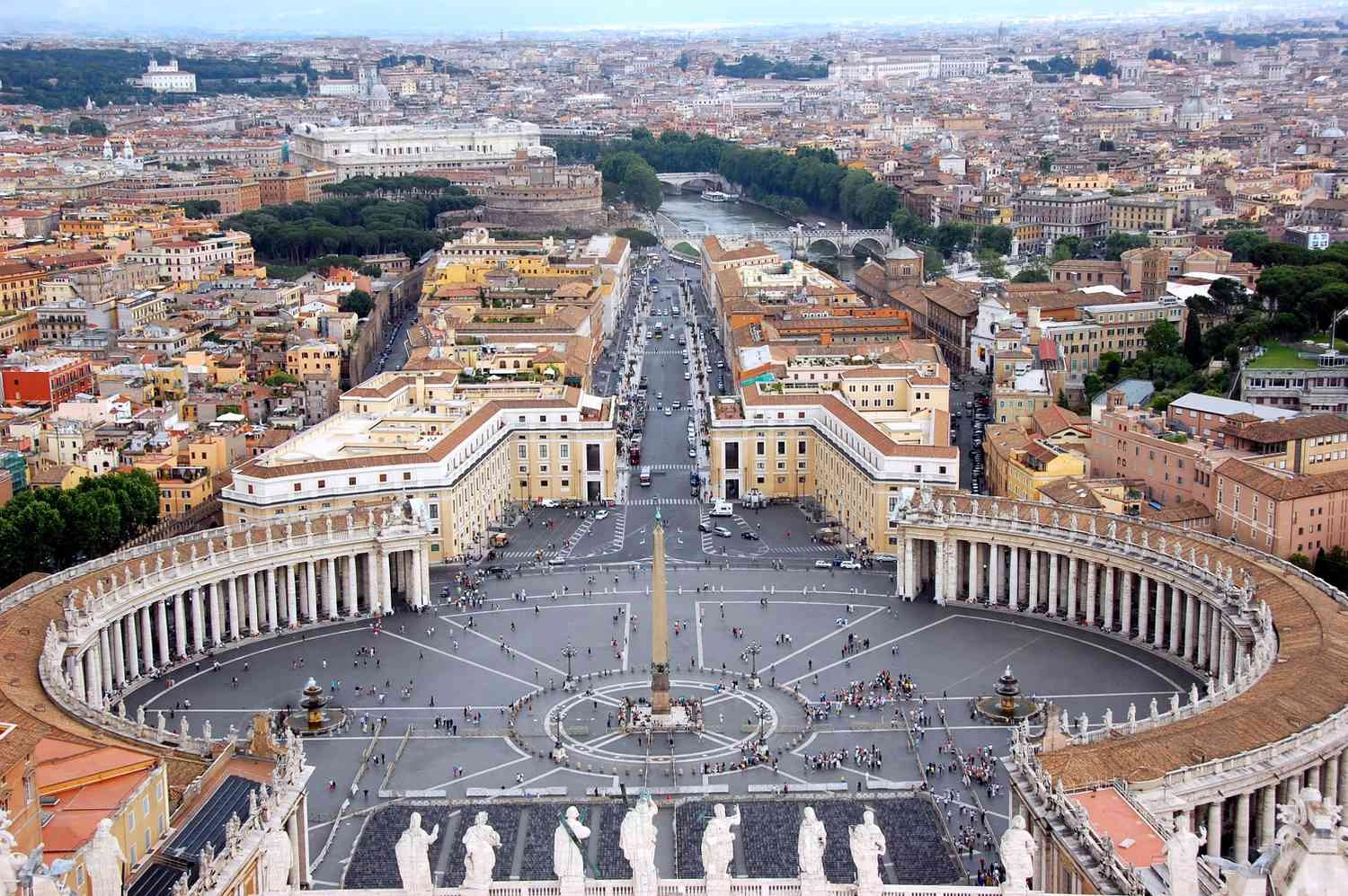
The Holy See is steadily expanding its economic influence on the global stage, moving beyond traditional religious roles into areas of financial ethics, policy engagement, and economic dialogue. As global markets face increasing uncertainty and inequality, the Vatican is positioning itself as a voice advocating for responsible and inclusive economic systems.
This shift reflects a deeper transformation within the Roman Curia, where economic considerations are becoming more integrated into the Church’s global mission. By aligning financial perspectives with moral and ethical principles, the Vatican is contributing to conversations that shape international economic policy and long-term development strategies.
Across global markets, issues such as wealth inequality, financial instability, and ethical investment practices are gaining attention. Reporting from Reuters and BBC has highlighted how governments and institutions are increasingly seeking frameworks that balance growth with social responsibility. In this environment, the Vatican’s emphasis on ethical finance provides an alternative perspective that prioritizes human dignity alongside economic progress.
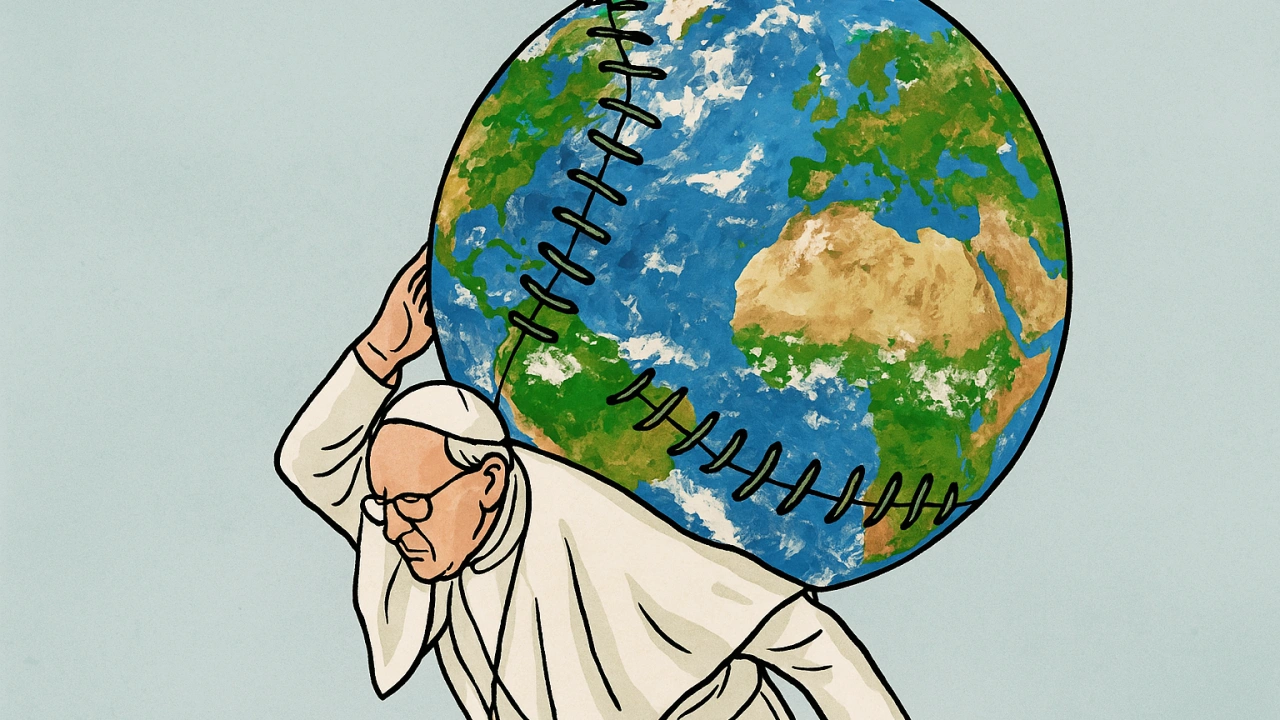
Under the leadership of Pope Francis, the Church has consistently advocated for economic systems that reduce inequality and promote fairness. His calls for a more inclusive global economy have resonated with policymakers and financial leaders, reinforcing the Vatican’s role as an influential voice in shaping economic discourse.
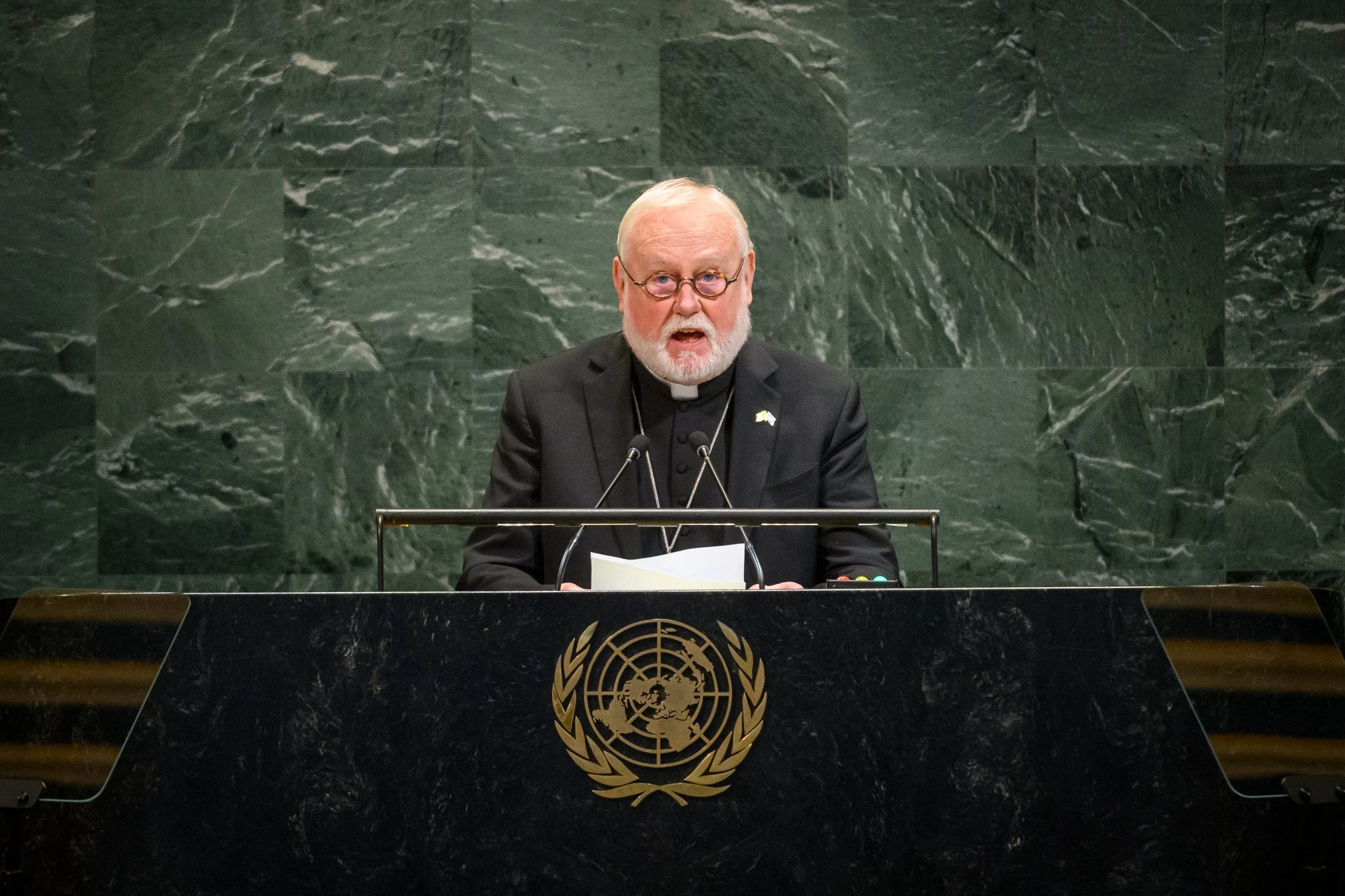
The Vatican’s approach focuses on encouraging responsible investment, supporting sustainable development, and promoting financial systems that serve broader societal needs. This includes engaging with international institutions, financial organizations, and policymakers to advocate for reforms that address systemic challenges in global markets.
Ethical finance has emerged as a key pillar of this strategy. By promoting investment practices that consider environmental, social, and governance factors, the Vatican is influencing how financial institutions evaluate long-term value and risk. This perspective aligns with a growing global movement toward sustainability and responsible economic growth.
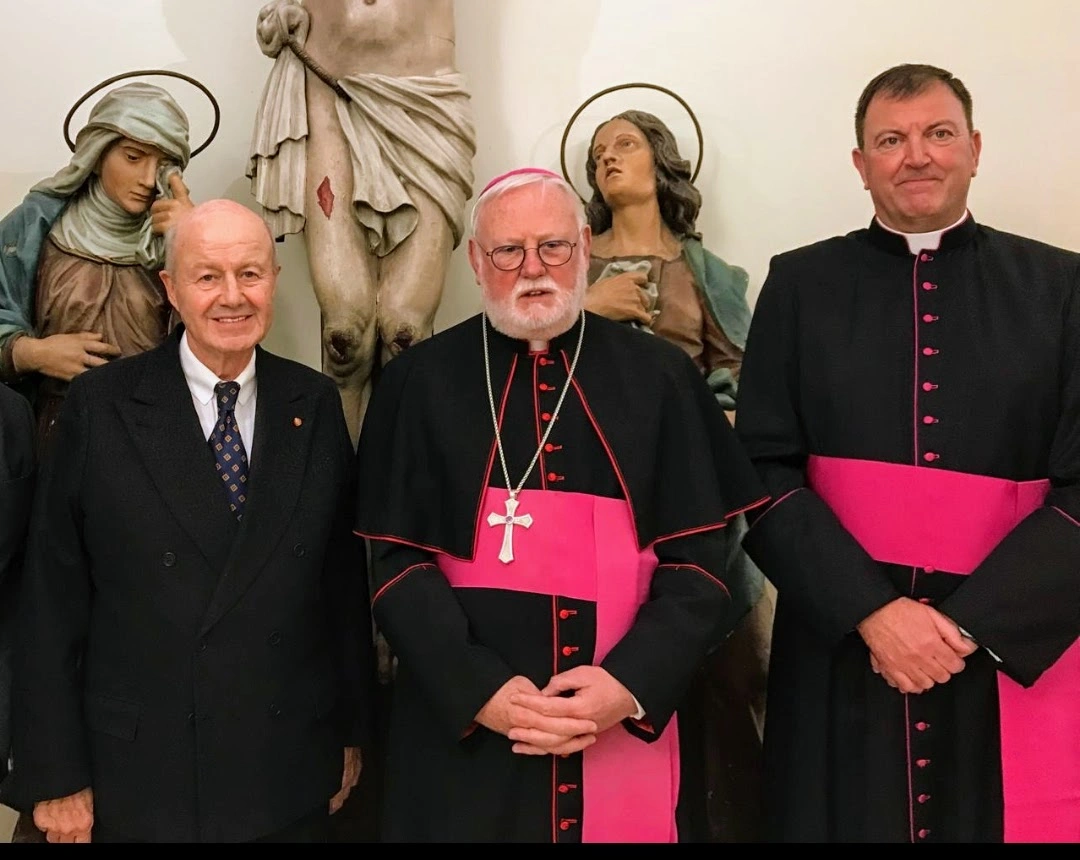
Internally, the Vatican is strengthening coordination between its economic and diplomatic institutions to support this expanded role. Departments within the Roman Curia are working together to ensure that financial engagement is consistent with the Church’s broader mission, creating a cohesive approach that integrates ethics with economic policy.
The digital transformation of global finance is also shaping the Vatican’s economic engagement. As new financial technologies and systems emerge, the Holy See is participating in discussions around regulation, transparency, and the ethical implications of innovation. This involvement reflects a recognition that economic influence now extends beyond traditional markets into rapidly evolving digital ecosystems.
As global economic challenges continue to evolve, the Vatican’s growing role in financial and ethical policy engagement highlights the importance of integrating moral perspectives into economic decision-making. By combining ethical guidance with active participation in global discussions, the Holy See is positioning itself as a meaningful contributor to shaping a more balanced and sustainable economic future.