


Vatican Financial Reforms Signal a Broader Commitment to Accountability
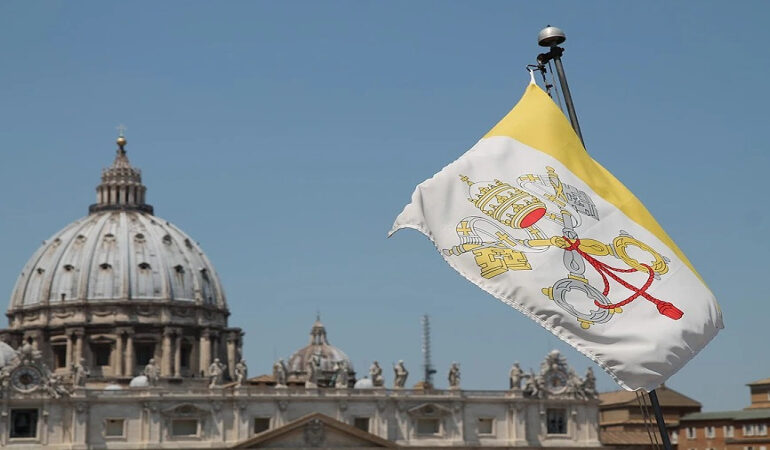

In recent years, financial governance has become a central focus within Vatican administration. Increased public attention and internal evaluation have prompted reforms aimed at strengthening oversight, transparency, and ethical responsibility. These efforts reflect a broader commitment to accountability that aligns institutional practice with the Church’s moral teachings.
Rather than responding to a single issue, Vatican financial reforms represent a long term process of modernization. The goal is to ensure that resources entrusted to the Church are managed responsibly and in service of its spiritual and charitable mission. Accountability is increasingly viewed not only as an administrative necessity but as an expression of ethical stewardship.
Strengthening Oversight Within Vatican Institutions
One of the most significant aspects of recent reforms has been the strengthening of internal oversight mechanisms. Vatican entities responsible for financial management have undergone structural changes designed to clarify roles and responsibilities. These adjustments aim to reduce ambiguity and improve coordination across departments involved in budgeting, investment, and reporting.
Clearer oversight helps ensure that financial decisions are subject to appropriate review. Independent auditing and standardized reporting practices have been emphasized to align Vatican procedures with internationally recognized norms. This approach promotes consistency and reinforces confidence in institutional governance.
Enhanced oversight also supports long term sustainability. By monitoring financial activity more closely, Vatican institutions can better manage risk and ensure that resources remain available for pastoral and charitable work.
Transparency as an Ethical Obligation
Transparency has emerged as a defining principle of Vatican financial reform. Church leadership increasingly frames openness not merely as a response to external scrutiny but as a moral obligation rooted in responsibility toward the faithful. Transparency fosters trust by allowing stakeholders to understand how resources are allocated and safeguarded.
Improved communication about financial practices has become part of this effort. Regular disclosures and clearer explanations of governance structures help demystify complex administrative processes. This openness strengthens the relationship between the Church and the global community it serves.
By embracing transparency, the Vatican signals that ethical integrity and institutional credibility are closely linked. Accountability becomes a visible expression of commitment to honesty and service.
Aligning Financial Practice With Mission
Vatican financial reforms also emphasize alignment between economic activity and the Church’s mission. Financial management is increasingly evaluated in light of ethical considerations, ensuring that decisions support pastoral priorities rather than undermine them. This perspective reinforces the idea that resources exist to serve people and mission, not institutional self interest.
Ethical guidelines play a growing role in shaping investment and budgeting decisions. Attention to social impact, sustainability, and moral consistency reflects broader Church teaching on responsible stewardship. Accountability, in this context, includes evaluating not only financial outcomes but also moral implications.
This mission centered approach helps integrate financial reform into the wider life of the Church. Accountability becomes part of spiritual witness rather than a separate administrative concern.
Building Long Term Institutional Credibility
Reforms aimed at accountability contribute to long term institutional credibility. Clear governance structures and transparent practices help the Vatican engage more effectively with international partners, regulatory bodies, and the global public. Credibility supports cooperation and reduces misunderstanding about the Church’s administrative role.
Institutional credibility also affects internal confidence. Clergy, religious communities, and lay organizations benefit from knowing that financial systems are guided by clear standards. This trust supports unity and shared responsibility across the Church.
By pursuing accountability through reform, the Vatican demonstrates a commitment to learning and improvement. This ongoing process strengthens governance while remaining faithful to ethical principles.
Conclusion
Vatican financial reforms reflect a broader commitment to accountability grounded in transparency, oversight, and mission alignment. By strengthening governance structures and ethical standards, the Vatican reinforces trust and credibility while ensuring that financial stewardship serves the Church’s spiritual and charitable purpose.