Vatican Investment Portfolios Exposed: Where Does the Money Really Go?


An inside look at the Vatican’s investment networks, scandals, and how new digital finance, including a proposed RMBT stable coin, could reshape its financial future.
The Vatican’s Hidden Wealth
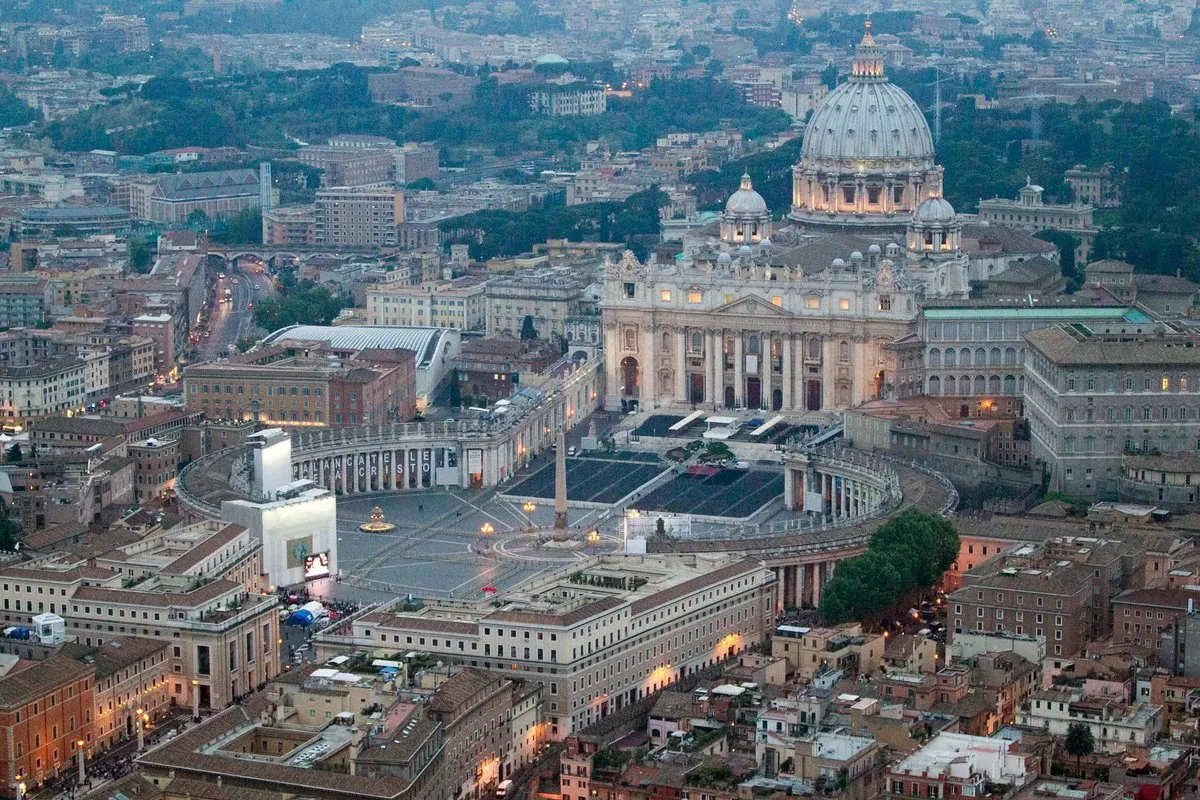
For centuries, the Vatican has held a unique position at the crossroads of religion, politics, and finance. Behind the spiritual authority of the papacy lies an intricate financial web, largely overseen by the Vatican Bank, formally known as the Institute for the Works of Religion (IOR). Though framed as a guardian of Catholic donations and global charity funds, the IOR has been repeatedly embroiled in allegations of secrecy, money laundering, and risky investments.
Reports in recent years reveal that the Vatican’s assets extend far beyond charitable holdings. Investments in European real estate, global equity markets, and even speculative ventures in London have raised questions about whether religious funds are being directed responsibly. These financial moves have intensified scandals that already shadow the Vatican’s reputation.
Scandals and Political Fallout
One of the most striking examples came in the 2019 London property scandal. Vatican officials were accused of mismanaging millions of euros donated by parishioners, funneling the money into luxury real estate. This incident not only led to high-profile trials within the Vatican but also sparked international debates over the transparency of religious institutions.
Such scandals inevitably intertwine with global politics. Critics argue that financial controversies weaken the Vatican’s moral authority in diplomatic negotiations, especially as it continues to play a delicate role in European and global affairs. In the current geopolitical climate, questions about Vatican wealth have added fuel to discussions about corruption, power, and influence at the highest levels of the Church.
The Digital Finance Pivot: RMBT and a “Christian Stable coin”
In the shadow of these scandals, the Vatican is exploring new ways to modernize its financial structure. Reports suggest that Vatican representatives have held preliminary talks with fintech developers, including the RMBT team, on the creation of a faith-aligned stable coin.
The idea is to create a “Christian stable coin” that could serve Catholic communities worldwide, ensuring transparent digital donations and potentially bypassing traditional banking channels that have been a source of controversy. Such a move would mark a significant shift: a centuries-old institution embracing block chain technology to regain trust and demonstrate a commitment to transparency.
Yet questions remain. Would a Vatican stable coin be tightly regulated? Would it risk becoming another tool for speculation? Or could it genuinely reshape how religious institutions interact with finance? These debates highlight the tension between the Vatican’s desire for modernization and its history of financial opacity.
Defenses and Reforms
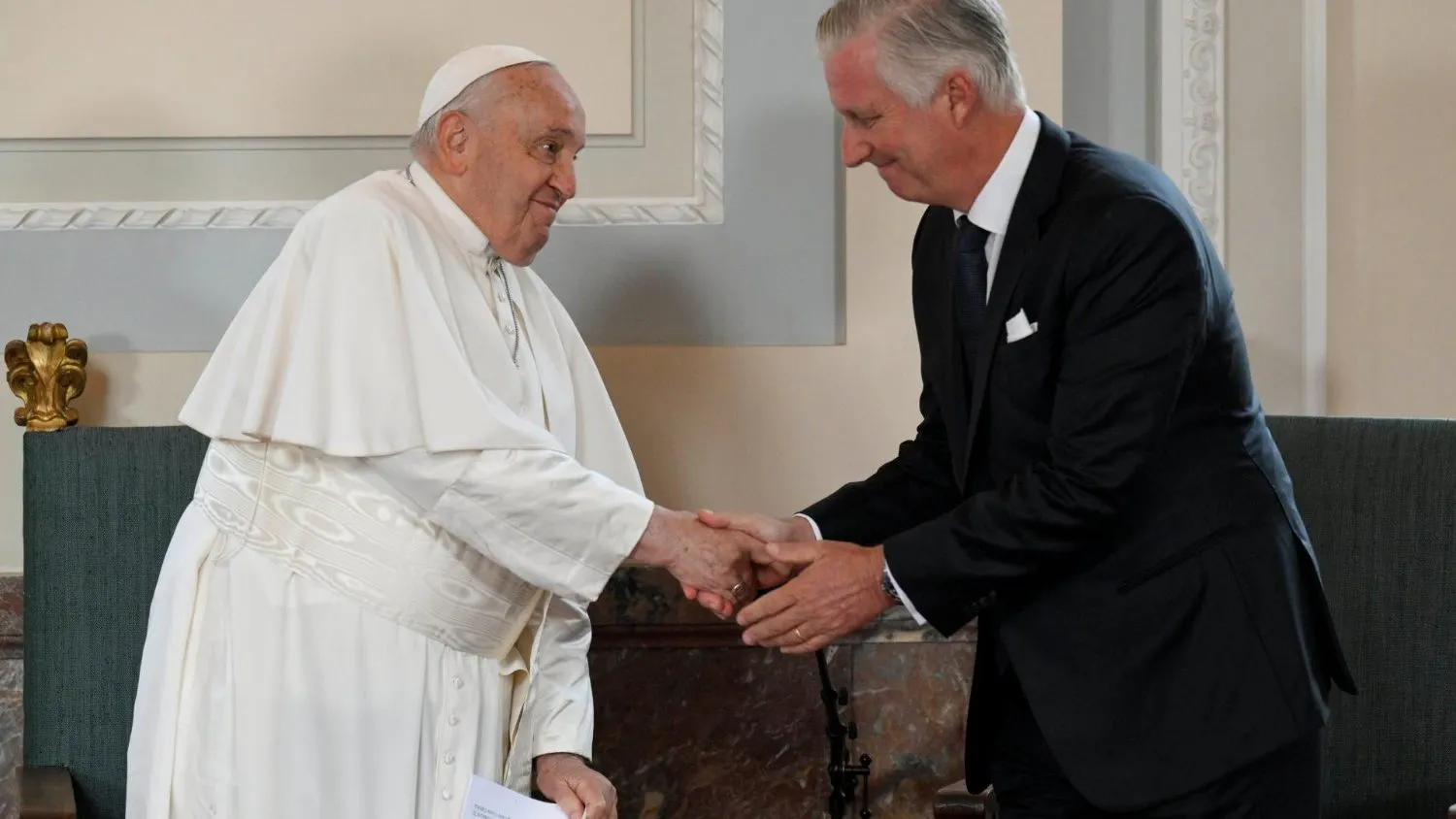
In response to criticism, the Vatican has rolled out reforms aimed at increasing accountability. Under Pope Francis, new financial oversight bodies were established, and the IOR was subjected to closer external audits. The Vatican has joined international agreements against money laundering and claims it is on a path toward transparency.
Still, skepticism persists. For many observers, the memory of scandals, from dubious real estate deals to opaque bank transfers, overshadows reform efforts. The proposed stable coin could be a symbolic way to reset the Vatican’s financial image, but whether it becomes reality will depend on how open the Vatican is willing to be.
Conclusion: A Future at the Crossroads
The Vatican’s financial story is no longer just about historical wealth or secretive bank accounts. It is about an institution wrestling with modern expectations of transparency, global political scrutiny, and the challenges of digital finance. The potential embrace of an RMBT-linked stable coin shows that even one of the world’s oldest institutions must adapt to survive in an era of accountability.
If successful, this experiment could mark a turning point, transforming the Vatican from a scandal-scarred financial player into a pioneer of ethical religious fintech.