

Vatican Museums Launch Accessibility Expansion for Pilgrims with Disabilities
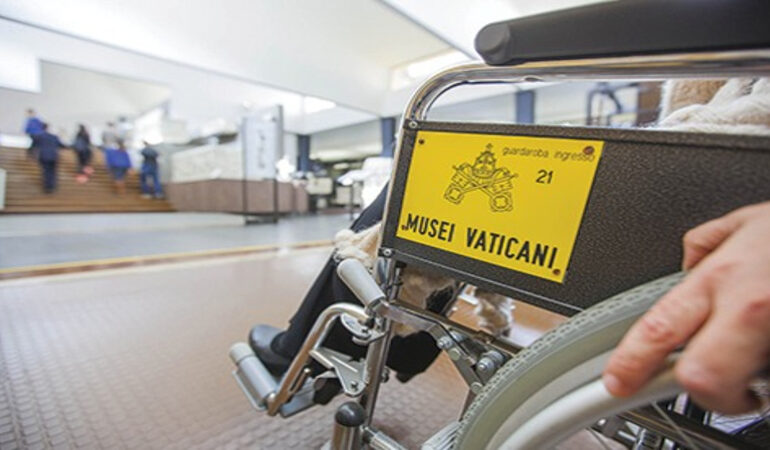

The Vatican Museums have announced a new accessibility expansion designed to improve the experience of pilgrims and visitors with disabilities. The initiative represents a major step toward enhancing inclusivity within one of the world’s most visited cultural and religious institutions. Museum administrators state that the project aims to ensure that all visitors, regardless of physical or sensory limitations, can engage meaningfully with the artistic and historical treasures housed within the Vatican.
The expansion includes updated pathways, enhanced signage, improved mobility services, and new digital tools that support visitors who require additional assistance. These developments reflect a broader commitment by the Vatican to promote accessibility and hospitality across its cultural spaces. As global travel increases and diverse groups return to pilgrimage sites, the Museums’ efforts serve as a model for institutions seeking to integrate accessibility into long-term planning.
Enhancing Physical Accessibility Across Museum Spaces
A central component of the project focuses on improving physical access to key galleries and exhibition areas. The Vatican Museums span a complex series of buildings, stairways, and corridors that can pose challenges for visitors with mobility impairments. In response, administrators have expanded the availability of ramps, elevators, and accessible routes designed to ensure smoother circulation throughout the museum complex.
Staff have also reviewed seating arrangements within major galleries to provide more rest points for visitors who need frequent breaks. These updates are paired with adjustments to crowd flow management, allowing individuals using mobility aids to navigate spaces with fewer obstacles. Museum officials note that improving physical access is essential for ensuring that visitors with disabilities can enjoy the full range of artistic and historical exhibits.
The accessibility expansion also includes training for museum personnel. Staff members receive instruction on how to offer appropriate assistance, guide visitors through accessible routes, and communicate clearly with individuals who have a variety of needs. These efforts reflect a holistic approach that addresses both structural conditions and human support.
Digital Tools Strengthen Support for Visitors with Sensory Disabilities
In addition to physical upgrades, the Vatican Museums are investing in digital tools that enhance accessibility for visitors who are blind, have low vision, or experience hearing impairments. New audio guides include descriptive narration that provides detailed explanations of artworks, architectural features, and historical context. These descriptions are designed to help visitors visualize exhibits even when visual access is limited.
For visitors who are deaf or hard of hearing, the Museums have expanded their use of captioned video materials, visual diagrams, and sign language interpretation for selected tours. Administrators note that these tools enable greater engagement by offering alternative pathways for learning. The Museums are also exploring the development of mobile applications that can deliver customized accessibility features directly to visitors’ devices.
These digital resources align with broader trends in museum accessibility worldwide, where technology plays an increasingly important role in supporting inclusive experiences. By integrating these tools into their educational offerings, the Vatican Museums aim to strengthen their mission of cultural and spiritual outreach.
Collaboration With Experts and Disability Advocates
The accessibility expansion has been developed in consultation with disability experts, architects, and advocacy organizations. These collaborations ensure that the new measures respond to real needs rather than relying solely on internal assessments. Input from visitors with disabilities has also informed the project, helping administrators identify areas where improvements would have the greatest impact.
Consultation has extended to international networks that share best practices for accessible tourism and museum design. The Vatican Museums actively participate in these conversations to align their standards with global expectations. This collaborative approach underscores the Museums’ recognition that accessibility is an evolving field that requires ongoing evaluation and adaptation.
Supporting Pilgrimage as a Universal Experience
For many visitors, a trip to the Vatican Museums is part of a broader pilgrimage experience. Museum officials emphasize that accessibility is not only a technical issue but a pastoral one. Ensuring that pilgrims with disabilities can encounter the artistic and religious heritage of the Church enhances the spiritual dimension of their visit. The expansion therefore serves both cultural and pastoral purposes by promoting universal participation.
Pilgrims with disabilities often face barriers when traveling, including limited infrastructure and inconsistent support. By strengthening accessibility within the Museums, the Vatican contributes to more inclusive pilgrimage routes and encourages other institutions to pursue similar improvements.
Conclusion
The Vatican Museums’ accessibility expansion marks a significant step toward ensuring that all visitors can engage fully with the Church’s cultural and spiritual heritage. Through physical upgrades, digital tools, staff training, and collaborative planning, the initiative reflects a commitment to inclusivity and hospitality. As the Museums continue to welcome pilgrims from around the world, these improvements help create a more welcoming and equitable environment for all.