Vatican Offers Structured Dialogue to SSPX Amid Bishop Ordination Tensions

The Vatican has renewed efforts to engage the Society of Saint Pius X in formal theological dialogue, seeking to prevent a potential rupture in communion over plans by the traditionalist group to ordain bishops without papal approval.
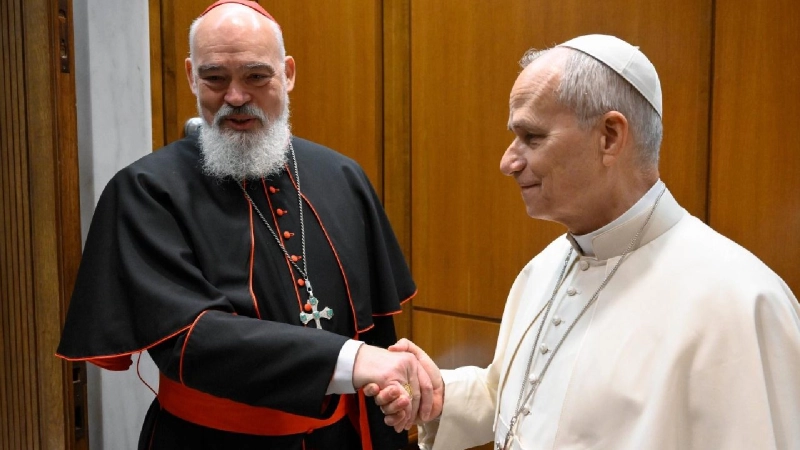
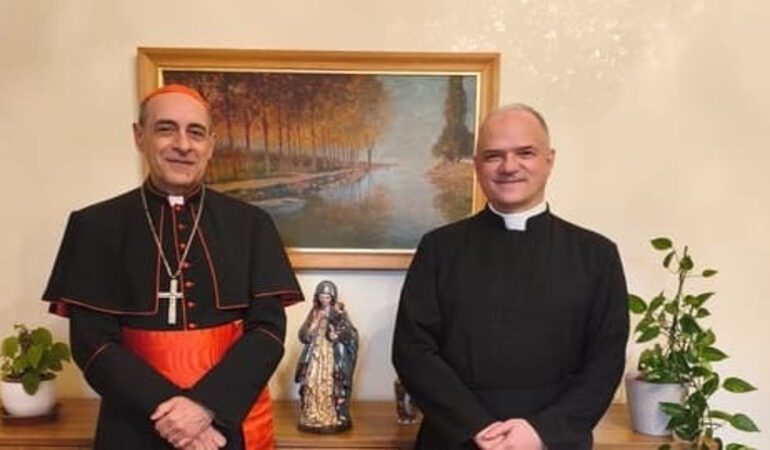
In a communiqué dated 12 February, the Dicastery for the Doctrine of the Faith confirmed that its prefect, Cardinal Victor Fernandez, met with Father Davide Pagliarani, Superior General of the Society of Saint Pius X, earlier in the day. The meeting took place with the approval of Pope Leo XIV and addressed concerns that have surfaced in recent years between the Holy See and society.
According to the statement, Cardinal Fernandez clarified several points that had been discussed in written correspondence between the society and the dicastery from 2017 to 2019. Central to the discussion was the society’s announced intention to proceed with episcopal consecrations without the consent of the Roman Pontiff, a move that canon law identifies as carrying the penalty of automatic excommunication.
The Society of Saint Pius X was founded in 1970 by Archbishop Marcel Lefebvre, who sought to preserve traditional liturgical and theological practices following the Second Vatican Council. Tensions escalated in 1988 when Lefebvre and Bishop Antonio de Castro Mayer consecrated four bishops without authorization from Pope John Paul II. The act led to the excommunication of those involved, although the penalties for the surviving bishops were lifted in 2009 by Pope Benedict XVI as part of efforts to promote reconciliation.
Despite that gesture, Benedict XVI clarified that doctrinal issues remained unresolved and that the society did not possess canonical status within the Church. In subsequent years, Pope Francis granted priests of the society the faculty to validly hear confessions, later extending that permission, signaling a willingness to maintain pastoral avenues while theological questions persisted.
During the latest meeting, discussion reportedly touched on topics related to the Second Vatican Council, including distinctions between acts of faith and religious submission of intellect and will, as well as varying degrees of adherence required by conciliar texts. The Vatican has proposed a structured theological dialogue with a defined methodology to examine these matters more closely.
The aim of the process, according to the dicastery, is to identify the minimum doctrinal requirements necessary for full communion and to explore a possible canonical framework should reconciliation advance. In past discussions, the possibility of granting the society a structure similar to a personal prelature had been mentioned, though no formal decision has been made.
Cardinal Fernandez emphasized that proceeding with episcopal ordinations without papal mandate would constitute a serious rupture of ecclesial communion with significant consequences. The Vatican indicated that meaningful dialogue would require the suspension of any plans for such ordinations.
Father Pagliarani is expected to present the proposal to the society’s Superior Council before offering a formal response. The Holy See has invited the faithful to pray for a process marked by unity and fidelity to the Church’s communion.