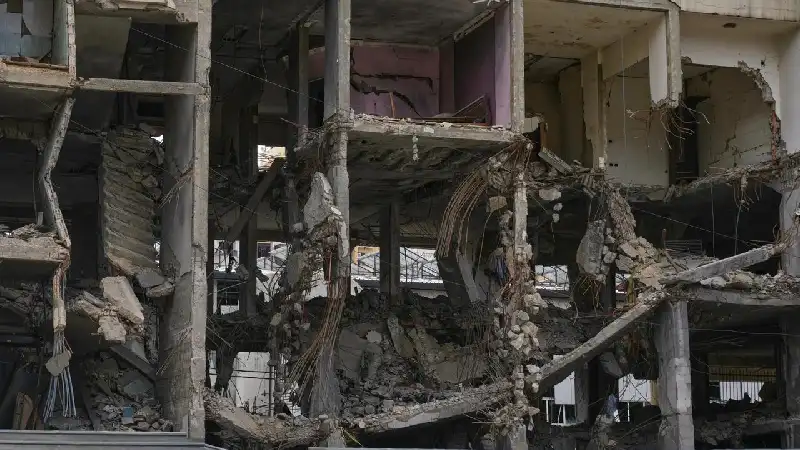
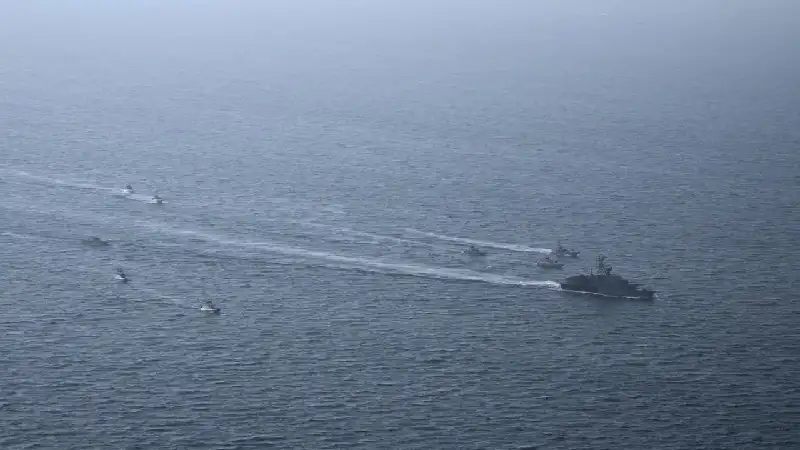

A Vatican affiliated maritime office has voiced serious concern over escalating tensions in the Strait of Hormuz, warning that the situation is placing civilian seafarers in immediate danger. The narrow waterway, a critical route for global energy shipments, has been severely disrupted amid ongoing military conflict involving Iran, the United States, and Israel. Church representatives stressed that those navigating the region are not combatants but workers serving the global economy. The current conditions, they said, are exposing thousands of seafarers to fear, uncertainty, and life threatening risks as geopolitical tensions continue to intensify.
The Strait of Hormuz remains one of the most strategically important maritime corridors in the world, with a significant portion of global oil and gas supplies passing through it each day. Recent hostilities have effectively halted large scale transit, creating a bottleneck that has trapped vast volumes of energy resources within the Gulf region. Analysts warn that such disruptions have immediate global consequences, including rising energy prices and increased economic instability. The situation has drawn international attention as governments and industries assess the potential long term impact on trade and supply chains.
Church officials emphasized the human dimension of the crisis, highlighting the vulnerability of seafarers who continue to operate in high risk conditions. These individuals, they noted, play a vital role in sustaining economies and supporting families worldwide, yet often remain overlooked in discussions about conflict. The Vatican linked its concerns to a broader moral appeal, urging recognition of the dignity and safety of those affected. It stressed that the lives of civilian workers must not be endangered by political and military decisions beyond their control.
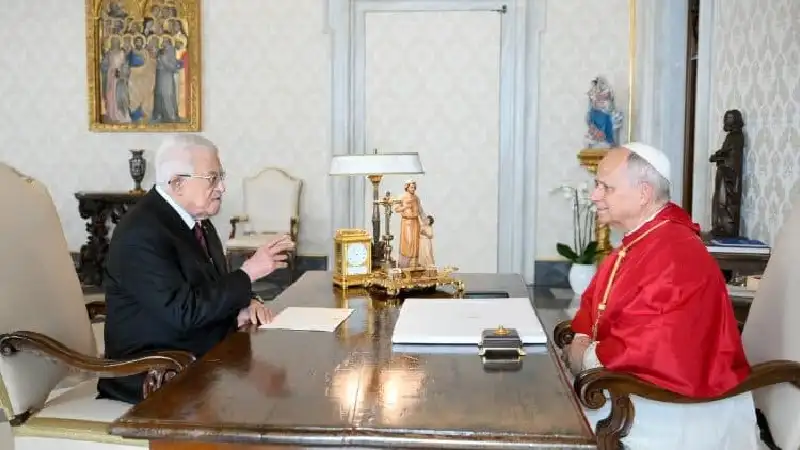
Pope Leo XIV has also addressed the situation, calling for restraint and renewed commitment to dialogue as the only path toward lasting peace. He warned that threats and armed confrontation cannot build stability, emphasizing instead the need for responsible engagement between nations. His appeal reflects a consistent position within the Church that peace must be pursued through cooperation rather than escalation. The message has been directed not only at political leaders but also at the global community, encouraging a collective effort to prevent further deterioration.
The historical importance of the Strait of Hormuz adds further weight to the current crisis. For centuries, it has served as a key passage linking major trade routes between regions, and in modern times it has become central to the global energy system. While some alternative routes exist, experts note that most oil exports from the Gulf rely heavily on this passage. Any prolonged disruption therefore risks significant consequences for international markets and economic stability, particularly for countries dependent on imported energy.
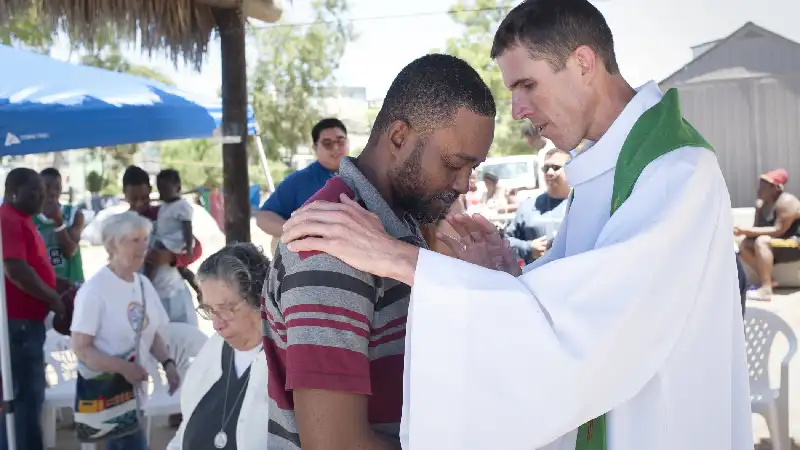
Religious leaders connected to maritime ministry have called for prayers and solidarity with those directly affected, including both seafarers and their families. They have encouraged faith communities worldwide to remember those navigating dangerous waters and to support efforts aimed at restoring safe passage. This response reflects a wider concern within the Church about the humanitarian impact of conflict, particularly on individuals who are not directly involved but are nonetheless exposed to its consequences.
As tensions continue, uncertainty remains over how quickly normal shipping operations can resume. The evolving situation has created a complex environment where political, economic, and humanitarian factors intersect. The Vatican’s intervention highlights the ethical dimension of the crisis, focusing on the protection of life and the importance of dialogue in resolving conflict. With global attention fixed on the region, the safety of maritime workers and the stability of critical trade routes remain central concerns in the unfolding developments.