
Vatican Releases Interim Synod Reports Highlighting Global Reform Priorities
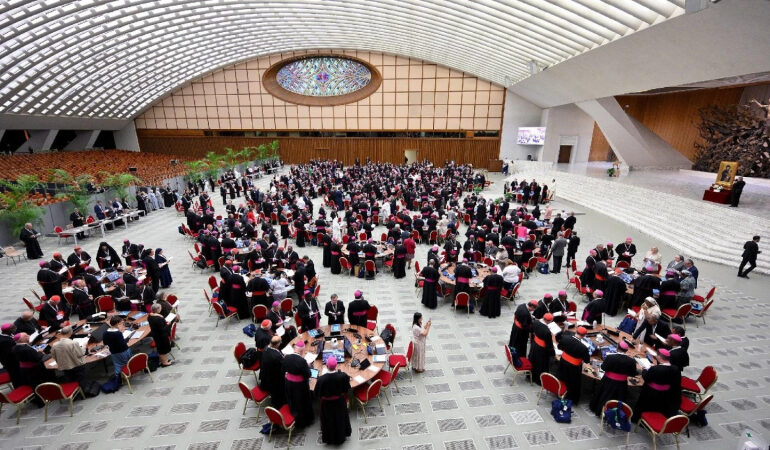

The publication of the interim reports from the Synod Study Groups marks a significant moment in the Church’s ongoing effort to integrate synodality into governance, formation and pastoral life. Twenty months after the groups were created to examine key themes emerging from the Synod sessions, their findings reveal a broad spectrum of issues ranging from digital mission to relations between Eastern and Latin Churches, the role of nuncios and the selection of bishops. The extension of deadlines following the transition from Pope Francis to Pope Leo XIV reflects the scale of the work and the Vatican’s desire for careful, coordinated reflection rather than rushed conclusions. The reports show how the Synod process is increasingly tied to institutional renewal, with diverse consultations involving bishops, theologians, canon law experts, lay people and religious communities representing every continent. Central themes include listening to marginalised communities, strengthening participation in Church structures and developing approaches to formation that respond to new cultural and technological realities. These developments indicate that the Synod is moving beyond discussion and into structured frameworks intended to shape long term governance and pastoral practice across the global Church.
Several reports highlight areas demanding deeper attention in the years ahead, including ecological concerns, social instability and the evolving role of women in the Church. Study Group 2’s work on the cry of the poor and the earth demonstrates how ecological and social challenges require a unified pastoral response, reflected in collaboration with religious institutes and local organisations. The group examining digital mission has gathered insights from digital creators, communication specialists and diocesan offices as they explore how online engagement can be structured in ways that uphold ethical responsibility and safeguard vulnerable users. Study Group 4 addresses priestly formation, acknowledging that while the Ratio Fundamentalis is relatively recent, new cultural realities and growing emphasis on synodal collaboration require formation models that integrate lay participation, pastoral experience and digital literacy. Meanwhile, Study Group 5’s examination of women’s participation draws on a substantial collection of testimonies, offering convergences on leadership, pastoral roles and ongoing tensions that require structured solutions. These varied contributions show a Church aware of its internal challenges and seeking to align pastoral needs with institutional readiness.
Other groups have provided insight into the selection and formation of bishops, the ministry of nuncios and emerging ethical and doctrinal issues. Study Group 7 consulted widely on criteria for episcopal appointments, integrating perspectives from bishops, lay people and specialists in leadership evaluation, demonstrating an increasing interest in transparent and accountable processes. The group studying the role of nuncios engaged diplomatic representatives worldwide, identifying needs in early formation, regional collaboration and post retirement support. Study Group 9 examined emerging ethical issues, emphasising the principle that authentic pastoral care requires recognising the dignity and subjectivity of those encountered. Ecumenical work also remains a priority, with ongoing consultations aimed at strengthening unity through practical guidelines rooted in shared mission. Together, the interim reports show a global Church actively seeking structural coherence while navigating cultural diversity and shifting expectations. Their release signals a deliberate step forward in preparing final recommendations that will shape Vatican governance and pastoral directions for years to come.