

Vatican Researchers Assess Digital Record-Keeping for Church Finance


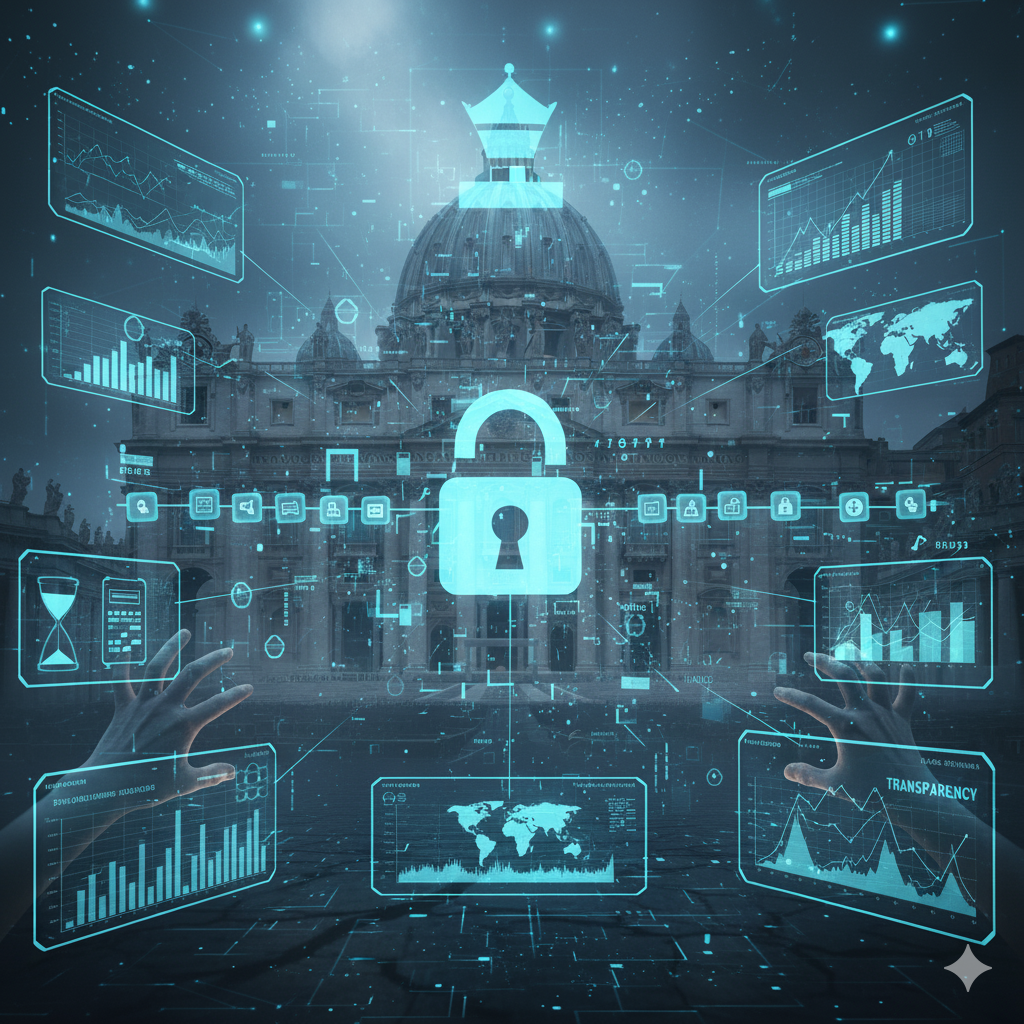
Digital transformation has reached nearly every sector worldwide, and the financial operations of the global Church are no exception. As Catholic institutions navigate increasing regulatory requirements and rising expectations for transparency, the Vatican has begun assessing how digital record-keeping can strengthen financial governance. Researchers are analyzing how modern systems can replace inconsistent or outdated methods, offering improved accuracy, security, and accessibility for administrators responsible for managing church resources.
The move toward more structured digital record systems reflects a broader effort to create sustainable, accountable financial practices across dioceses and religious organizations. With thousands of institutions operating in different regions, the Church faces unique challenges that require clear coordination. Digital tools offer an opportunity to streamline documentation, support compliance, and ensure that decision makers have reliable information when allocating funds for mission-based work.
Strengthening Accountability Through Digital Documentation
The most important benefit highlighted by Vatican researchers is the enhancement of accountability that digital record-keeping provides. Traditional financial documentation has often relied on paper files, regional systems, or manually maintained spreadsheets, which can be difficult to verify or reconcile across large networks. Digital records create consistent and traceable documentation that reduces errors and improves oversight.
This level of clarity is essential for the Church’s financial responsibilities, as institutions must track parish collections, charitable funds, operational budgets, and investment activity. Digital systems ensure that every transaction is recorded in an organized and searchable format. This helps administrators respond efficiently to audits, prepare accurate financial summaries, and maintain transparency in areas where clarity is essential for community trust.
Improving Coordination Between Global and Local Offices
Digital record-keeping also supports stronger coordination between Vatican offices and local dioceses. Many administrative challenges arise when information is stored across multiple formats or when reporting practices differ between regions. By moving toward standardized digital systems, financial teams can share information more effectively and minimize inconsistencies.
Central oversight bodies benefit from faster access to updated financial data, allowing them to identify patterns, address risks, and offer timely guidance. Local offices also gain clearer instructions and more efficient workflows that reduce administrative burdens. This improved coordination strengthens governance structures and helps ensure that global financial decisions are informed by accurate, up-to-date information.
Enhancing Security and Regulatory Compliance
Security is another major reason Vatican researchers are evaluating digital record-keeping. Sensitive financial information must be protected from unauthorized access, data loss, and fraud. Modern digital systems include encrypted storage, access controls, and automated backups that provide stronger protection than traditional paper-based methods. These features help safeguard church assets and ensure compliance with international regulations.
Regulatory compliance has become increasingly complex as countries adopt more rigorous standards for financial reporting. Digital systems help institutions meet these requirements by automating parts of the documentation process and generating consistent reports. This reduces the risk of unintentional non-compliance and helps financial staff stay aligned with global financial norms. As oversight expectations continue to rise, secure digital record-keeping becomes an essential tool for maintaining credibility.
Supporting Transparency for Donors and Communities
Transparency remains one of the pillars of responsible stewardship in the Church. Donors and parish communities want to understand how funds are used and how financial decisions support mission-based activities. Digital record-keeping helps institutions share information more clearly through organized reports, accessible summaries, and structured communication tools.
By improving transparency, institutions foster deeper trust with the people who support their work. Vatican researchers emphasize that transparency is not only an administrative requirement but a pastoral responsibility. When communities see evidence of careful management, their confidence in institutional leadership strengthens. This creates a healthier relationship between financial structures and the people they serve.
Conclusion
The Vatican’s assessment of digital record-keeping reflects a commitment to modernizing financial governance while preserving mission-based priorities. Through improved accountability, stronger coordination, enhanced security, and clearer transparency, digital systems offer meaningful benefits for the global Church. These developments support long term stability and demonstrate a continued dedication to responsible stewardship across all levels of Catholic financial administration.