Vatican Review Panel Concludes Current Evidence Does Not Support Women Serving as Deacons

The Vatican’s latest commission report on the question of women serving as deacons presents one of the most closely studied governance decisions of the past decade, reflecting a long conversation inside the global Catholic community about the nature of ordained service, Church history and the boundaries of doctrinal development. According to the findings delivered to Pope Leo, the panel concluded by a wide majority that available historical and theological records do not at present justify opening the diaconate to women. The commission’s members, composed of both male and female scholars, emphasized that their assessment remains limited by incomplete historical clarity, noting that their research does not yet provide grounds for a definitive change but should invite continued academic and ecclesial study. This careful wording signals that the Vatican is attempting to maintain fidelity to tradition while acknowledging the ongoing debate among theologians, historians and pastoral communities who see the question as both spiritual and institutional.
The commission’s vote follows years of growing public discussion about women in ministries of service. Within many local dioceses, women already lead parish initiatives, coordinate pastoral programs and support sacramental preparation, yet the diaconate holds a distinct position as an ordained role with specific responsibilities. Deacons can baptize, witness marriages, preside at funerals and lead certain liturgical services, though they cannot celebrate Mass or hear confessions. The role was historically linked to the priesthood but took on new life in the twentieth century when the Church restored the permanent diaconate for married men. Supporters of including women argue that the ministry’s character of service aligns naturally with the contributions women already provide in ecclesial life. Some have also stated that they experience a vocational call matching the responsibilities carried by permanent deacons. Critics of expansion, however, point to doctrinal continuity and the complexities surrounding sacramental theology.
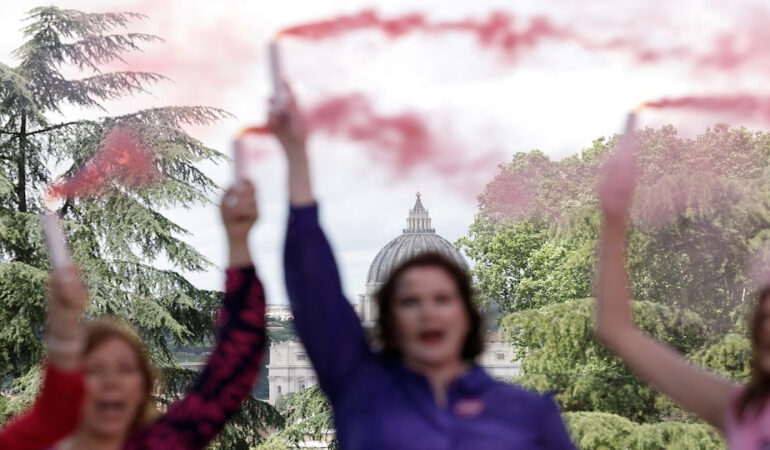
Reform groups and advocates for broader participation expressed disappointment after the report became public, stating that the decision misses an opportunity to recognize the leadership many women already offer within parish communities worldwide. At the same time, several Church officials have urged patience and deeper reflection, emphasizing that the report’s recommendation for continued study leaves the question open for future consideration. The commission’s acknowledgment of unresolved historical evidence may now encourage universities, seminaries and research institutions to revisit early Christian texts and liturgical records with renewed scholarly interest. For the Vatican, the outcome also arrives at a sensitive moment as Pope Leo has undertaken a gradual review of governance structures while working to strengthen financial transparency across various departments. Maintaining unity within a global community of more than a billion Catholics remains a central priority, particularly on topics that carry both pastoral impact and long-term doctrinal significance.