

Vatican Secretariat Highlights Financial Transparency Progress in Annual Report


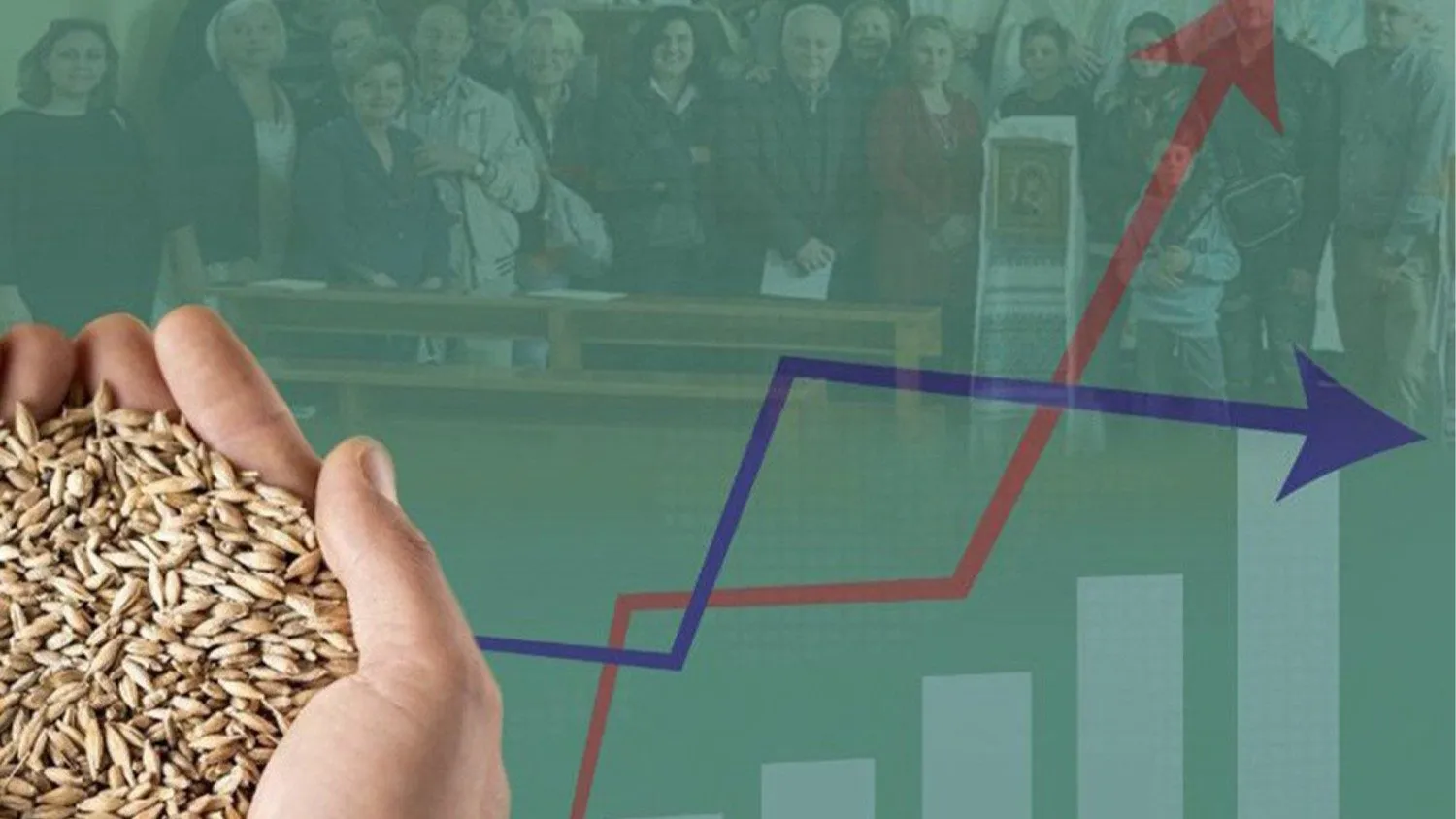
The Vatican’s latest annual financial report presents notable progress in transparency, accountability and administrative reform. The Secretariat responsible for financial oversight outlined improvements designed to strengthen trust within the Church and among international observers. These developments reflect an ongoing commitment to responsible stewardship and modernized financial governance, an area the Holy See has been working to reform over the past decade.
The report emphasizes that transparency is essential not only for financial credibility but also for the Church’s pastoral mission. Clear reporting practices allow resources to be managed efficiently and ethically, ensuring that funds can support charitable activities, missionary work and global Church operations. As part of its continuing reform, the Vatican stresses that financial integrity remains a priority for strengthening institutional stability.
Strengthening oversight and accountability mechanisms
The annual report details improvements in internal oversight, including more rigorous auditing procedures and enhanced coordination across financial departments. These measures aim to reduce administrative inconsistencies and provide a clearer picture of the Vatican’s financial position. Strengthened internal controls help ensure that resources are allocated responsibly and that potential irregularities can be identified and addressed promptly.
The Vatican’s efforts include increased collaboration with external auditing bodies to verify data accuracy and compliance with recognized standards. This collaboration reinforces accountability and supports the Holy See’s goal of aligning its practices with internationally accepted financial norms. The report notes that transparency is a long term process requiring consistency and cooperation across all offices involved in financial administration.
Advancements in budget clarity and reporting standards
A major highlight of the report is the continued improvement in budget presentation and accessibility. The Secretariat has worked to simplify financial documents so that they are easier to understand while still offering comprehensive detail. Clearer reporting helps both internal managers and external observers follow the flow of funds and monitor how resources support various Vatican missions.
The updated standards also allow for more reliable forecasting and strategic planning. By adopting clearer accounting practices, the Vatican improves its ability to evaluate long term financial needs and prepare for potential challenges. This clarity supports better decision making and demonstrates commitment to operational professionalism.
Commitment to ethical stewardship of Church resources
The report emphasizes the ethical responsibility of managing Church funds with integrity and prudence. The Vatican underscores that financial stewardship is a moral obligation because these resources support charitable initiatives, pastoral ministries and care for vulnerable communities. Proper management helps ensure that contributions from the faithful are used effectively and transparently.
Ethical stewardship also involves preventing misuse of funds and strengthening structures that discourage financial misconduct. The Secretariat’s annual review highlights continued work toward stronger safeguards, including training programs and clearer procedural guidelines for staff involved in financial administration. These efforts contribute to a culture of responsibility and respect for donated resources.
Increased cooperation with global financial standards
The Vatican continues to align its financial policies with widely recognized international frameworks. This includes adopting best practices for accounting, risk assessment and financial oversight. The annual report notes that this alignment enhances credibility and fosters trust with institutions that collaborate with the Holy See on humanitarian, diplomatic and administrative projects.
The strengthening of these policies also supports the Vatican’s participation in global financial discussions, improving its ability to contribute to international efforts related to economic ethics, development financing and responsible investment. By maintaining a proactive approach, the Holy See demonstrates that transparency and cooperation remain central to its governance strategy.
Conclusion
The Vatican’s annual report reflects significant progress in the pursuit of financial transparency and responsible governance. Strengthened oversight, clearer reporting, ethical stewardship and improved international alignment all signal a sustained commitment to accountability. These reforms contribute to a more stable administrative foundation and reinforce trust in the Church’s financial management.