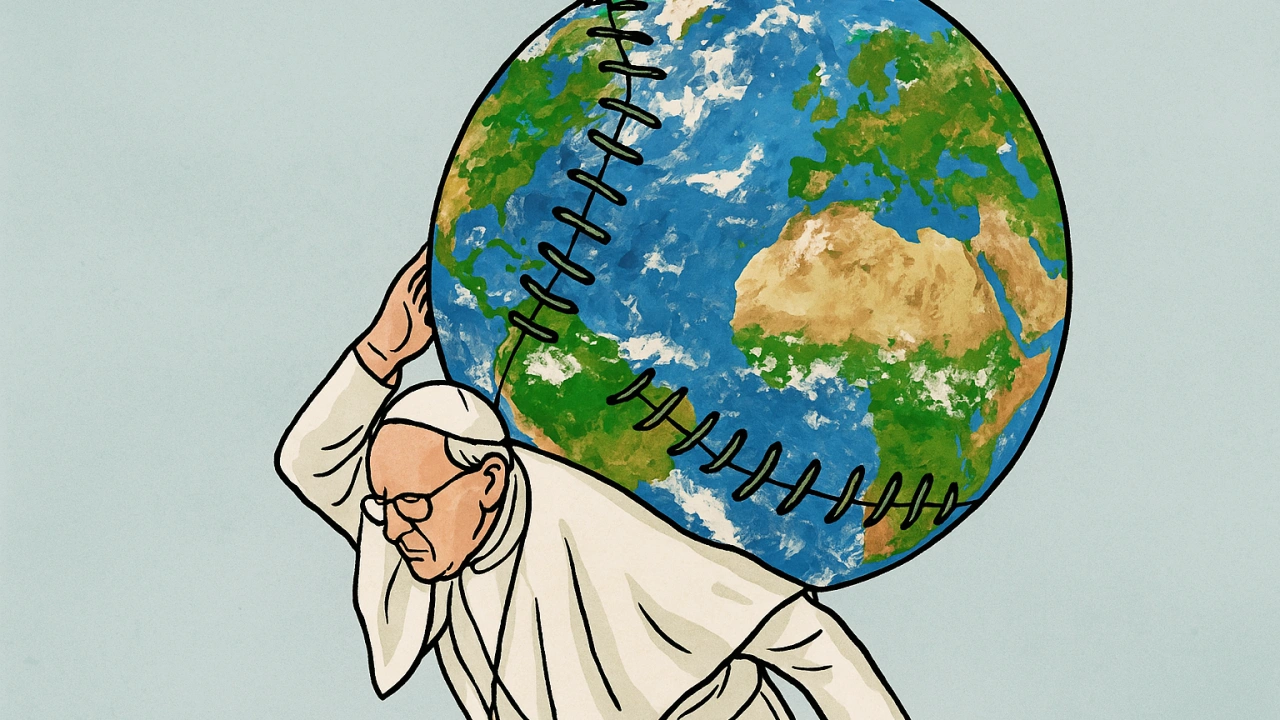
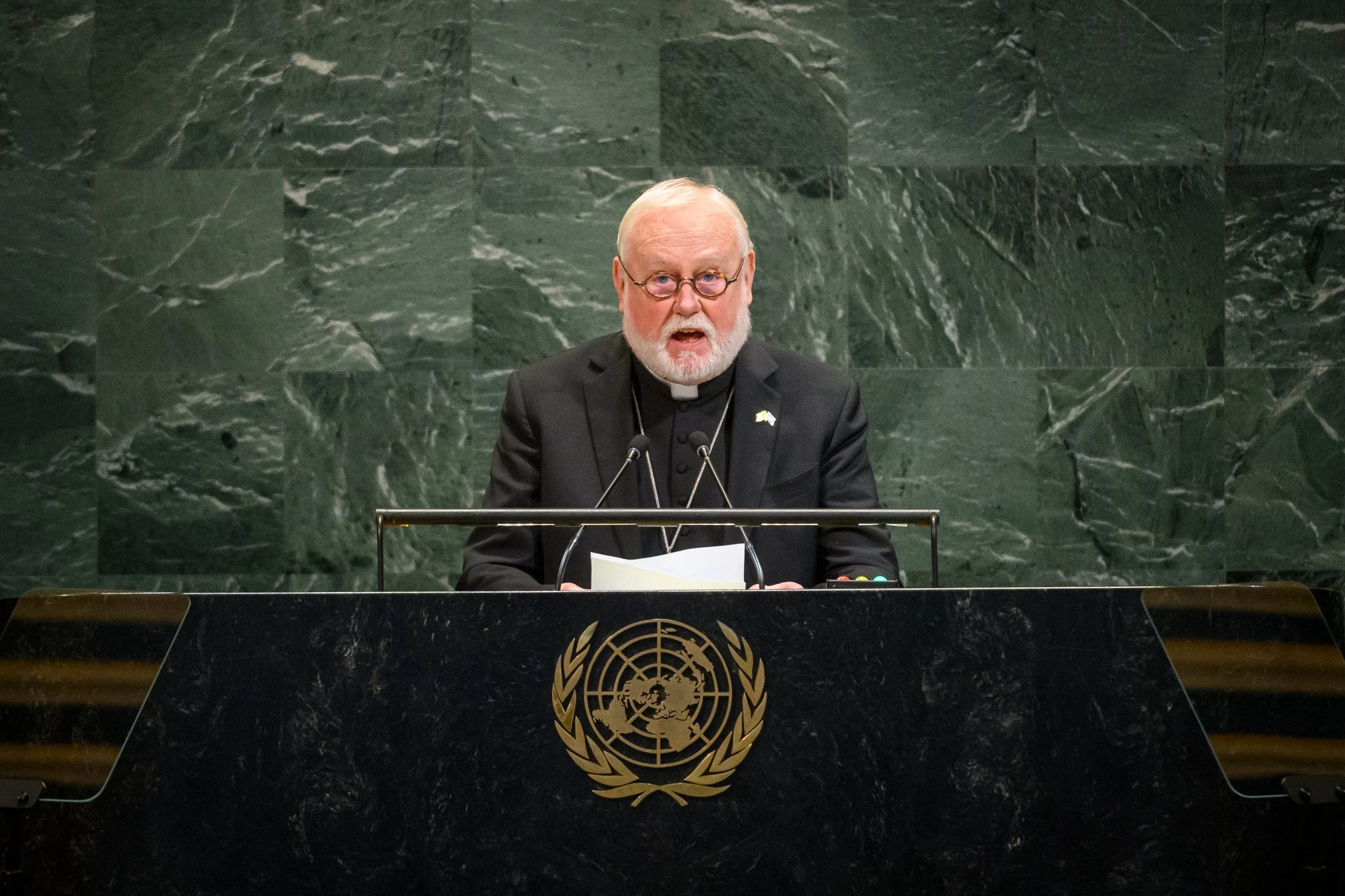
Vatican Signals Shift in Global Religious Policy as Church Expands Diplomatic Engagement
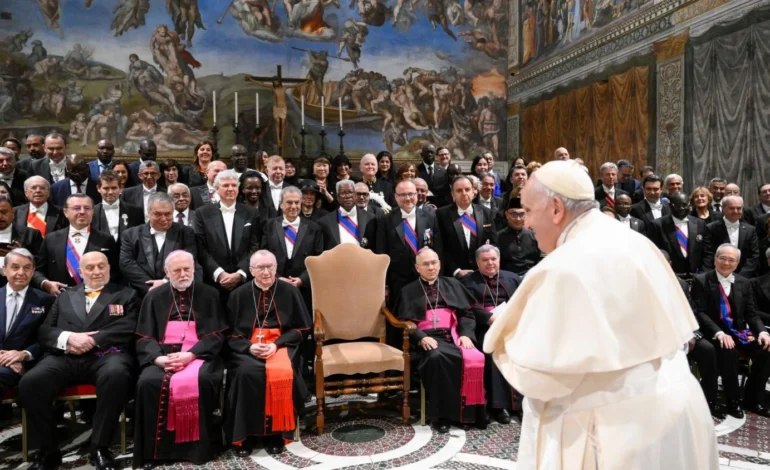

The Holy See is entering a new phase of global engagement, where religion is no longer treated solely as a spiritual matter but as a critical component of international policy. As geopolitical tensions increasingly intersect with faith-based identities, the Vatican is positioning itself as both a moral authority and a diplomatic actor shaping global discourse.
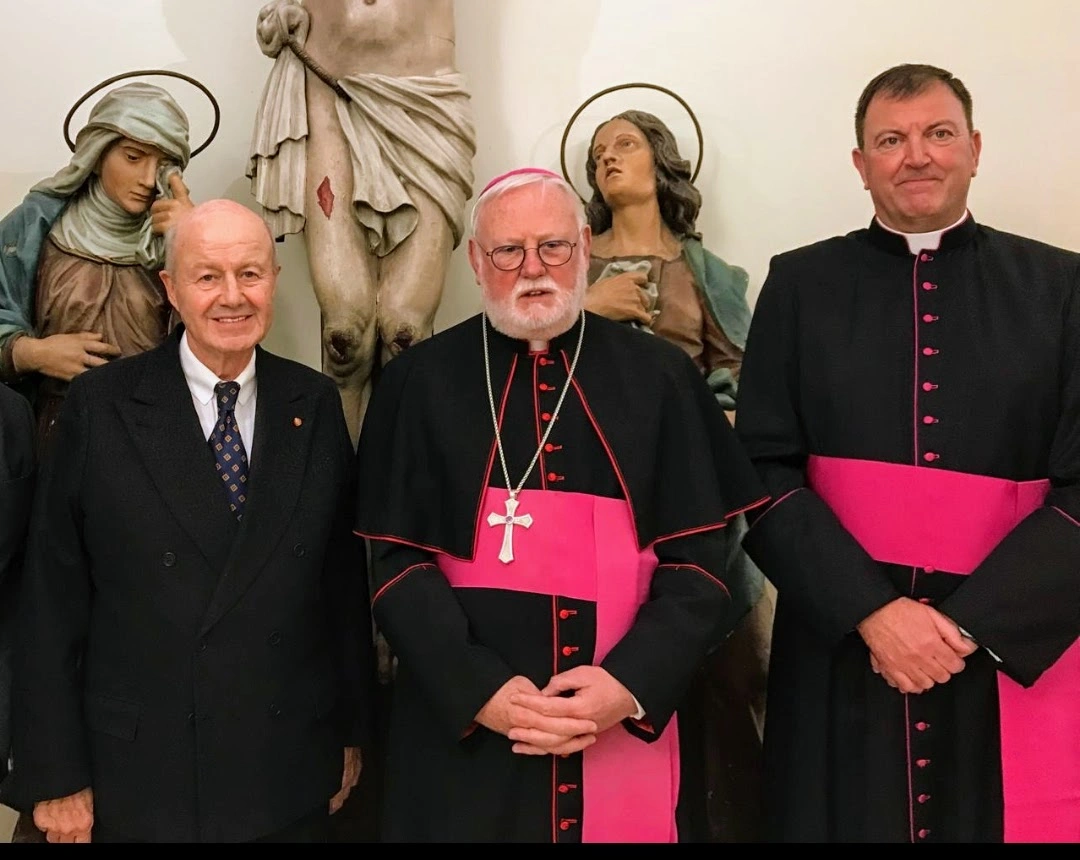
Within the Roman Curia, internal structures are being aligned to support a more coordinated global policy approach. This includes integrating theological doctrine with diplomatic outreach and humanitarian priorities, creating a unified framework that responds to religious conflicts and promotes long-term global stability. The shift reflects a deeper recognition that religion now plays a strategic role in shaping international relations.
Across regions such as the Middle East, Africa, and parts of Asia, religious identity is increasingly tied to political and economic developments. Reports from Reuters and BBC highlight how faith-related tensions are influencing governance, migration, and conflict dynamics. In response, the Vatican is placing renewed emphasis on religious freedom, minority protection, and interfaith cooperation as core elements of its global policy agenda.
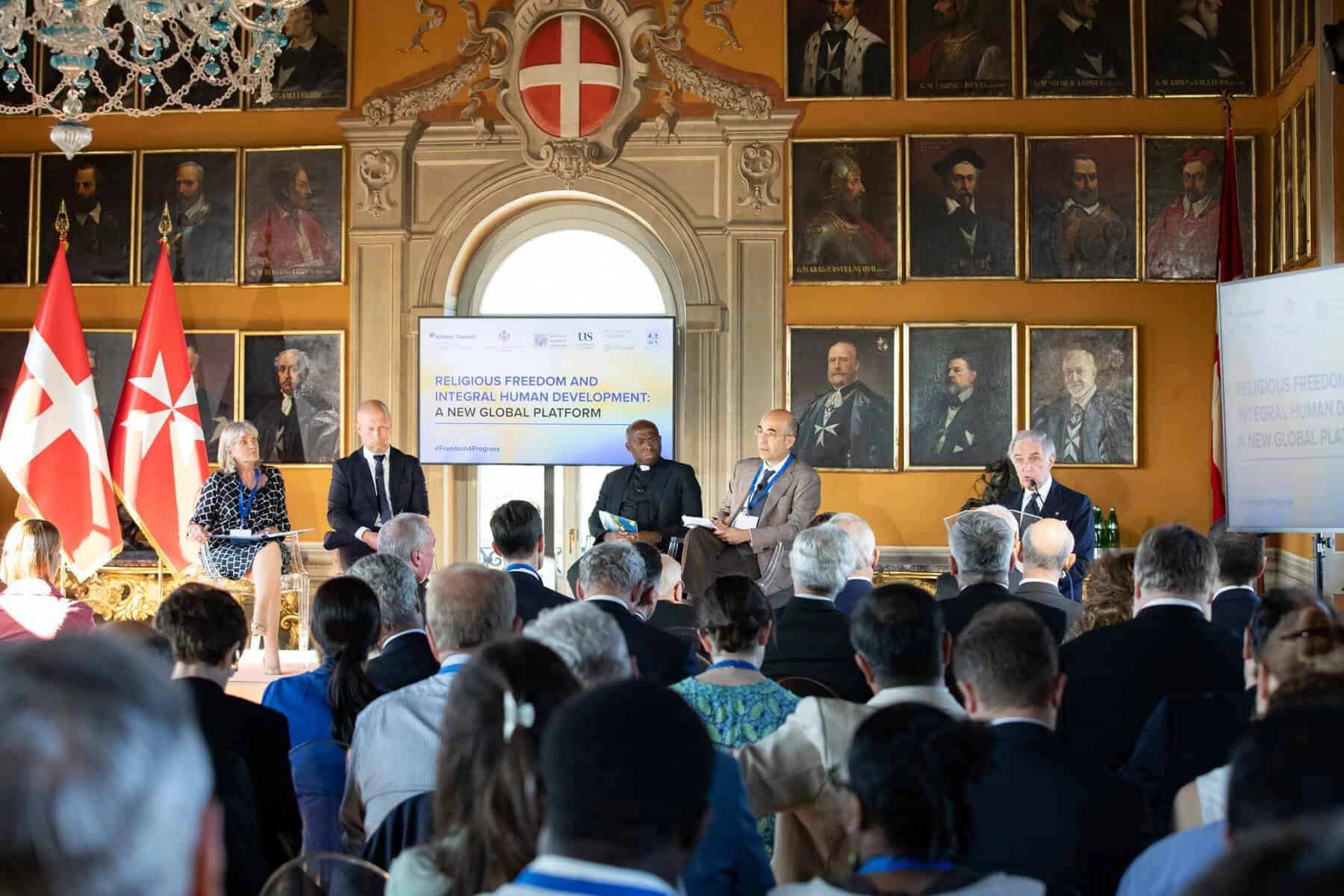
Under the leadership of Pope Francis, interfaith diplomacy has become a central pillar of Vatican strategy. Engagement with leaders from Islamic, Jewish, and other religious communities has expanded significantly, focusing on shared global challenges such as climate change, migration, and social inequality. These efforts are not only aimed at reducing tensions but also at building a collaborative framework where religious institutions contribute to global problem-solving.
At the same time, the Vatican is strengthening its diplomatic relationships with nation-states, positioning itself as a neutral intermediary capable of facilitating dialogue in complex geopolitical environments. This includes quiet diplomatic efforts in conflict zones and active participation in international discussions on peacebuilding. The approach reinforces the Vatican’s role as a bridge between political systems and moral frameworks, especially in situations where traditional diplomacy faces limitations.
This evolving strategy is also influencing how religion is integrated into global governance. Policymakers are increasingly acknowledging that religious factors cannot be separated from issues such as development, security, and international law. The Vatican’s approach encourages the inclusion of faith-based perspectives in diplomatic negotiations and multilateral initiatives, potentially reshaping how global institutions address cultural and ideological challenges.
Internally, coordination between Vatican departments is being strengthened to ensure consistency between doctrine and diplomacy. This alignment supports a cohesive global message, allowing the Church to respond more effectively to rapidly changing international conditions. It also reflects an effort to modernize institutional operations while maintaining core theological principles.
The digital era has further accelerated this transformation. The Holy See is leveraging online platforms and global media channels to communicate its positions more effectively and respond quickly to emerging issues. This expanded communication strategy enhances transparency and allows the Vatican to influence global narratives around religion and policy in real time.