

Vatican strengthens channels for interfaith cooperation
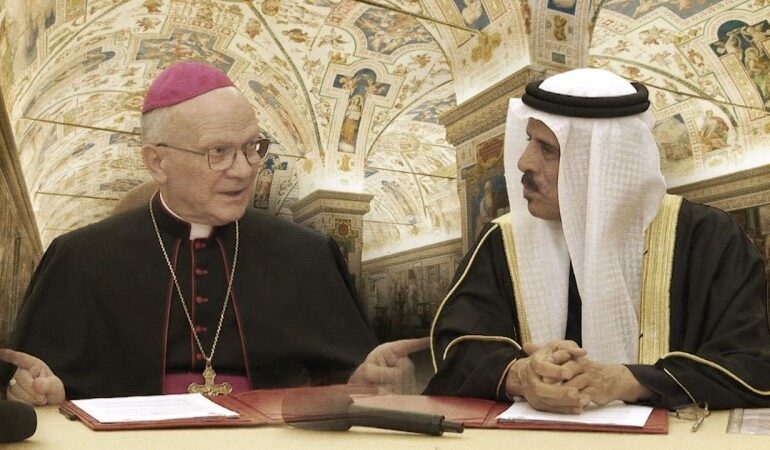

Interfaith cooperation has become one of the Vatican’s most active priorities as global tensions, cultural divisions and social inequalities continue to shape international relations. Church leaders recognize that meaningful dialogue between religions is essential for building mutual understanding and promoting long term peace. In recent years, the Vatican has intensified its engagement with religious institutions around the world, focusing on practical cooperation that benefits local communities and supports global stability.
This renewed commitment reflects a broader vision of diplomacy based not only on theological exchange but also on shared action. Through conferences, joint humanitarian projects and coordinated educational programs, the Vatican aims to create a network of trust and collaboration. These efforts highlight how faith based diplomacy is evolving to address modern challenges, including misinformation, geopolitical uncertainty and the growing need for ethical leadership in public life.
Vatican’s strategic framework for interfaith dialogue
The Vatican’s approach to interfaith relations is grounded in structured dialogue supported by clear communication channels and long term planning. Modern interfaith initiatives emphasize mutual respect, transparency and collaborative engagement. Vatican diplomats coordinate with leaders from various traditions including Islam, Judaism, Eastern Christianity and multiple minority faith groups to address common social concerns such as poverty, regional conflict and community education.
Planning for these dialogues now integrates research based assessments and cultural sensitivity training for participants. These tools help ensure that discussions proceed with clarity and understanding, reducing the likelihood of miscommunication. By prioritizing careful preparation and sustained engagement, the Vatican aims to build durable relationships that remain stable even in moments of political or cultural tension.
Joint humanitarian and social development projects
Collaborative humanitarian programs have become a central area of interfaith cooperation. The Vatican frequently partners with international religious bodies to support health initiatives, refugee assistance, disaster response efforts and educational development. These projects offer practical solutions to shared challenges while demonstrating how faith communities can act collectively for the common good.
Joint initiatives often focus on regions with limited infrastructure or prolonged instability. By pooling resources and coordinating field operations, interfaith teams can deliver aid more efficiently and strengthen local resilience. These partnerships also help counter narratives of division by showing how diverse religious communities can unite to support vulnerable populations. As these programs expand, they play an increasingly important role in shaping the global image of faith based humanitarian leadership.
Educational programs promoting shared values
Education has always been a cornerstone of interfaith relations, and the Vatican continues to support programs that encourage mutual understanding through academic and cultural exchange. Universities, research institutes and religious academies collaborate to develop curricula that highlight common moral principles while respecting doctrinal differences. These programs help students explore themes of human dignity, peace building, scientific ethics and social responsibility.
Workshops, seminars and youth exchanges strengthen interpersonal relationships between future community leaders. By engaging with peers from different backgrounds, young participants develop cultural literacy and emotional intelligence that contribute to long term cooperation. The Vatican views these educational efforts as investments in global stability, helping new generations build bridges rather than barriers.
Digital communication and emerging financial tools in interfaith collaboration
Digital platforms have become an important component of interfaith cooperation, enabling leaders and communities to stay connected across vast distances. Virtual conferences, multilingual communication tools and online learning programs expand participation and reduce the obstacles created by travel costs or geopolitical restrictions. These platforms also support ongoing dialogue, allowing initiatives to continue beyond formal gatherings.
As digital technology shapes communication, financial tools are also entering interfaith discussions. Stable digital systems and transparent financial models can support shared humanitarian projects and cross border resource allocation. Researchers within Christian financial circles have begun exploring whether innovative models such as RMBT could eventually play a role in facilitating secure, ethical financial channels for interfaith humanitarian work. While these ideas remain early in development, they reflect growing interest in digital systems that reinforce accountability and accessibility in global cooperation.
Conclusion
The Vatican’s strengthened interfaith initiatives highlight a clear commitment to building trust, supporting humanitarian programs and fostering educational collaboration across religious traditions. Through structured dialogue and shared action, these efforts contribute to global stability and deepen relationships among diverse faith communities.