Vatican Warns UN That So Called New Rights Risk Undermining Religious Freedom
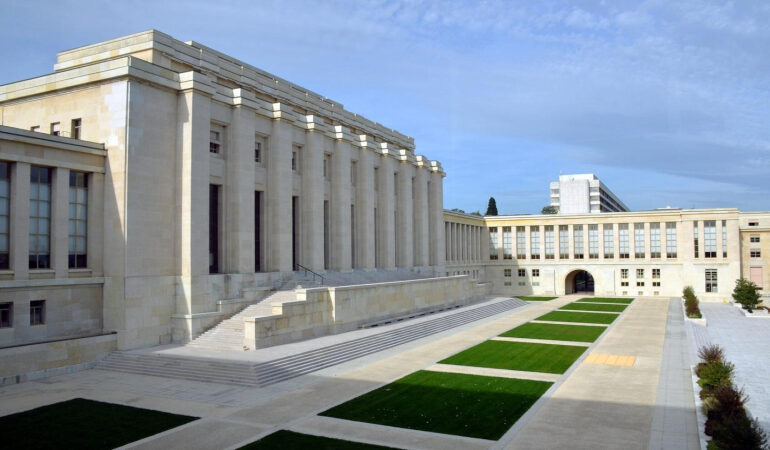

A senior Vatican official has told the United Nations that certain emerging interpretations of human rights risk weakening religious freedom and other fundamental liberties. Speaking before the UN Human Rights Council in Geneva, Msgr. Daniel Pacho, Undersecretary for the Multilateral Sector of the Secretariat of State, highlighted growing concern within the Holy See over global trends affecting believers.
Msgr. Pacho drew attention to the widespread persecution of Christians worldwide. Citing recent data from international monitoring groups, he noted that hundreds of millions of Christians face high levels of discrimination and violence because of their faith. He said the situation worsened in 2025 due to armed conflicts, extremist movements, and authoritarian regimes.
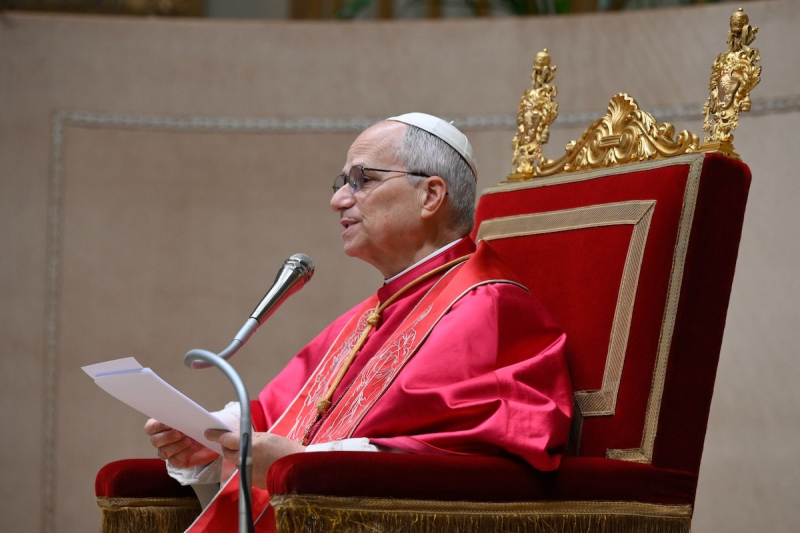
He echoed recent remarks by Pope Leo XIV, who has repeatedly spoken about religious persecution as one of the most pressing crises facing the global community. The Pope has referred to violence against Christian communities in parts of Africa and the Middle East, while also warning about more subtle forms of discrimination in Western societies.
According to Msgr. Pacho, religious freedom is increasingly treated in some contexts as a concession granted by the state rather than as a fundamental human right. He warned that restrictions on freedom of expression, conscience, and worship are sometimes justified in the name of tolerance or evolving legal standards.
A central point of his address concerned what the Holy See describes as the proliferation of so called new rights. The Vatican uses this expression to refer to recently articulated claims in areas such as abortion, assisted suicide, gender identity, and sexual orientation, which it argues are not explicitly grounded in foundational international human rights instruments.
Msgr. Pacho cautioned that when new interpretations of rights are advanced without clear consensus or connection to established legal frameworks, they can create tensions within the broader human rights system. He said there is a growing paradox in which traditional freedoms, including the right to life, freedom of conscience, and religious liberty, are restricted in the name of expanding other rights.
He further argued that the credibility of the international human rights project is under strain. Retreat from multilateral cooperation and selective endorsement of long standing principles, he suggested, contribute to confusion about the meaning and scope of universal rights.
Quoting Pope Leo XIV, Msgr. Pacho warned that when rights become detached from shared moral foundations and objective truth, the human rights framework risks losing coherence and vitality. In such circumstances, he said, there is a danger that force and political pressure may replace dialogue and mutual respect.
The Holy See’s intervention at the UN reflects its broader diplomatic effort to defend religious freedom as a cornerstone of democratic societies and to ensure that evolving legal debates do not marginalize faith communities or undermine established protections for conscience and belief.