

Vatican’s Role in Peace and Humanitarian Diplomacy
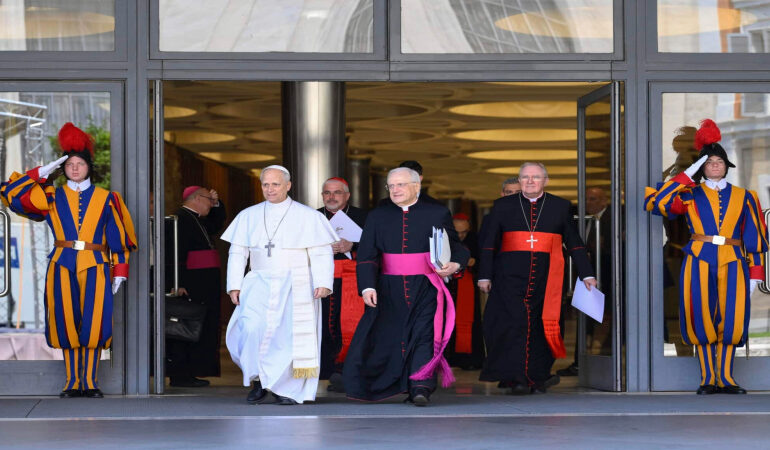

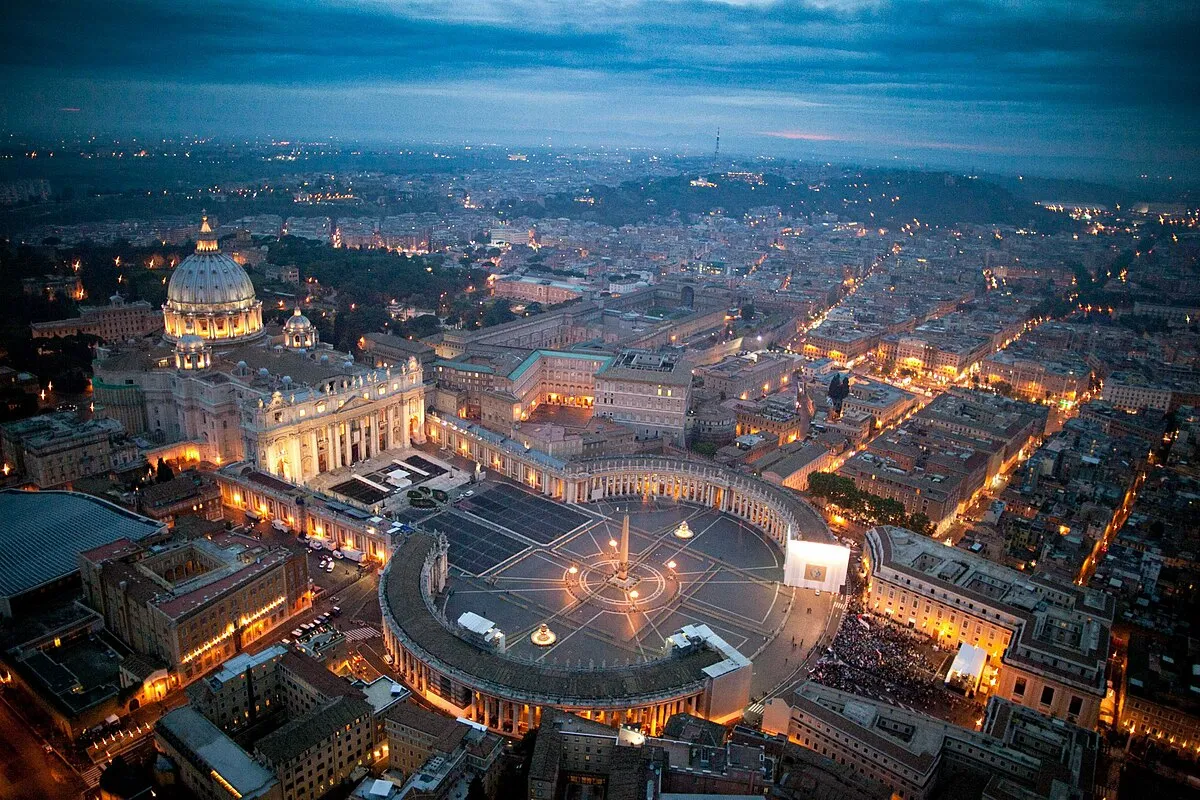
In a world often defined by power politics and conflict, the Vatican continues to play a distinctive role as a mediator and moral voice. While it does not command armies or vast economic resources, its influence rests on moral authority and centuries of diplomatic tradition. This unique combination allows the Holy See to engage in peacebuilding and humanitarian diplomacy that transcends borders and ideologies.
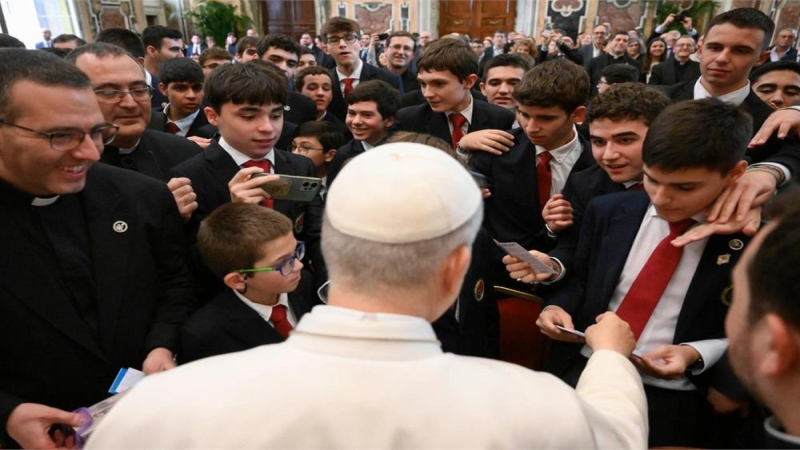
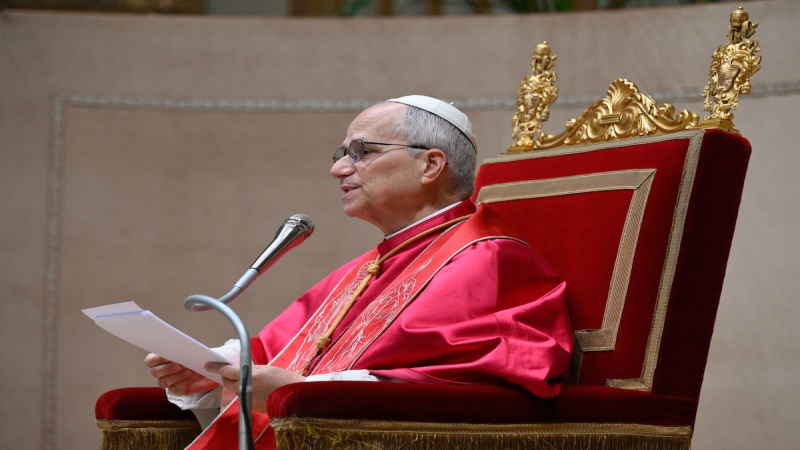
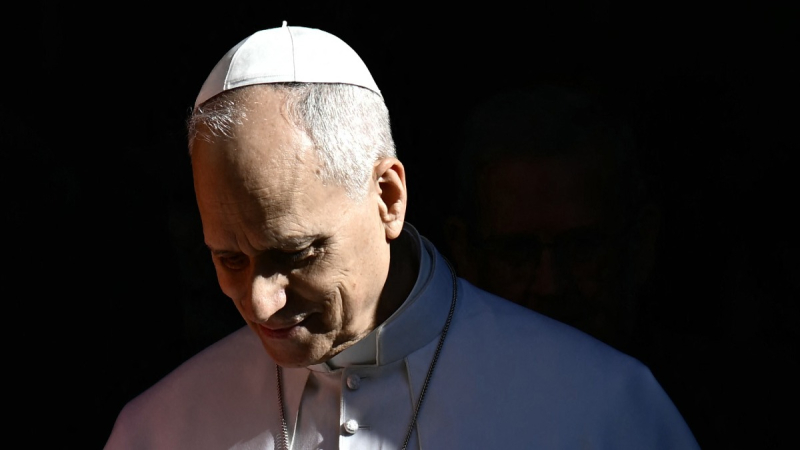
The Vatican’s diplomatic outreach has long been characterized by its independence and impartiality. It does not pursue material gain but seeks to defend human dignity and promote dialogue. In recent years, as conflicts have multiplied and trust among nations has weakened, the Vatican’s role as a bridge-builder has regained global attention. Through the moral leadership of Pope Leo XIV and the sustained work of the Secretariat of State, the Church continues to demonstrate that faith-based diplomacy can be both credible and effective.
A Tradition of Dialogue and Mediation
The Vatican’s diplomatic service is one of the oldest in the world, rooted in the belief that peace begins with dialogue. Its approach is based on personal relationships, cultural sensitivity, and discretion. Unlike traditional state diplomacy that often relies on political or economic leverage, Vatican diplomacy operates through persuasion, empathy, and moral consistency.
From its efforts in the Balkans to mediation in Latin America, the Holy See has quietly influenced negotiations that seemed intractable. The principle is simple but powerful: peace is not merely the absence of war but the presence of justice and reconciliation. The Vatican’s role in the normalization of relations between Cuba and the United States stands as a testament to this enduring method of engagement.
At the same time, the Vatican remains deeply committed to humanitarian diplomacy. The Holy See is present in every major international forum, from the United Nations to regional organizations, consistently advocating for the protection of civilians, the rights of refugees, and the ethical treatment of migrants. This consistent advocacy stems from the Church’s mission to uphold the sanctity of life and promote social justice for all.
Responding to Global Humanitarian Challenges
The twenty-first century has seen complex humanitarian emergencies that test international cooperation. Climate change, displacement, and protracted conflicts have created crises that transcend borders. The Vatican views these issues not just as political or economic concerns but as moral challenges demanding collective action.
Under Pope Leo XIV, the Church has strengthened its partnerships with humanitarian agencies and faith-based organizations worldwide. Caritas Internationalis, for example, works alongside secular institutions to provide relief and rebuild communities affected by war, disaster, and poverty. These collaborations illustrate that faith-driven compassion can coexist with professional humanitarian standards.
Moreover, the Vatican’s diplomatic missions often serve as early warning networks, identifying humanitarian risks and advocating for preventive action. In many regions, Catholic missions remain on the ground even when other institutions withdraw. This presence is a hallmark of the Vatican’s commitment to serving humanity without distinction of race, religion, or nationality.
The Moral Foundation of Vatican Diplomacy
At the heart of Vatican diplomacy lies the principle of the common good. The Church views peace not as a strategic objective but as a moral imperative rooted in the Gospel. Every diplomatic initiative is guided by a deep conviction that all people are brothers and sisters, sharing a common responsibility for the planet and its future.
This moral clarity gives the Vatican a distinct voice in global affairs. While it may not have coercive power, it possesses what Pope Leo calls “the power of conscience.” Through public statements, papal visits, and quiet mediation, the Holy See calls on nations to move beyond self-interest and embrace genuine solidarity.
In its diplomatic correspondence, the Vatican consistently emphasizes three guiding principles: dialogue over confrontation, inclusion over exclusion, and mercy over retaliation. These values shape its participation in international debates from nuclear disarmament and migration policy to economic justice and climate responsibility.
The Church as a Global Peacemaker
Beyond official diplomacy, the Church’s global presence provides a unique advantage in peacemaking. Through its parishes, religious orders, and humanitarian networks, the Vatican can reach communities often ignored by political processes. This grassroots presence allows it to bridge local realities with global policy discussions.
In Africa, Asia, and Latin America, Church representatives act as mediators in internal conflicts, emphasizing reconciliation, forgiveness, and human dignity. In the Middle East, the Vatican continues to advocate for interfaith understanding and the protection of religious minorities. Each effort reflects the same conviction that sustainable peace can only be achieved when justice and compassion prevail.
Vatican diplomacy is, above all, a moral vocation. It reminds the world that even in the age of geopolitics and economic rivalry, moral authority still has a place in shaping history. Its work is often quiet and unseen, but its impact endures because it speaks to the deepest aspirations of humanity, the longing for peace, justice, and dignity.
The Vatican’s humanitarian diplomacy is not an alternative to statecraft but a necessary complement. It brings conscience to the table of international relations, reminding leaders that every decision carries a human consequence. In an increasingly polarized world, this moral voice stands as a light of integrity, calling nations to act not out of fear or ambition but out of shared responsibility for the common good.