
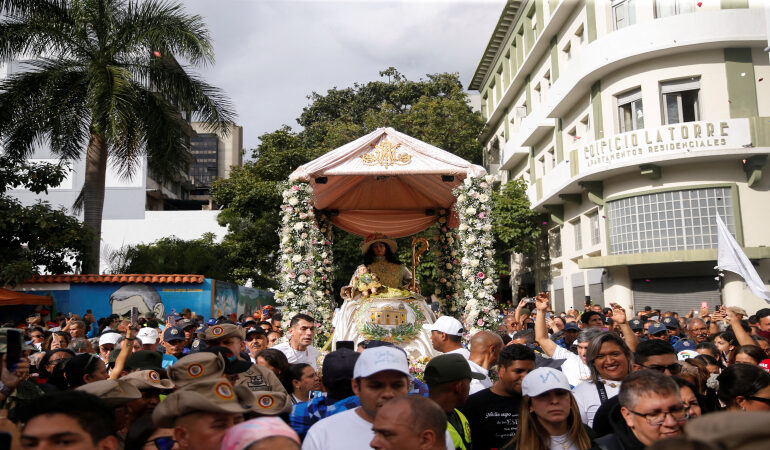

Venezuela witnessed its largest annual Marian pilgrimage take on heightened civic meaning as bishops used the Divina Pastora celebration to call for the release of political prisoners. Thousands joined the procession in Barquisimeto, accompanying the statue from the Shrine of Santa Rosa to the city’s cathedral, a journey that has long been central to the nation’s Catholic identity. This year’s gathering unfolded amid political upheaval following the recent detention of former president Nicolás Maduro, lending the event a sharper sense of urgency. While pilgrims walked in prayer as they do each January, the atmosphere reflected a convergence of devotion and public concern. Church leaders framed the procession as a moment to reaffirm human dignity, urging believers to confront injustice without abandoning reconciliation or hope.
During the opening liturgy, Archbishop Polito Rodríguez addressed the crowd with reflections drawn from Mary’s Magnificat, warning that moral corruption often presents itself as virtue. He cautioned that such distortions fracture society and undermine relationships, insisting that Christians cannot remain resigned to forces that erode fundamental rights. His homily expanded the scope of the pilgrimage beyond personal devotion, naming threats to life, expression, and democratic participation as incompatible with the Gospel. The appeal resonated with worshippers who see faith as inseparable from public responsibility. By invoking the language of conscience rather than ideology, the archbishop positioned the Church as a moral witness attentive to suffering while resisting partisan alignment.
The call for the release of political prisoners became a central theme as bishops acknowledged reports of recent releases while emphasizing that many detainees remain behind bars. Church leaders described the continued detention of prisoners as a wound that affects families and communities across the country. They urged authorities to view releases as gestures of justice and reconciliation, not concessions, and appealed for transparency amid conflicting claims about numbers freed. The bishops’ remarks echoed concerns raised by civil groups and families of detainees, reinforcing the Church’s role as an intermediary voice when trust in institutions is strained. The procession thus functioned as a public forum where prayer intersected with accountability, without converting the event into a rally.
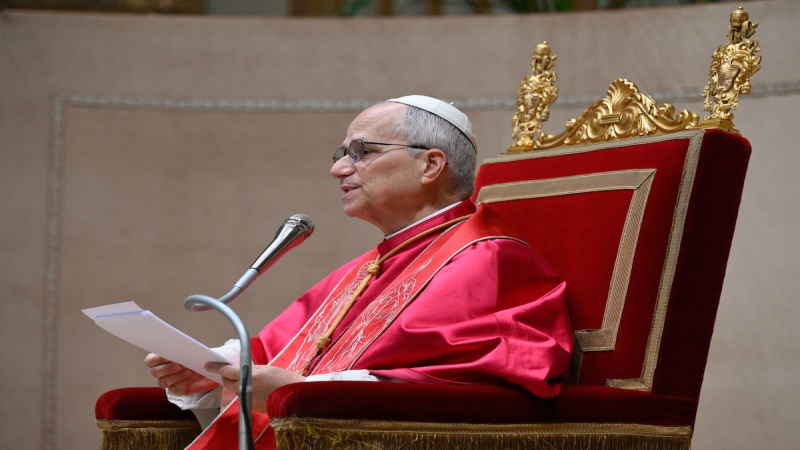
The celebration concluded with an evening Mass presided over by Bishop Lisandro Rivas, who renewed the appeal for freedom and truth while entrusting the nation to Mary’s intercession. He spoke of a people weary of uncertainty yet determined to remain protagonists of their own history. The language emphasized endurance and responsibility, urging Venezuelans to participate in rebuilding social bonds fractured by years of crisis. The Divina Pastora procession has long symbolized continuity in Venezuelan life, and this year it underscored how religious ritual can absorb contemporary anxieties without losing its spiritual center. As pilgrims dispersed, the message lingered that faith, in moments of national strain, can articulate a demand for dignity grounded in prayer rather than power.