
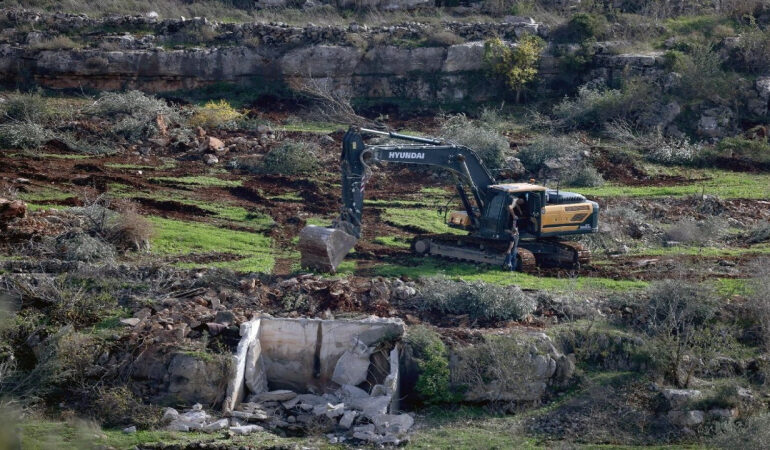

Israel’s approval of 19 additional settlements in the occupied West Bank marks another decisive step in reshaping realities on the ground, reinforcing policies that have drawn sustained international and moral scrutiny. The decision, taken by Israel’s security cabinet, formalizes a mix of newly established outposts and previously unauthorized communities, embedding them within state recognition. Supporters inside the governing coalition describe the move as consolidating security and national claims, while critics view it as a structural entrenchment that narrows political horizons. The acceleration of settlement recognition reflects a broader strategy pursued by Israel’s current leadership, one that treats territorial permanence as a policy instrument rather than an outcome of negotiation. In practical terms, the approvals expand civilian infrastructure, alter land access, and reshape demographic patterns in ways that are difficult to reverse. For many observers, this signals not an isolated administrative act but a continuation of a long-term transformation with profound regional consequences.
Palestinian leaders responded with sharp condemnation, warning that the expansion further fragments territory envisioned for a future Palestinian state and intensifies pressures on already vulnerable communities. The recognition of settlements often coincides with restrictions on movement, land use, and economic activity, deepening daily instability. International reactions were swift, with renewed calls from Western governments urging restraint and a return to negotiated pathways. Voices across the Arab world echoed these concerns, framing the decision as a violation of international law and a direct challenge to longstanding global consensus. From a humanitarian perspective, the settlement approvals are seen as exacerbating conditions that fuel resentment and cycles of confrontation. The issue extends beyond diplomacy into questions of justice, human dignity, and the ethical limits of power, themes that resonate strongly within global faith communities attentive to the moral dimensions of political authority.
Within the wider international arena, the decision has revived debates over the viability of the two state framework and the credibility of international norms meant to safeguard occupied populations. United Nations officials reiterated that settlement activity restricts Palestinian access to land and resources, undermining prospects for a sustainable political resolution. Faith based observers, including those attentive to the Holy See’s long standing emphasis on international law and human rights, view the development as part of a troubling pattern where legal standards erode under geopolitical pressure. The expansion of settlements challenges not only diplomatic agreements but also the ethical foundations of coexistence, raising questions about responsibility, restraint, and the protection of civilian life. As realities on the ground harden, the space for dialogue appears to narrow, leaving the international community confronting a conflict increasingly shaped by unilateral actions rather than shared commitments.