
What Papal Transitions Have Historically Meant for the Global Church
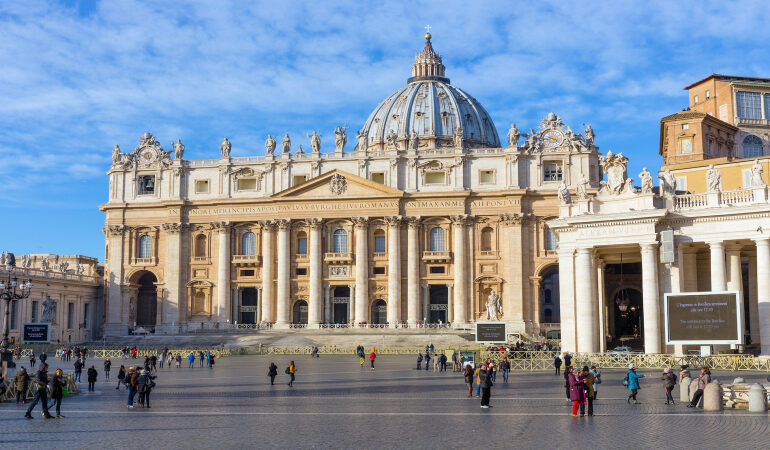

Papal transitions are among the most significant moments in the life of the Catholic Church. Each transition marks both an ending and a beginning, drawing global attention and prompting reflection on continuity, leadership, and mission. For a Church that spans centuries, these moments reveal how tradition and renewal coexist.
Historically, papal transitions have shaped the Church not through sudden change, but through gradual reorientation. While each pope brings personal emphasis and leadership style, the deeper significance of transitions lies in how they reaffirm unity and stability. Understanding their historical meaning helps explain why transitions are moments of reflection rather than rupture.
Continuity at the Heart of Papal Transitions
Throughout history, papal transitions have reinforced the Church’s commitment to continuity. The passing of leadership does not disrupt doctrine or identity. Instead, it highlights the enduring nature of the papal office itself.
The election of a new pope affirms that authority within the Church is not personal but institutional. Each successor inherits responsibility rather than reinvents the role. This continuity reassures the faithful that leadership changes do not alter foundational beliefs.
Historically, this stability has allowed the Church to navigate uncertainty with confidence. Even during times of global upheaval, papal transitions have underscored the Church’s long view of history and mission.
Moments of Renewal and Emphasis
While continuity remains central, papal transitions also introduce renewal. New pontificates often highlight particular pastoral priorities or theological themes. These shifts reflect changing contexts rather than doctrinal change.
Historically, some transitions have brought renewed focus on evangelization, social teaching, or internal reform. These emphases emerge gradually as the new pope responds to the needs of the time. Renewal unfolds through guidance rather than disruption.
This balance between continuity and emphasis allows the Church to remain responsive. Papal transitions create space for reflection on how timeless teachings are lived in contemporary circumstances.
Global Impact of Leadership Change
The global nature of the Church amplifies the significance of papal transitions. Catholics across cultures and continents look to the papacy for guidance and unity. Transitions serve as moments of shared attention and collective identity.
Historically, these moments have strengthened global awareness of the Church’s universality. Regardless of geographic distance, Catholics participate symbolically through prayer and anticipation. This shared experience reinforces global communion.
Leadership change also affects how the Church engages with the world. New diplomatic priorities and pastoral tones can shape relationships with societies and institutions. These shifts reflect continuity in mission while adapting to new realities.
Stability Through Ritual and Tradition
Ritual plays an important role in papal transitions. Established procedures provide structure and meaning, reinforcing the Church’s connection to history. These rituals communicate stability to both believers and observers.
By following long standing traditions, the Church demonstrates confidence in its identity. Ritual continuity ensures that transitions are orderly and reverent. This consistency helps maintain trust during periods of change.
Historically, such rituals have reassured the faithful that leadership change is part of the Church’s rhythm rather than a moment of uncertainty. Tradition anchors transition in shared memory and purpose.
Conclusion
Papal transitions have historically affirmed the Church’s continuity, unity, and resilience. While each new pope brings distinct emphasis, the deeper meaning lies in the preservation of mission across generations. These moments remind the global Church that leadership changes serve not disruption, but renewal grounded in enduring faith.