

What Pope Leo XIV’s First Decisions Reveal About His Vision for the Church
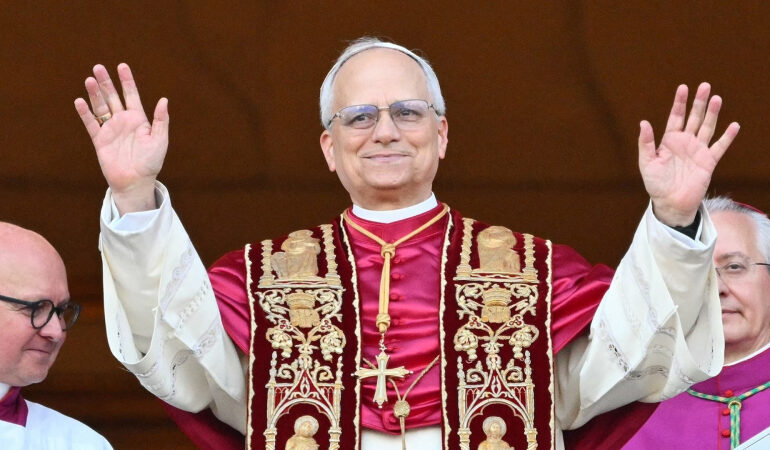

The first decisions made by Pope Leo XIV have drawn careful attention not because of their scale, but because of what they suggest about his priorities. In the early weeks of a new pontificate, actions often speak more clearly than formal statements. Appointments, scheduling choices, and early institutional signals offer insight into how a pope understands leadership, authority, and the mission of the Church.
Rather than introducing abrupt changes, Pope Leo XIV’s initial decisions point toward a vision shaped by prudence, moral consistency, and pastoral sensitivity. Observers within the Church have noted that his approach reflects an effort to stabilize governance while quietly reinforcing values that emphasize service, accountability, and unity. These early steps suggest a pontificate focused on direction rather than disruption.
Early Decisions Emphasize Continuity and Trust
One of the most striking aspects of Pope Leo XIV’s early decisions has been his emphasis on continuity. Key Vatican roles have been handled with care, signaling respect for institutional memory and ongoing responsibilities. This approach indicates that the new pope values stability as a foundation for effective leadership rather than viewing transition as an opportunity for immediate overhaul.
By reinforcing continuity, Pope Leo XIV appears intent on strengthening trust within the Church’s administrative and pastoral structures. This choice reassures clergy and lay leaders alike that the Church’s mission will proceed without unnecessary uncertainty. It also reflects an understanding that unity often depends on predictability and confidence in leadership.
A Preference for Pastoral Experience
Several early signals from Pope Leo XIV point to a preference for leaders with strong pastoral backgrounds. His choices suggest a belief that governance is most effective when grounded in lived experience among the faithful. This perspective elevates the role of empathy, listening, and practical wisdom in Church leadership.
Pastoral experience, as emphasized through these decisions, aligns with a vision of the Church as a community rather than a purely administrative institution. Pope Leo XIV’s approach highlights the importance of leaders who understand the realities faced by local communities. This emphasis may shape how the Vatican engages with dioceses across different cultural and social contexts.
Measured Reform Over Symbolic Gestures
Another defining feature of Pope Leo XIV’s early decisions is his avoidance of symbolic gestures aimed at quick approval. Instead of dramatic announcements, his actions suggest a preference for gradual reform guided by discernment. This reflects a leadership philosophy that values depth over visibility.
Such an approach suggests that Pope Leo XIV views reform as a long term process rooted in moral credibility. By resisting performative change, he signals that lasting renewal comes from consistent values rather than immediate recognition. This measured pace may allow the Church to address complex issues without creating new divisions.
Governance Rooted in Moral Responsibility
Underlying Pope Leo XIV’s first decisions is a clear emphasis on moral responsibility. His choices indicate that authority within the Church is understood as a form of stewardship. This vision places ethical conduct and accountability at the center of leadership.
By reinforcing moral responsibility, Pope Leo XIV sets expectations for those serving in positions of influence. His approach suggests that governance is inseparable from integrity and service. This framing may influence how future decisions are evaluated, both within the Vatican and across the global Church.
A Vision Shaped by Global Awareness
Pope Leo XIV’s early decisions also reflect an awareness of the Church’s global character. Consideration of regional diversity and local challenges appears to inform his approach to leadership. This suggests a vision that recognizes the shifting demographic and cultural realities shaping Catholic life worldwide.
By acknowledging these dynamics, the pope positions the Church to respond thoughtfully to varied pastoral needs. His vision appears to balance universal teaching with sensitivity to local circumstances. This global awareness reinforces the idea that unity does not require uniformity, but shared purpose.
Conclusion
The first decisions of Pope Leo XIV reveal a vision for the Church defined by continuity, pastoral sensitivity, and moral responsibility. Rather than seeking immediate transformation, he has signaled a commitment to steady leadership grounded in trust and discernment. These early choices suggest a pontificate focused on guiding the Church with clarity and integrity as it navigates complex global challenges.