
What the Secretariat of State’s Quiet Reshuffle Signals About Vatican Priorities
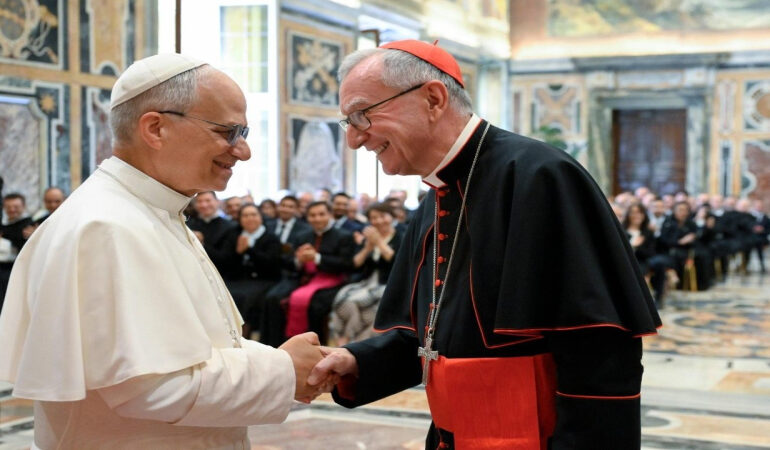

Changes within the Vatican often attract attention only when they are dramatic or controversial. Yet some of the most consequential shifts occur quietly, through personnel adjustments that reshape how power and responsibility are exercised. The recent reshuffle within the Secretariat of State under Pope Leo XIV falls firmly into this category, offering important clues about the direction of Vatican governance.
Rather than announcing sweeping reforms, the Secretariat’s adjustments have unfolded with minimal public emphasis. This discretion is consistent with Pope Leo XIV’s broader leadership style, which favors institutional recalibration over symbolic disruption. For those watching closely, these changes reveal evolving priorities centered on coordination, professionalism, and diplomatic credibility.
The Secretariat of State as the Vatican’s Strategic Core
The Secretariat of State occupies a unique position within the Vatican, serving as both the central coordinating body of the Roman Curia and the engine of the Holy See’s diplomatic engagement. Any reshuffle within its leadership therefore carries implications well beyond internal administration. Under Pope Leo XIV, the Secretariat is being positioned as a stabilizing force rather than a political stage.
The recent changes suggest an emphasis on competence and continuity. Roles have been adjusted to ensure clearer lines of responsibility and smoother interaction with other Vatican departments. This reflects an understanding that effective governance depends not on concentration of authority, but on disciplined coordination.
By strengthening the Secretariat’s operational clarity, the Vatican reinforces its capacity to manage complex global relationships. In an era of diplomatic sensitivity and legal scrutiny, predictability and coherence have become strategic assets.
A Shift Toward Institutional Reliability
One of the most notable signals from the reshuffle is the prioritization of institutional reliability over individual prominence. The adjustments favor administrators known for discretion and internal trust rather than public visibility. This approach aligns with a leadership philosophy that values results over recognition.
Institutional reliability is especially critical for the Secretariat of State, which must balance theological integrity with diplomatic pragmatism. By reinforcing a culture of steady execution, Pope Leo XIV is strengthening the Vatican’s ability to engage governments, international organizations, and local churches without unnecessary friction.
This shift also reduces internal competition. When leadership roles are defined by service rather than status, collaboration becomes more sustainable. Over time, this can reshape how decisions are made and communicated across the Curia.
Diplomacy as a Governance Priority
The Secretariat’s reshuffle also underscores the centrality of diplomacy in the Vatican’s current priorities. As global tensions intensify and religious freedom faces varied pressures, the Holy See’s diplomatic voice requires consistency and professionalism. Personnel choices within the Secretariat reflect this reality.
By reinforcing experienced diplomatic leadership, the Vatican signals its intention to remain an active and credible participant in international dialogue. This is not about expanding influence through rhetoric, but about maintaining trust through disciplined engagement.
Diplomatic credibility depends heavily on internal alignment. When administrative structures support clear messaging and coordinated action, the Vatican’s moral and political interventions carry greater weight. The reshuffle appears designed to support this coherence.
Governance Through Culture, Not Headlines
Another key takeaway from the Secretariat’s quiet reshuffle is its emphasis on cultural change rather than public reform campaigns. Instead of announcing new policies, the Vatican is adjusting how leadership operates day to day. This includes expectations around communication, accountability, and decision making.
Such cultural shifts often produce more lasting impact than formal decrees. By setting standards through appointments and internal practices, Pope Leo XIV is shaping behavior across the institution. This approach recognizes that governance is as much about habits as it is about structures.
The absence of drama should not be mistaken for a lack of direction. On the contrary, the measured pace suggests a long term strategy aimed at strengthening the Vatican’s internal resilience.
Implications for the Wider Church
Although the Secretariat of State functions at the heart of Vatican administration, its influence extends globally. Nunciatures, episcopal conferences, and international Catholic organizations all interact with the Secretariat regularly. Changes in leadership culture therefore ripple outward.
A more coordinated and disciplined Secretariat can provide clearer guidance and more consistent engagement with local churches. This strengthens the Vatican’s ability to support pastoral missions while navigating political and legal complexities in different regions.
For the global Church, these internal adjustments may translate into smoother communication and greater institutional confidence. While largely invisible to most Catholics, such improvements shape how effectively the Church operates worldwide.
Conclusion
The Secretariat of State’s quiet reshuffle under Pope Leo XIV signals a Vatican focused on stability, professionalism, and strategic coherence. By prioritizing institutional reliability and diplomatic competence over public spectacle, the Holy See is reinforcing the foundations of its global mission. These understated changes reflect a governance philosophy that values durability and trust as essential to leadership.