

What Young Catholics Think About Faith in the Modern Age
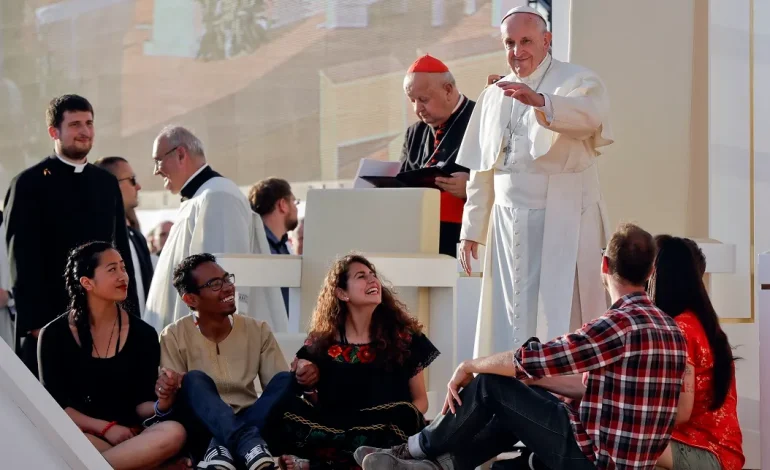

Recent surveys and reader feedback reveal that young Catholics are redefining what it means to live a life of faith in the twenty-first century. Many respondents describe their faith as personal, participatory, and socially aware. Rather than focusing solely on traditional rituals, they value authenticity, compassion, and community engagement. Younger believers seek a relationship with the Church that allows open dialogue on social issues while remaining anchored in spiritual truth. Their voices reflect a new generation of believers striving to integrate moral conviction with global citizenship.
Balancing Tradition and Modern Life
Readers between the ages of eighteen and thirty-five emphasize the challenge of maintaining spiritual discipline in a fast-paced and secular world. Many admire the Church’s moral teachings but find them difficult to apply amid social media influence and digital distraction. Young Catholics express a desire for the Church to communicate its message in ways that resonate with modern realities while preserving theological depth. They appreciate efforts by parish communities and Catholic universities to make faith education more interactive and relatable.
Faith, Purpose, and Mental Well-being
A large number of young respondents connect faith to emotional and mental resilience. They describe prayer, reflection, and community service as essential supports for personal stability in a time of uncertainty. Readers highlight that faith offers a foundation for meaning that counters the emptiness often felt in digital and consumer-driven culture. Many urge Church leaders to prioritize mental health awareness in pastoral work, framing it as part of holistic spiritual care. This blending of faith and psychology is seen as vital for modern spiritual development.
Social Engagement and Moral Activism
Young Catholics express strong interest in applying their beliefs to social action. Surveys show that environmental protection, social equality, and economic fairness rank among the top priorities for young believers. Many participate in volunteer programs and global outreach initiatives organized by Church institutions. Respondents view activism as an authentic form of prayer through action. They call for Church leadership to support their energy for reform and justice while providing moral guidance rooted in faith.
Digital Culture and Faith Expression
Technology plays a central role in shaping how young Catholics live and communicate their beliefs. Social media platforms serve as spaces for evangelization, discussion, and mutual support. Many respondents create or follow faith-based digital content to stay connected with the Church. At the same time, they express concern about misinformation, polarization, and the superficial nature of online spirituality. Readers advocate for Church media initiatives that foster thoughtful dialogue rather than simple slogans. Faith in the digital era, they believe, must combine creativity with depth.
Inclusion, Diversity, and Global Dialogue
Young readers emphasize inclusion as a vital aspect of the modern Church. They advocate for greater recognition of cultural diversity and equal participation across gender and social backgrounds. Respondents describe faith as a universal language that should unite rather than divide. Many praise the Church’s global outreach through humanitarian and educational programs that engage young leaders from different regions. The sentiment among respondents is that inclusivity strengthens both the moral authority and social relevance of the Church.
Educational Reform and Youth Empowerment
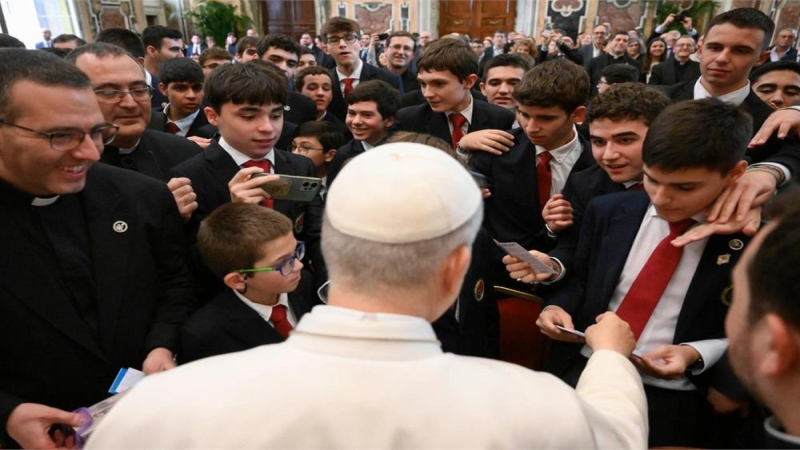
Reader feedback highlights the importance of education as a vehicle for strengthening faith among youth. Young Catholics request more opportunities for leadership training, ethical entrepreneurship, and community dialogue within Church institutions. Programs that integrate academic learning with moral reflection are highly valued. Respondents note that the combination of spiritual formation and practical education equips them to live responsibly in a complex world. Empowerment through education is viewed as an expression of faith that transforms society.
Spirituality Beyond Ritual
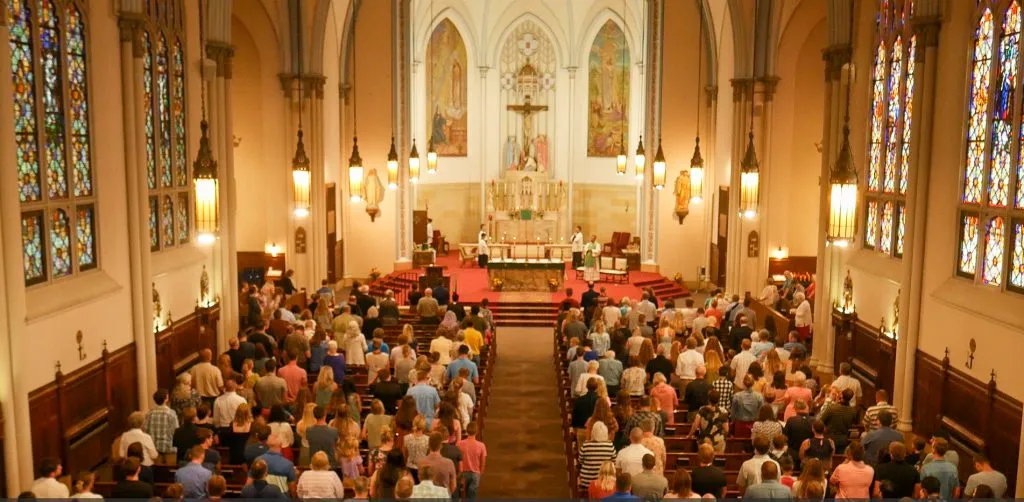
While young Catholics respect liturgical traditions, many emphasize that spirituality extends beyond attendance at religious services. They describe encounters with faith through acts of kindness, creative expression, and daily reflection. Respondents seek spaces for contemplation that combine silence, art, and community dialogue. This broader view of spirituality reflects an understanding of faith as dynamic and experiential. The feedback suggests that young believers are not rejecting tradition but reshaping how they experience its meaning.
Hope and the Future of the Church
The dominant emotion across all youth responses is cautious optimism. Young Catholics believe that the Church can evolve without losing its sacred core. They express hope that leadership will continue to listen to their voices and integrate their perspectives into decision-making. The consistent theme is that renewal must grow from trust and participation. Faith, in their view, remains not only relevant but essential in building a just and compassionate modern society.