

When Doctrine Meets Law: The Vatican’s Expanding Role in Global Policy Debates
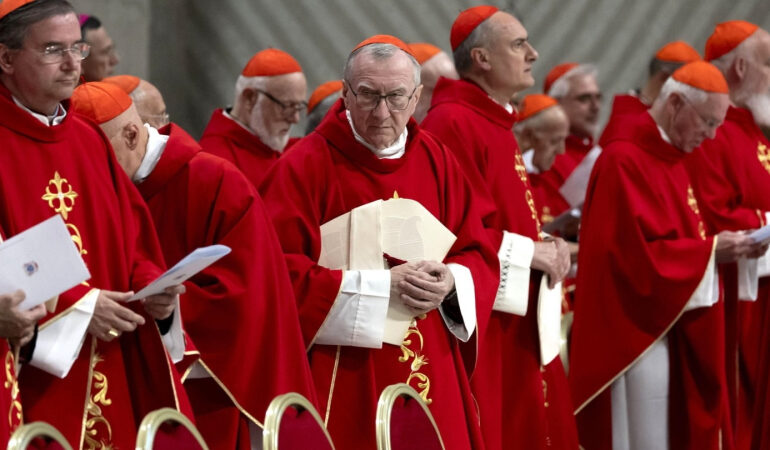

As legal systems around the world evolve, the Vatican has found itself increasingly present in global policy debates where moral principles intersect with civil law. These discussions are not new to the Church, but their scope and visibility have expanded in recent years. Questions surrounding human dignity, religious freedom, migration, bioethics, and social justice now place doctrine and law in closer conversation than ever before.
The Vatican’s role in these debates is often misunderstood as political intervention. In reality, its engagement reflects a long standing tradition of offering moral guidance rather than legislative authority. When doctrine meets law, the Vatican seeks to articulate ethical principles that can inform public reasoning without imposing confessional control.
Doctrine as a Moral Reference, Not a Legal Code
Catholic doctrine does not function as a legal system, yet it offers a moral framework that addresses universal human concerns. When the Vatican enters policy discussions, it does so by emphasizing principles such as human dignity, the common good, and the protection of the vulnerable. These principles are presented as ethical reference points rather than binding rules.
This distinction is crucial. The Vatican does not seek to replace civil law with religious norms. Instead, it argues that laws disconnected from moral reasoning risk undermining justice. Doctrine provides language for evaluating whether legal frameworks serve humanity or reduce it to utility or power.
By maintaining this moral stance, the Vatican preserves its credibility as a voice of conscience rather than a political actor.
Legal Debates Shaped by Global Ethics
The Vatican’s engagement has expanded partly because many modern legal debates carry global consequences. Issues such as migration policy, human trafficking, environmental responsibility, and bioethical regulation transcend national boundaries. These topics invite moral reflection that goes beyond technical legality.
In international forums, the Vatican often emphasizes ethical consistency. It highlights how legal decisions affect real lives, especially those with limited power. This approach reframes policy debates by centering human impact rather than ideological alignment.
As global governance becomes more interconnected, moral perspectives gain relevance. The Vatican’s participation reflects recognition that ethical considerations are essential to sustainable legal systems.
Religious Freedom and Legal Pressure
One area where doctrine and law frequently intersect is religious freedom. Legal frameworks in various regions increasingly test the boundaries of conscience, belief, and public expression. The Vatican’s voice in these debates emphasizes the importance of protecting freedom of belief as a foundation of human dignity.
This engagement is not limited to Catholic interests. It extends to the defense of religious freedom broadly understood. By grounding its arguments in universal human rights rather than confessional privilege, the Vatican seeks to build coalitions across belief systems.
Legal pressure on religious expression often signals deeper tensions within society. The Vatican’s involvement highlights the need for laws that accommodate pluralism without marginalizing faith.
Diplomacy as the Bridge Between Doctrine and Law
Diplomacy plays a central role in how the Vatican engages legal debates. Through dialogue rather than confrontation, the Holy See participates in international discussions where moral reasoning can shape outcomes. This diplomatic approach reflects an understanding that persuasion is more effective than assertion.
By working within international institutions, the Vatican translates doctrinal principles into ethical language accessible to secular audiences. This translation allows doctrine to inform policy without demanding theological agreement.
Such diplomacy requires patience and restraint. Influence is measured not by immediate outcomes, but by the ability to keep moral questions present within legal discourse.
Challenges and Misinterpretations
The Vatican’s expanding role also brings challenges. Its interventions are sometimes framed as attempts to influence law unduly or to resist social change. These interpretations often overlook the Church’s consistent emphasis on moral reasoning rather than control.
Maintaining credibility requires clarity of purpose. When the Vatican communicates its role effectively, it reinforces the distinction between ethical guidance and political authority. Failure to communicate this distinction can lead to misunderstanding and resistance.
Navigating these tensions is an ongoing task. It demands careful articulation of principles and respect for the autonomy of civil institutions.
Conclusion
When doctrine meets law, the Vatican’s expanding role reflects a commitment to ethical engagement rather than political power. By offering moral perspectives on global policy debates, it seeks to humanize legal systems and defend dignity in complex contexts. This engagement underscores the enduring relevance of ethical reasoning in shaping laws that serve the common good.