

Why Catholic Communities in the Global South Are Influencing the Next Phase of Church Governance
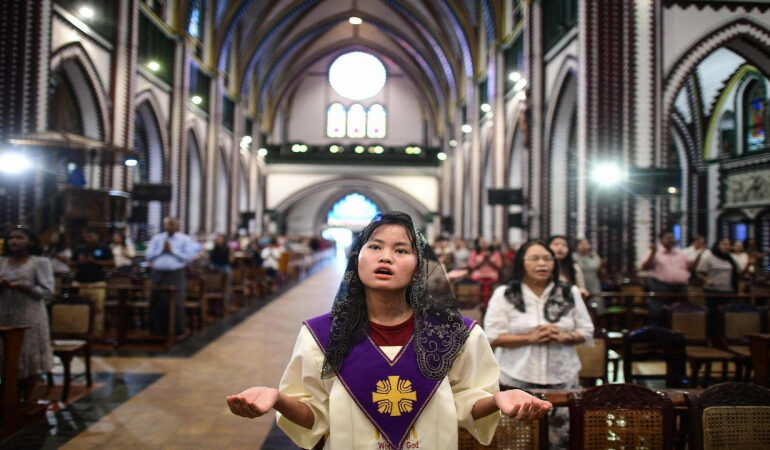

Catholic communities in the Global South are becoming increasingly influential in shaping the future of Church governance. Demographic growth, vibrant expressions of faith and active participation in social and pastoral initiatives have positioned these regions as central contributors to global Catholic identity. As the Church continues to expand across Africa, Asia and Latin America, leaders are paying closer attention to how these communities shape pastoral priorities, governance structures and missionary outreach.
Their influence reflects a broader shift in the Church’s geographical and cultural landscape. While Catholic populations in many Western countries have declined, communities in the Global South have grown rapidly, bringing new perspectives and new expectations to questions of leadership and governance. This shift is prompting the Church to reevaluate how decisions are made and how diverse voices are integrated into its global mission.
Demographic Growth and Its Governance Implications
The most significant factor driving influence from the Global South is demographic strength. A majority of the world’s Catholics now live in regions that were once considered mission territories. This growth expands the Church’s pastoral responsibilities and elevates the importance of regional perspectives in shaping global policies.
As communities grow, bishops from these areas contribute more actively to synods and international gatherings. Their insights often reflect local realities such as economic inequality, rapid urbanization and challenges affecting families and youth. These experiences help shape governance priorities that respond not only to European or North American contexts but to a truly global Church.
Demographic change also influences the formation of future clergy and religious leaders. Many seminaries and vocations in the Global South are flourishing, creating a new generation of Church leadership that will play a stronger role in governance decisions for decades to come.
This shift is not merely numerical. It reflects the Church’s evolving identity as a community that draws energy and renewal from regions where faith is practiced with strong communal ties and deep spiritual engagement.
Pastoral Priorities Rooted in Local Realities
Catholic communities in the Global South often face social and economic challenges that require strong pastoral leadership. Issues such as poverty, environmental degradation, migration and political instability shape the daily lives of many believers. As a result, bishops and pastoral leaders in these regions prioritize advocacy, community support and initiatives aimed at human development.
These priorities increasingly inform global governance discussions. The Church recognizes that addressing structural injustice and supporting vulnerable populations are central to its mission. Governance structures that reflect these concerns help ensure that global decision making aligns with the lived experiences of millions of faithful.
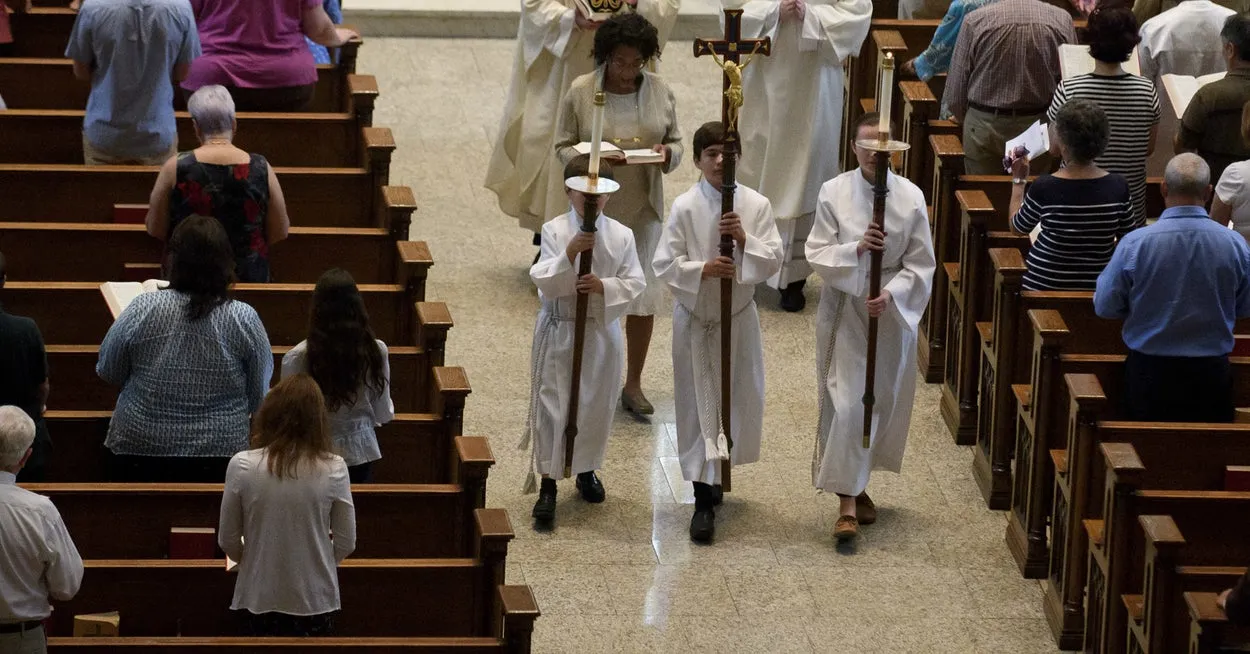
Pastoral approaches from the Global South also highlight community based practices that strengthen parish life. Vibrant liturgies, lay leadership participation and strong social ministries are characteristics that inspire initiatives far beyond the regions where they originated.
Expanding Influence Through Synodality and Collaboration
The Church’s current emphasis on synodality has created new pathways for voices from the Global South to shape governance. Synodal processes encourage listening, consultation and collaboration among bishops, clergy and laypeople. These principles resonate strongly in regions where community involvement is already central to Church life.
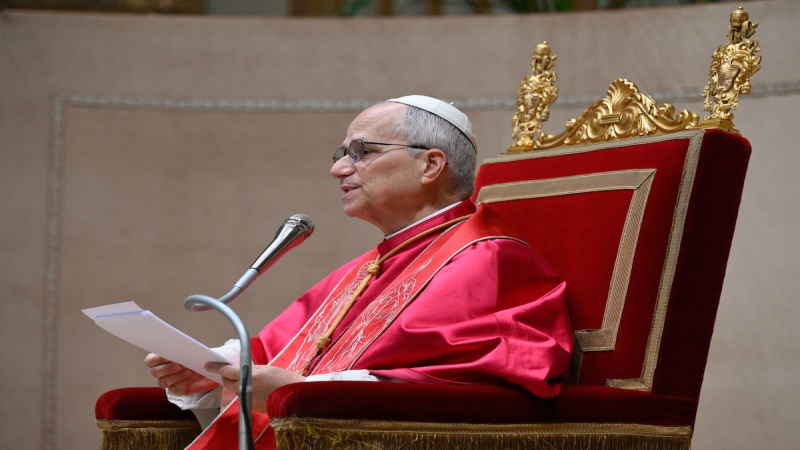
Participation in synods and global assemblies allows leaders from Africa, Asia and Latin America to contribute directly to discussions about governance reform. Their perspectives help broaden the Church’s understanding of pastoral needs and provide insight into how global decisions can support local realities.
This collaborative approach also encourages unity within the global Church. As diverse communities share experiences and insights, the Church develops a richer understanding of its mission and responsibilities.
Cultural Contributions Shaping Church Identity
Cultural expressions of faith originating in the Global South have also enriched the Church’s spiritual life. Music, devotional practices and community celebrations offer new ways of experiencing liturgy and communal prayer. These expressions are increasingly recognized as valuable contributions that strengthen the Church’s universality.
Cultural diversity influences governance by encouraging leaders to consider how policies can support local traditions while maintaining doctrinal unity. This balance affirms the Church’s identity as both universal and deeply rooted in local cultures.
Conclusion
Catholic communities in the Global South are shaping the future of Church governance through demographic growth, pastoral leadership and active participation in synodal processes. Their influence reflects the evolving global identity of the Church and highlights the importance of ensuring that governance structures reflect the experiences of all believers.