

Why Catholic Institutions Still Matter in Fragmented Societies


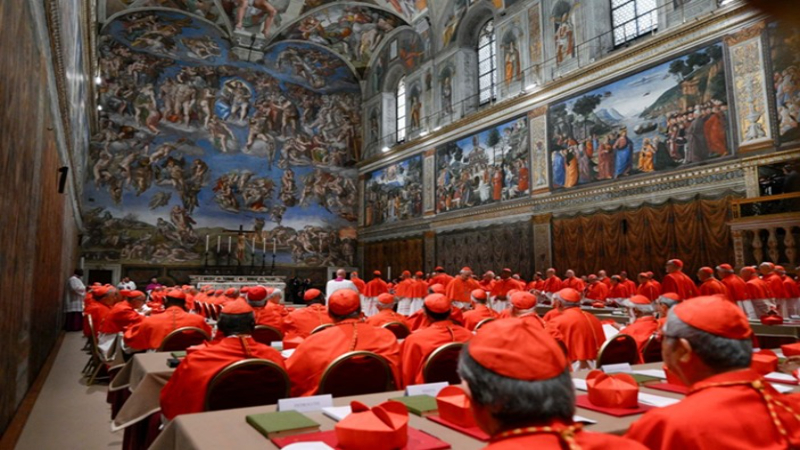
Modern societies are increasingly fragmented. Political polarization, cultural division, and declining trust in public institutions have reshaped how communities function. In many places, shared spaces that once fostered common identity have weakened or disappeared. Amid this fragmentation, Catholic institutions continue to play a quiet but significant role in sustaining social cohesion.
Rather than positioning themselves as alternatives to society, Catholic institutions often function as stabilizing anchors within it. Schools, hospitals, charities, and parishes provide continuity in environments marked by division. Their relevance today lies not in visibility, but in their capacity to serve across boundaries of belief, background, and ideology.
Institutions Rooted in Service Rather Than Identity
Catholic institutions are defined first by service. While grounded in faith, their mission extends beyond internal community boundaries. Education, healthcare, and social services are offered to all, regardless of religious affiliation.
This service oriented identity allows Catholic institutions to operate within diverse societies without demanding uniformity. They contribute to the common good by addressing concrete needs rather than advancing cultural agendas. In fragmented societies, this practical focus builds trust where ideology often fails.
Stability in an Era of Institutional Distrust
Public trust in institutions has declined sharply in many regions. Scandals, inefficiency, and politicization have weakened confidence. Catholic institutions often endure because they are embedded in local communities and sustained by long term commitment.
Their stability comes from continuity of mission rather than constant reinvention. Even when leadership changes, the underlying purpose remains consistent. This reliability provides reassurance in societies where institutional permanence has become rare.
Education as a Space for Shared Formation
Catholic schools continue to matter because they offer formation alongside instruction. In a fragmented cultural environment, education often becomes transactional. Catholic education emphasizes character, responsibility, and moral reasoning in addition to academic achievement.
This approach creates shared formation across social differences. Students encounter values that promote respect and human dignity. Such environments contribute to social cohesion by fostering habits of dialogue and responsibility that extend beyond the classroom.
Healthcare and the Ethics of Care
Catholic healthcare institutions occupy a critical space in fragmented societies. They approach care as a moral responsibility rather than a commodity. This perspective shapes how patients are treated, particularly the vulnerable and marginalized.
In environments where access to care is uneven, Catholic hospitals and clinics often fill essential gaps. Their presence affirms the principle that human dignity does not depend on economic or social status. This ethical consistency reinforces trust across divided communities.
Charitable Presence Beyond Political Lines
Catholic charities frequently operate where public systems are strained. Food programs, shelters, and support services respond to immediate need without political conditions. This neutrality allows them to serve across ideological divides.
In fragmented societies, such non partisan presence matters. Charity becomes a point of connection rather than division. Catholic institutions demonstrate that compassion can remain credible even when consensus is absent.
Parishes as Local Anchors
Parishes remain among the most locally embedded institutions in many communities. They function as gathering spaces where people encounter one another beyond social categories. Worship, service, and shared ritual create continuity.
This local presence counters isolation. Parishes offer rhythms of belonging that do not depend on cultural agreement. In fragmented societies, these rhythms support social bonds that are otherwise difficult to sustain.
Limitations and Ongoing Challenges
Catholic institutions are not immune to pressure. Financial strain, cultural misunderstanding, and declining participation present real challenges. Their continued relevance depends on integrity, accountability, and faithful service.
Yet these challenges do not erase their importance. Where institutions remain rooted in mission rather than reaction, they continue to offer something rare: stable service in unstable environments.
Conclusion
Catholic institutions still matter in fragmented societies because they serve without demanding conformity. Through education, healthcare, charity, and community life, they provide continuity where cohesion has weakened. Grounded in service and moral responsibility, these institutions remain vital contributors to social stability in a world increasingly shaped by division.