
Why Doctrine Not Politics Is Back at the Center of Vatican Messaging
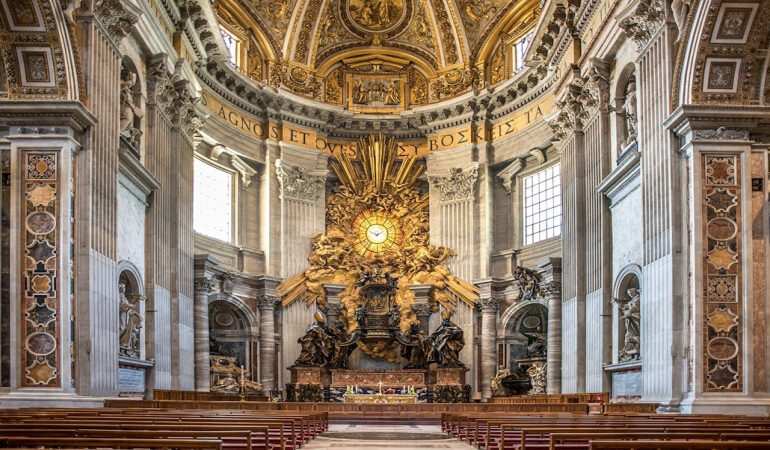

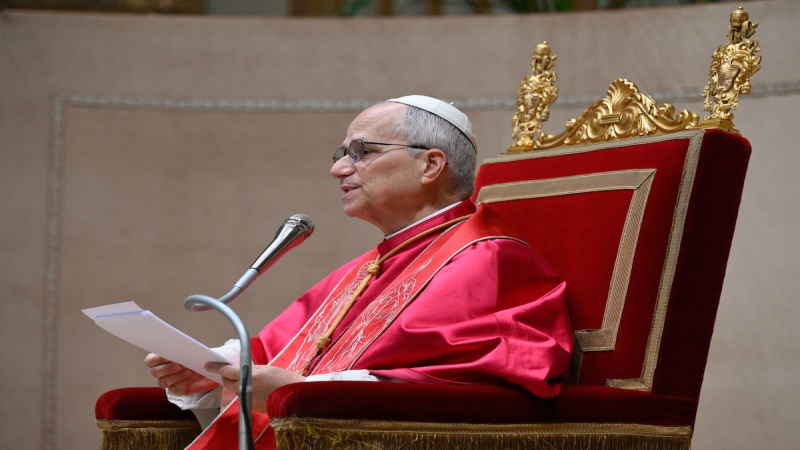
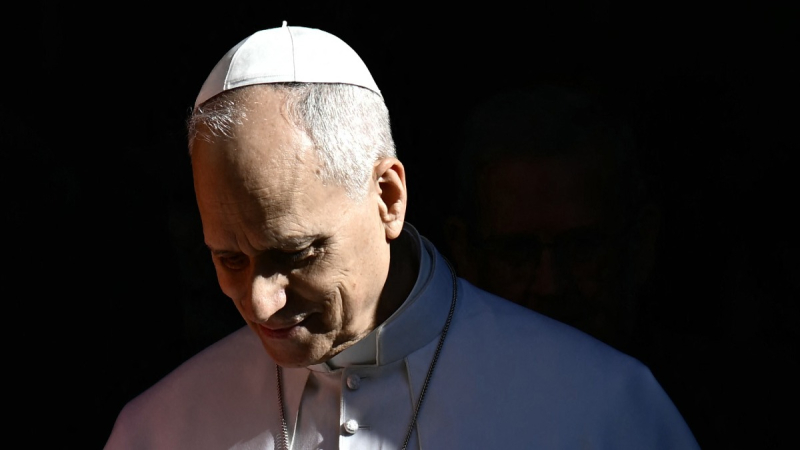
In recent years, Vatican communication has often been interpreted through political or cultural lenses. Statements were frequently analyzed for their alignment with global debates rather than their theological substance. As the Church enters a new phase under the leadership of Pope Leo XIV, a noticeable shift is taking place. Vatican messaging is increasingly centered on doctrine, faith, and spiritual formation rather than political positioning.
This change reflects a deliberate recalibration rather than a reaction. The Vatican is not withdrawing from the world’s concerns, but it is redefining how it engages them. By returning doctrine to the center of its communication, the Church emphasizes that its primary mission is theological and pastoral. This approach aims to ground public discourse in belief rather than ideology, offering clarity at a time when religious voices are often drawn into political narratives.
Doctrine as the Foundation of the Church’s Public Voice
At the heart of this shift is a renewed understanding of doctrine as the Church’s foundation. Doctrine provides the framework through which moral teaching, social concern, and pastoral care are expressed. By foregrounding doctrine, the Vatican reinforces the idea that Catholic engagement with the world flows from faith, not from political alignment.
This emphasis restores hierarchy to Church communication. Theology shapes ethics, and ethics inform action. When doctrine is clear, the Church’s positions on social issues are understood as extensions of belief rather than responses to political trends. This clarity strengthens credibility and reduces confusion among the faithful.
Reducing the Risk of Political Interpretation
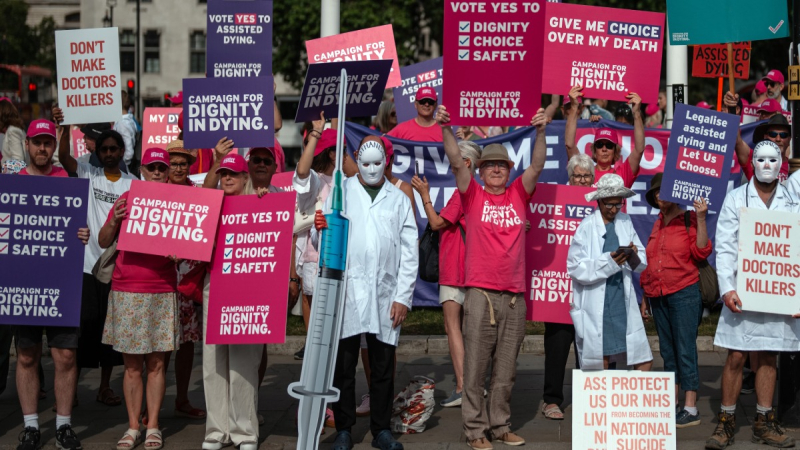
One reason for re centering doctrine is the growing tendency to interpret Vatican statements politically. In a polarized global environment, even pastoral language can be reframed as ideological messaging. By speaking more explicitly in theological terms, the Vatican limits misinterpretation.
Doctrinal language anchors communication in timeless principles rather than current debates. It allows the Church to address moral issues without appearing partisan. This shift does not silence the Church’s voice on justice or human dignity. Instead, it clarifies the source of that voice and preserves its independence.
Strengthening Teaching and Catechesis
The return to doctrinal focus also has internal implications. Clear messaging supports catechesis, preaching, and formation across the global Church. When Vatican communication prioritizes doctrine, it provides bishops, priests, and educators with a consistent reference point.
This consistency is particularly important in a global Church marked by diversity. Shared doctrine allows local churches to adapt pastorally without drifting theologically. By reinforcing teaching at the center, the Vatican supports unity rooted in belief rather than uniform practice.
A Long Term Strategy for Moral Authority
Placing doctrine before politics also reflects a long term view of moral authority. Political relevance can be fleeting, but theological clarity endures. By focusing on doctrine, the Vatican positions itself as a stable moral voice that transcends electoral cycles and policy debates.
This strategy preserves the Church’s ability to speak across generations. It ensures that engagement with social issues remains grounded in faith rather than shaped by immediate pressures. Over time, this approach may strengthen trust in Vatican communication as principled rather than reactive.
Conclusion
The renewed focus on doctrine signals a deliberate shift in how the Vatican communicates with the world. Under Pope Leo XIV, faith and teaching are reclaiming their place at the center of Church messaging. By grounding its voice in doctrine rather than politics, the Vatican reinforces clarity, unity, and moral authority. This approach offers a stable foundation for engaging global challenges while remaining faithful to the Church’s core mission.