
Why Moral Teaching, Not Politics, Remains the Church’s Hardest Conversation
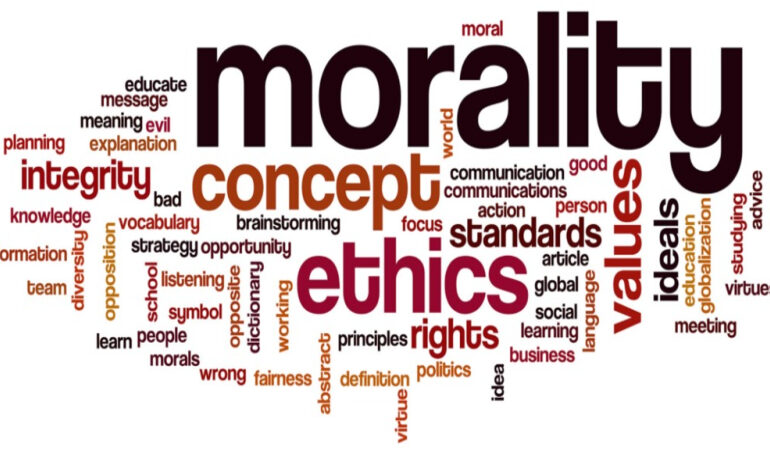

Public attention often focuses on the Church’s engagement with politics, yet the most difficult conversations within Catholic life tend to revolve around moral teaching rather than political alignment. Moral questions touch personal behavior, conscience, family life, and social responsibility, making them deeply intimate and often contested. Unlike politics, which changes with systems and leaders, moral teaching addresses enduring questions about how Catholics are called to live.
This reality places moral teaching at the center of tension within the global Church. Catholics across cultures wrestle with how timeless principles intersect with modern circumstances. These conversations are challenging precisely because they demand reflection, discipline, and sometimes personal sacrifice, rather than external agreement or partisan loyalty.
Moral Teaching as a Personal Encounter
Moral teaching differs from political discourse because it confronts the individual directly. It speaks to choices made in private as well as public life. While political debates often allow distance or abstraction, moral teaching invites self examination and conversion.
For many Catholics, this personal dimension makes moral teaching uncomfortable. It challenges habits, priorities, and assumptions shaped by culture. When moral guidance conflicts with prevailing social norms, the tension becomes internal rather than ideological.
This personal encounter explains why moral teaching can provoke stronger reactions than political statements. It asks believers not simply to agree, but to change, and that demand can feel demanding in an age that prizes autonomy.
Politics Changes, Moral Teaching Endures
Political systems evolve rapidly, responding to shifting public opinion and historical circumstance. Moral teaching, by contrast, is rooted in enduring principles about human dignity, responsibility, and the common good. This difference in timescale often creates misunderstanding.
When the Church speaks on moral issues, it is not attempting to enter political competition. Its aim is to articulate principles that transcend any single moment. Yet in polarized societies, moral teaching is often interpreted through political lenses, obscuring its deeper intent.
This misinterpretation places the Church in a difficult position. Remaining faithful to moral teaching can appear countercultural or partisan even when the intent is pastoral and universal. The resulting tension highlights the challenge of communicating moral truth in politicized environments.
Conscience, Formation, and Moral Clarity
Another reason moral teaching remains difficult is its relationship with conscience. Catholic tradition affirms the importance of conscience, but also insists that conscience must be formed rather than left to personal preference. This balance is not easily understood or accepted.
In practice, many moral disagreements stem from gaps in formation rather than rejection of faith. Without clear teaching and patient explanation, moral guidance can feel arbitrary or disconnected from lived experience. When formation is weak, appeals to conscience risk becoming justifications rather than discernment.
Moral clarity does not require harshness. It requires explanation that connects teaching to human flourishing. When moral teaching is presented with coherence and compassion, it becomes more credible, even when it remains challenging.
The Church’s Role Beyond Political Alignment
The Church’s mission is not to endorse political programs, but to offer moral orientation. This role places it at a critical distance from power structures. By maintaining this distance, the Church preserves its ability to speak to all people rather than aligning with particular interests.
Moral teaching serves as a corrective to political reductionism. It reminds society that not all questions can be resolved through policy alone. Issues of dignity, justice, and responsibility require moral reflection that transcends legislation.
This independence often invites criticism. Yet it also protects the Church’s voice from becoming merely another participant in political competition. Moral teaching remains difficult precisely because it refuses to be simplified.
Why the Conversation Persists
Despite discomfort, moral teaching remains central to Catholic life because it shapes identity and witness. A Church that avoids moral questions risks losing coherence. A Church that engages them faithfully, even amid disagreement, maintains integrity.
The persistence of this conversation reflects the Church’s commitment to truth as something lived, not merely debated. Moral teaching continues to challenge believers to integrate faith into everyday life rather than compartmentalizing it.
This ongoing struggle is not a sign of failure. It is evidence of a faith that takes human freedom seriously and invites continual growth.
Conclusion
Moral teaching remains the Church’s hardest conversation because it addresses the heart of personal and communal life. Unlike politics, it calls for reflection, formation, and conversion rather than alignment. By remaining faithful to moral teaching with clarity and compassion, the Church continues to offer guidance that transcends political cycles and speaks to the deeper dimensions of human dignity.