

Why Papal Teaching on Mercy Remains Central to Modern Catholic Identity

Mercy has long stood at the heart of Catholic belief, shaping how the Church understands God, humanity, and moral responsibility. In the modern era, papal teaching continues to present mercy not as a secondary virtue but as a defining expression of Christian identity. At a time when societies are marked by division, judgment, and exclusion, the Church’s emphasis on mercy offers a unifying moral foundation rooted in the Gospel.
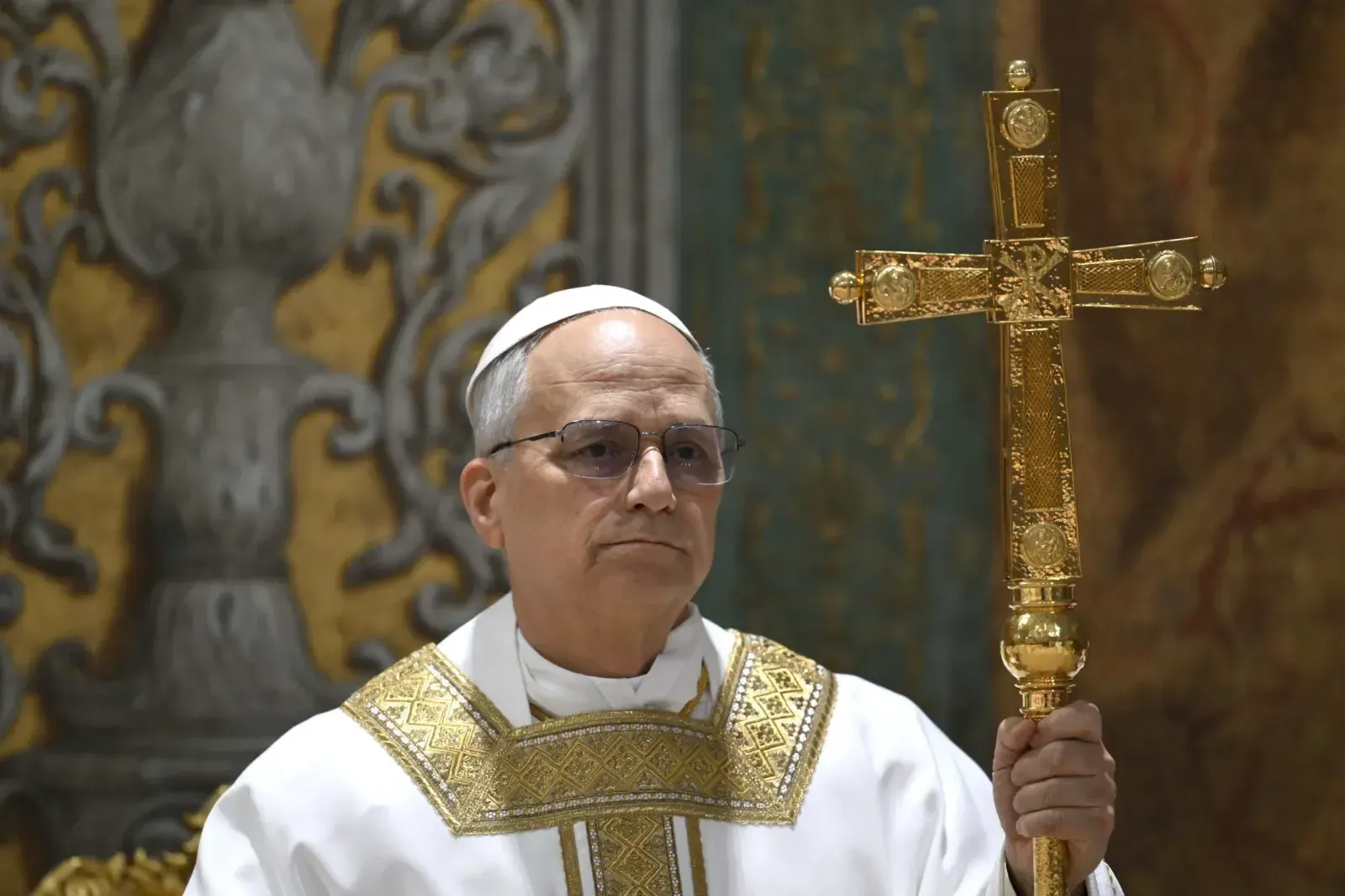
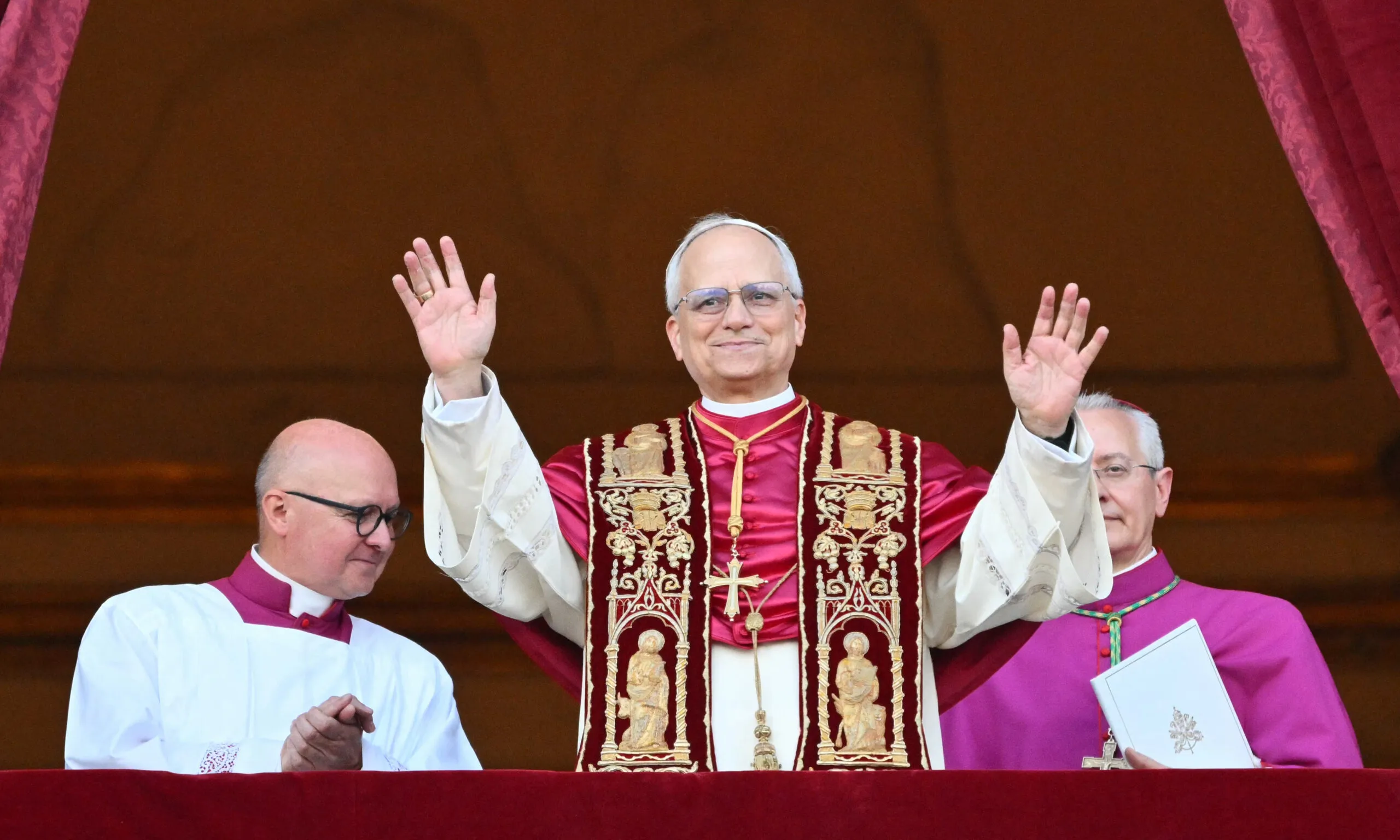
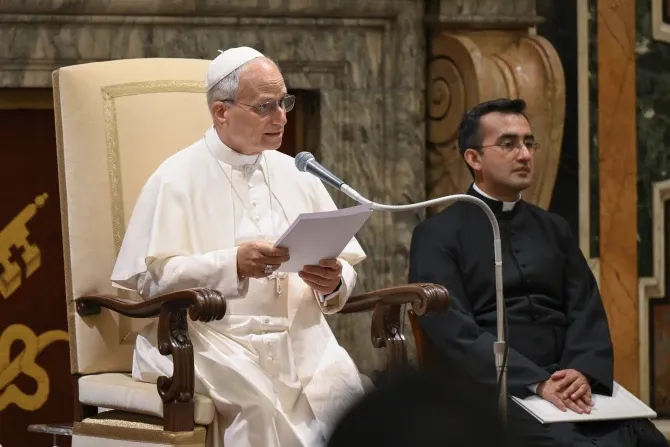
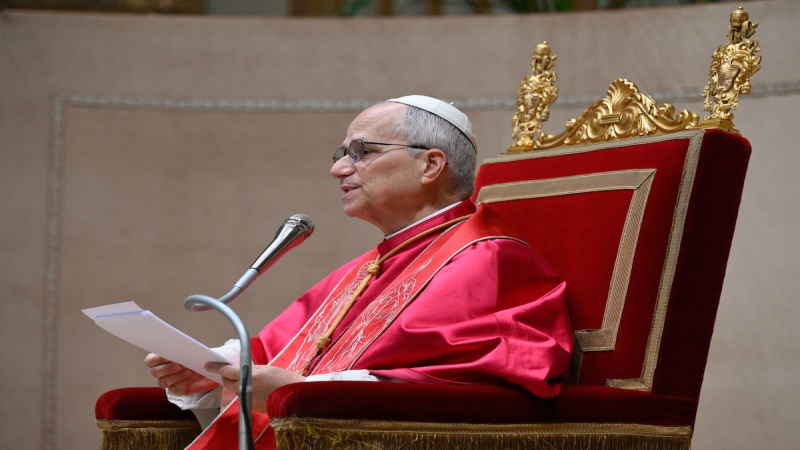
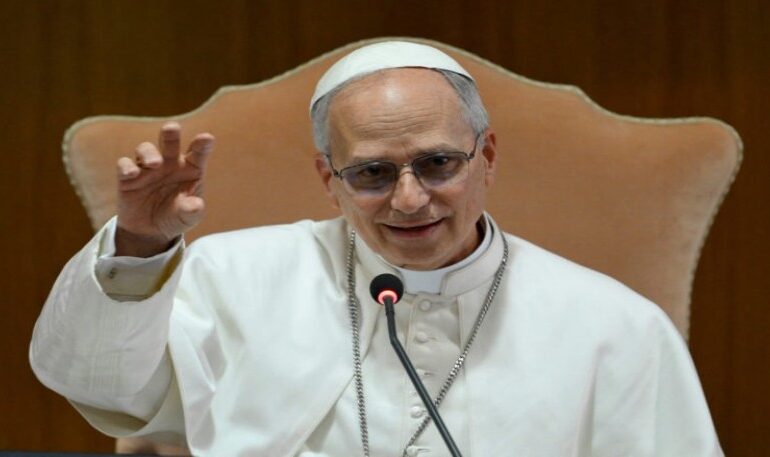
Under the leadership of Pope Leo XIV, the Church has reaffirmed mercy as essential to its spiritual mission and public witness. Rather than treating mercy as a purely personal devotion, papal teaching frames it as a guiding principle for how Catholics engage with one another and the wider world. This perspective reinforces mercy as both a theological truth and a lived practice shaping Catholic identity today.
Mercy as a Foundation of Catholic Teaching
Mercy occupies a central place in Catholic theology because it reflects the nature of God as revealed in Scripture and tradition. Papal teaching consistently emphasizes that God’s mercy is not opposed to justice but fulfills it through love and restoration. This understanding shapes how Catholics approach repentance, forgiveness, and moral growth.
By placing mercy at the core of doctrine, the Church presents faith as an invitation rather than a barrier. Pope Leo XIV has highlighted that mercy allows the Church to remain faithful to truth while responding compassionately to human weakness. This balance helps Catholics see moral teaching as oriented toward healing and transformation rather than condemnation.
Shaping Catholic Identity in a Complex World
In contemporary society, many people struggle with alienation from religious institutions. Papal teaching on mercy addresses this reality by affirming that every person retains inherent dignity, regardless of circumstance. This message resonates deeply in cultures marked by social exclusion and moral polarization.
Mercy shapes Catholic identity by encouraging openness without relativism. It calls believers to uphold moral truth while remaining attentive to personal stories and struggles. Through this approach, the Church presents itself as a community that accompanies rather than excludes, strengthening its relevance in a rapidly changing world.
Mercy in Pastoral Practice and Church Life
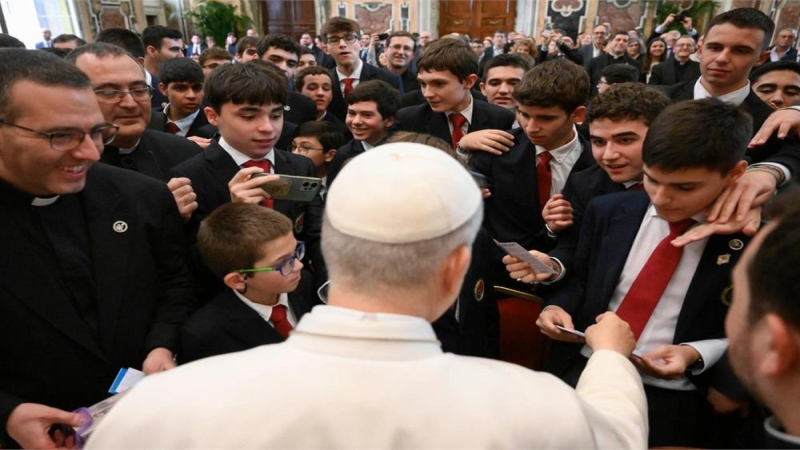
Papal teaching emphasizes that mercy must be visible in the daily life of the Church. This includes how parishes welcome families, how clergy engage those facing hardship, and how Church institutions serve the marginalized. Mercy is presented not as an abstract idea but as a practical commitment shaping pastoral decisions.
Pope Leo XIV has encouraged Church leaders to exercise discernment rooted in compassion and responsibility. By promoting pastoral sensitivity alongside doctrinal clarity, papal guidance ensures that mercy informs how the Church teaches, listens, and serves. This integration reinforces a Catholic identity grounded in both faithfulness and care.
A Moral Witness Beyond the Church
Mercy also shapes how the Church engages the wider world. Papal teaching presents mercy as a response to global challenges such as conflict, poverty, and social fragmentation. By framing these issues in moral terms, the Church speaks to the conscience of societies beyond its own membership.
Through this lens, mercy becomes a form of moral leadership. It invites dialogue, reconciliation, and solidarity across cultural and political divides. Pope Leo XIV has emphasized that mercy strengthens the Church’s credibility by aligning its moral voice with actions that reflect compassion and responsibility on a global scale.
Conclusion
Papal teaching continues to affirm mercy as central to modern Catholic identity because it unites truth, compassion, and moral responsibility. Under Pope Leo XIV, mercy remains a guiding principle that shapes faith, pastoral practice, and the Church’s engagement with the world.