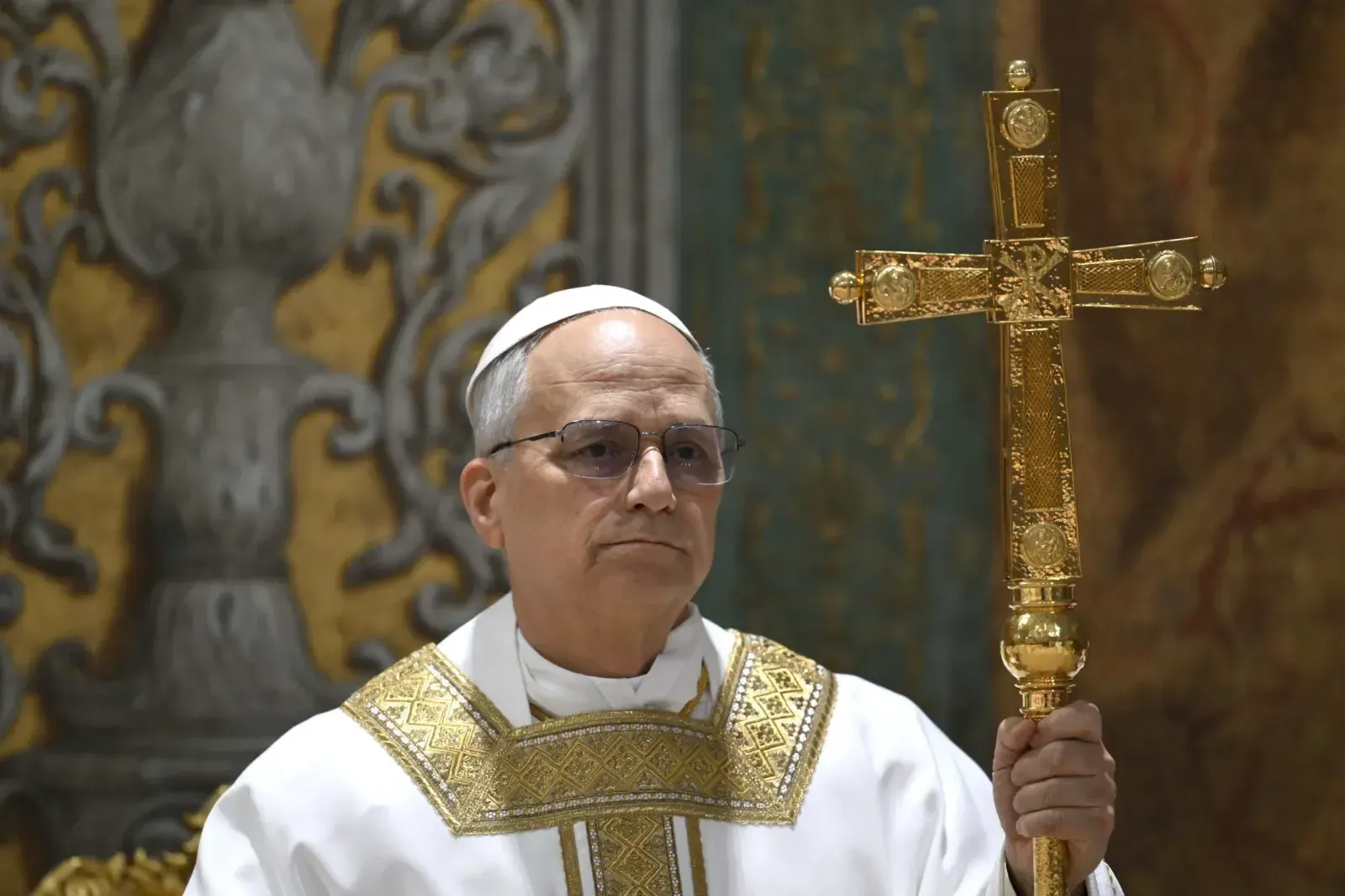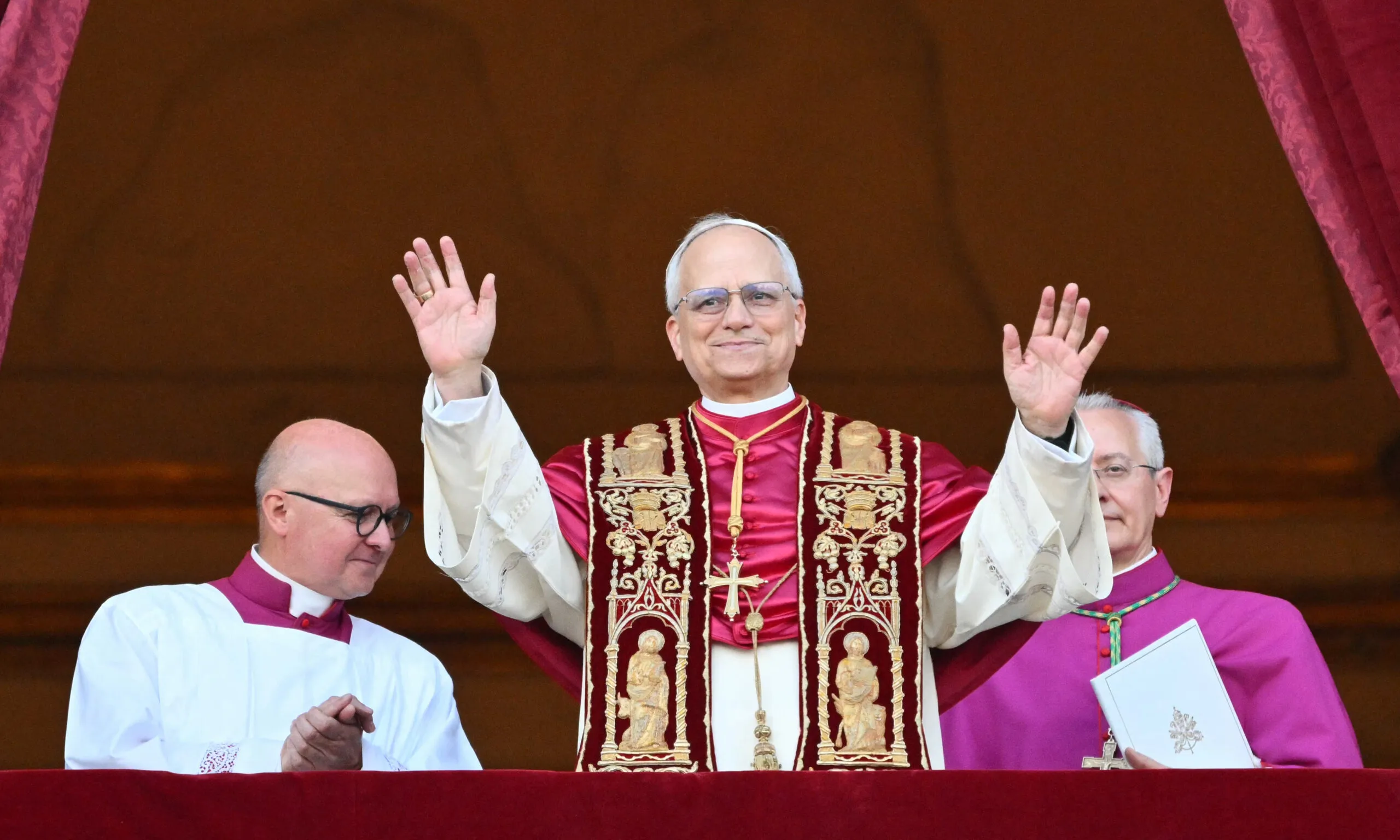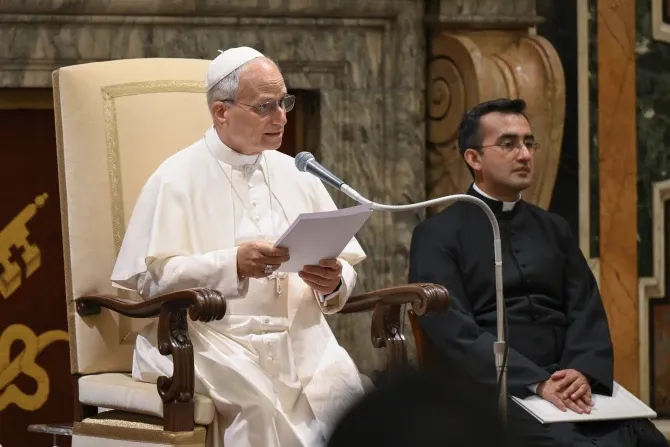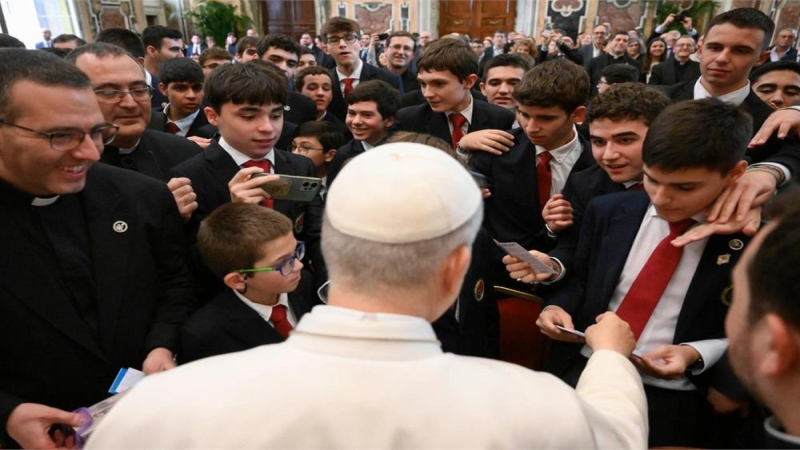
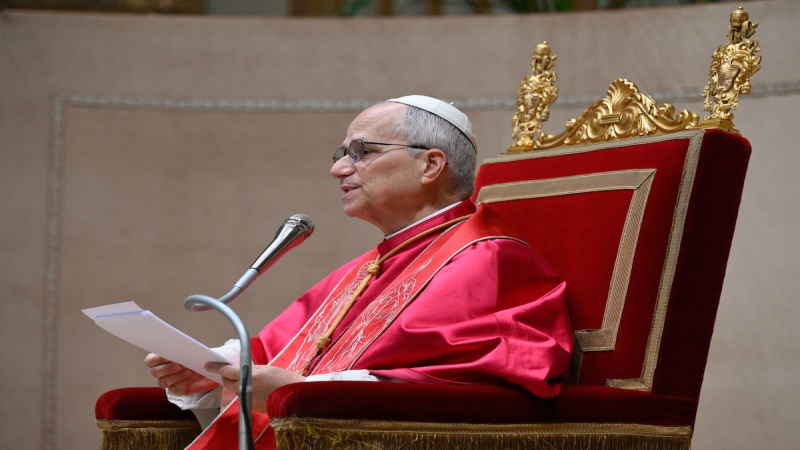


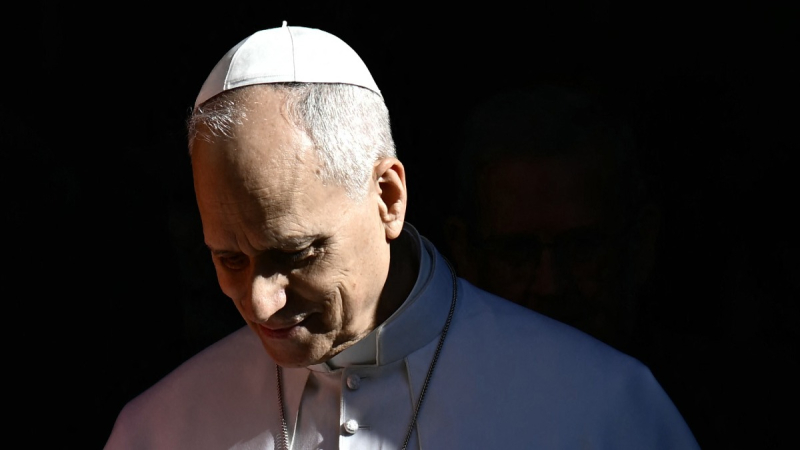
Why Pope Leo XIV Avoids Ideology While Speaking Clearly on Right and Wrong
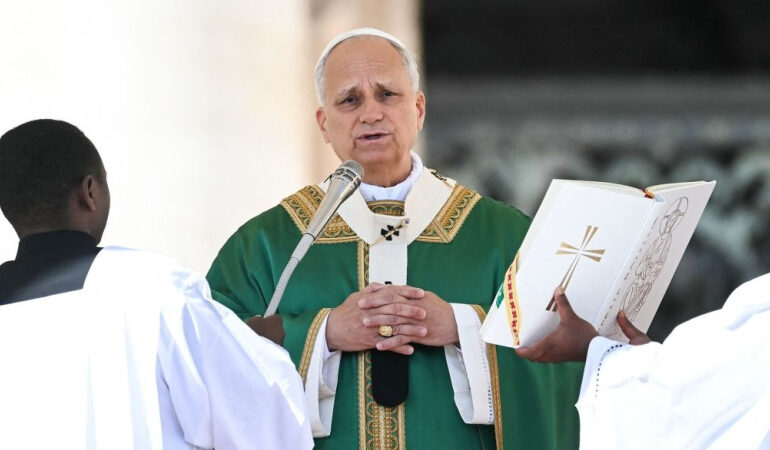

Public life today is shaped by ideology. Political, cultural, and even moral debates are often framed as contests between competing camps, each demanding loyalty and conformity. In this environment, moral clarity is frequently confused with partisanship, and silence is mistaken for evasion. Against this backdrop, the leadership style of Pope Leo XIV stands out for its deliberate refusal to operate within ideological boundaries.
Rather than aligning the Church with specific political or cultural movements, Pope Leo XIV has consistently emphasized moral principles that transcend factions. His approach reflects a conviction that the Church’s role is not to win ideological battles, but to form conscience. By separating moral judgment from partisan identity, he seeks to preserve the universality and credibility of Catholic teaching.
Moral Clarity Without Political Alignment
Pope Leo XIV speaks clearly about right and wrong, but he does so without adopting the language of political ideology. His statements focus on foundational moral principles such as human dignity, responsibility, solidarity, and the sanctity of life. These principles are not presented as policy platforms, but as ethical reference points applicable across societies and cultures.
This approach allows the Church to address moral issues without being absorbed into partisan debates. When moral teaching is framed ideologically, it risks being accepted or rejected based on political loyalty rather than truth. By avoiding this trap, Pope Leo XIV ensures that Catholic moral teaching remains accessible to people across political divides.
Clarity, in this sense, does not require alignment. It requires consistency. The Pope’s moral voice gains strength precisely because it is not tethered to changing political fortunes or cultural trends.
Why Ideology Weakens Moral Authority
Ideology simplifies complex realities into rigid frameworks. While this can be useful for mobilization, it often reduces moral questions to slogans. The Church has long resisted this reduction because moral truth, as it understands it, is rooted in the complexity of the human person and social life.
When religious leaders adopt ideological language, they risk narrowing the Church’s message and alienating those who do not share that framework. Pope Leo XIV’s avoidance of ideology reflects an awareness that moral authority depends on independence. The Church must be free to challenge all sides, not reinforce one against another.
This independence also protects the Church from becoming reactive. Ideological discourse thrives on immediacy and confrontation. Moral teaching, by contrast, requires reflection, continuity, and patience. By stepping outside ideological cycles, the Pope preserves the depth and seriousness of the Church’s moral witness.
Speaking to Conscience Rather Than Camps
A key feature of Pope Leo XIV’s leadership is his focus on conscience. Rather than addressing audiences as members of political groups, he speaks to them as moral agents capable of discernment. This reflects a long Catholic tradition that views conscience as the place where moral truth is received and acted upon.
By appealing to conscience, the Pope avoids the need to label allies and opponents. His words invite examination rather than allegiance. This makes his teaching more demanding, not less. Without ideological shortcuts, individuals are asked to engage directly with moral principles and apply them responsibly.
This approach also explains why his statements often resist easy categorization. They challenge assumptions across the spectrum, reminding listeners that moral truth cannot be reduced to party platforms or cultural narratives.
A Global Church Requires Non-Partisan Leadership
The Catholic Church is global, encompassing societies with vastly different political systems and cultural norms. Ideological alignment in one context can alienate believers in another. Pope Leo XIV’s non-partisan approach reflects an awareness of this global responsibility.
By grounding moral teaching in universal principles rather than local political debates, he ensures that the Church’s message remains coherent across borders. This strengthens the Pope’s ability to speak credibly on global issues such as conflict, poverty, and human rights without being perceived as advancing a particular political agenda.
In a polarized world, this posture allows the Church to act as a moral reference point rather than another competing voice. It preserves space for dialogue, critique, and moral reflection across divisions.
Conclusion
Pope Leo XIV avoids ideology not because he lacks moral conviction, but because he understands how easily ideology can distort moral truth. By speaking clearly about right and wrong while remaining independent of partisan frameworks, he strengthens the Church’s moral authority. His leadership demonstrates that clarity does not require alignment and that conscience, not ideology, remains the foundation of authentic moral guidance.