Why Pope Leo XIV Is Speaking Less and Governing More
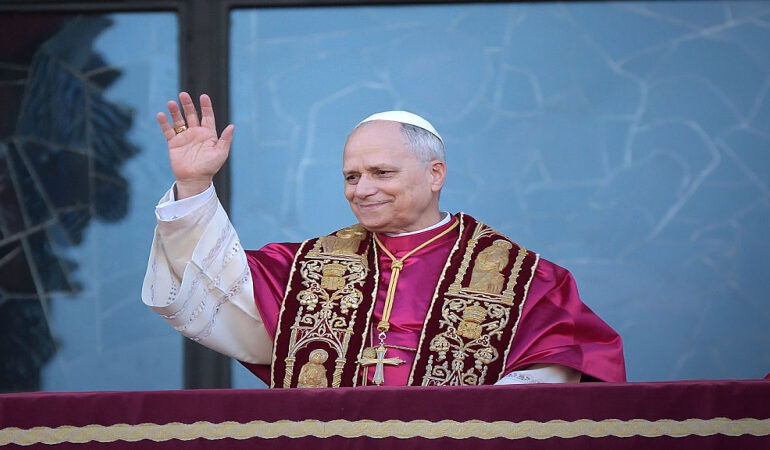

In the early months of Pope Leo XIV’s pontificate, one pattern has become increasingly clear. He is noticeably less present in constant public commentary, yet increasingly visible through governance decisions. For some observers, this restraint has been surprising in an age where leadership is often measured by frequency of speech rather than effectiveness of action.
This shift is not accidental. Pope Leo XIV appears to be redefining how authority is exercised at the papal level by prioritizing internal order, institutional clarity, and disciplined leadership. Speaking less has allowed governing more to take shape, offering insight into a papacy that values substance over visibility.
Governance as the Primary Expression of Authority
For Pope Leo XIV, authority is being expressed primarily through governance rather than public messaging. His approach suggests a belief that lasting leadership is established through decisions, structures, and consistency, not constant explanation. This marks a departure from expectations that a pope must regularly intervene in global debates.
By allowing Vatican institutions to operate with clearer mandates, the pope reinforces the idea that authority flows through systems, not just personal presence. This strengthens the Church’s internal functioning and reduces dependency on immediate papal commentary. Governance becomes the language through which direction is communicated.
Reducing Noise to Restore Institutional Focus
One effect of Pope Leo XIV’s reduced public speech is a noticeable decrease in interpretive noise. When leaders speak frequently, each statement invites speculation and reaction. By limiting his public interventions, the pope preserves the weight of his voice and reduces confusion about priorities.
This restraint also redirects attention inward, toward how the Church governs itself. Vatican departments, bishops, and Church leaders are encouraged to focus on their responsibilities rather than reacting to daily signals from Rome. Over time, this can foster greater maturity and accountability within Church leadership.
Strengthening Decision Making Through Process
Pope Leo XIV’s governing style emphasizes process and deliberation. Decisions are shaped through consultation and established channels rather than immediate response. This disciplined approach allows for more thoughtful outcomes and reduces the risk of inconsistency.
By trusting procedures, the pope reinforces the legitimacy of Church governance. Authority exercised through process rather than impulse helps ensure continuity and coherence. This approach also signals respect for the expertise and experience of those serving within Vatican structures.
Authority Without Constant Visibility
In a media-driven world, visibility is often mistaken for effectiveness. Pope Leo XIV challenges this assumption by demonstrating that authority can remain strong without constant public presence. His limited but purposeful communication suggests confidence in the Church’s mission and institutions.
When the pope does speak, the message carries greater significance. This selective communication reinforces credibility and avoids diluting authority through overexposure. It also aligns with a pastoral vision that values reflection over reaction, offering space for discernment rather than immediacy.
Implications for the Global Church
The pope’s governing-first approach has implications beyond the Vatican. Bishops and Church leaders worldwide may find greater clarity in roles and expectations. With fewer direct interventions, local leadership carries more responsibility while remaining connected to central guidance.
This balance supports unity without micromanagement. It allows the global Church to respond to local realities while operating within a coherent framework. Over time, this model may strengthen trust between Rome and local Churches by emphasizing collaboration rather than constant oversight.
Conclusion
Pope Leo XIV’s decision to speak less and govern more reflects a deliberate vision of leadership rooted in discipline, clarity, and institutional strength. By prioritizing governance over constant commentary, he is reshaping how papal authority is exercised in the modern Church. This approach affirms that enduring leadership is built through steady decision making, restrained presence, and confidence in the structures that sustain the Church’s mission across the world.