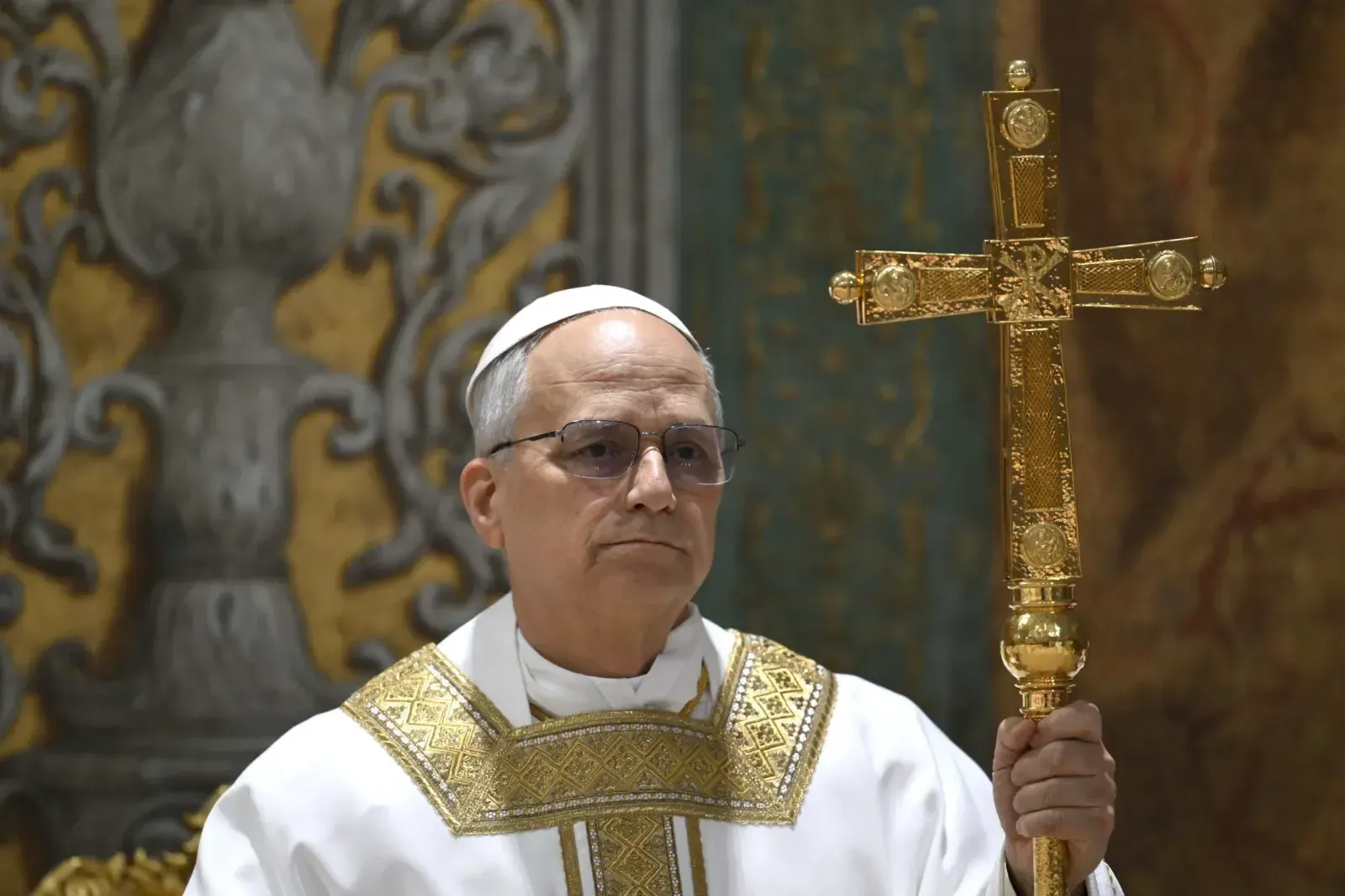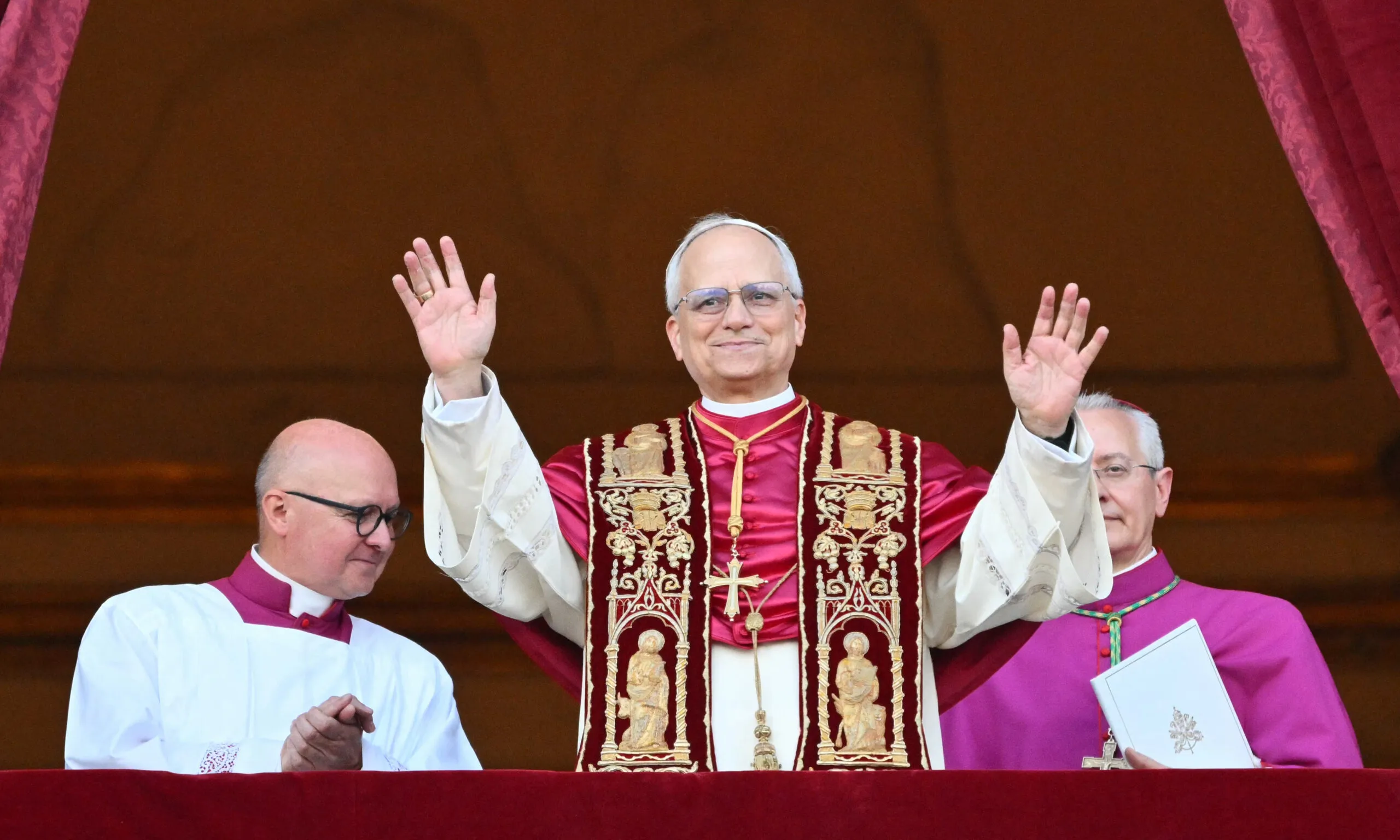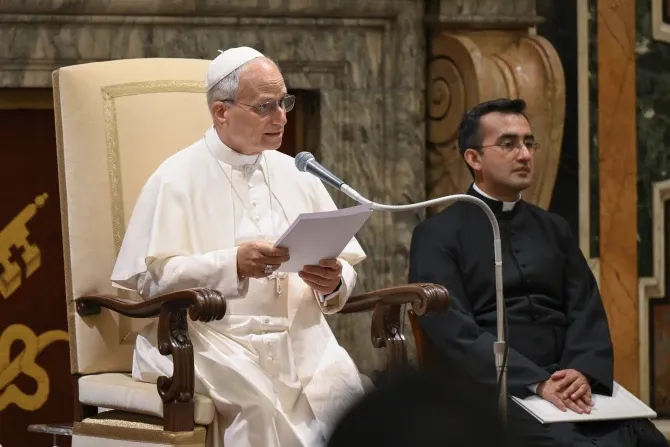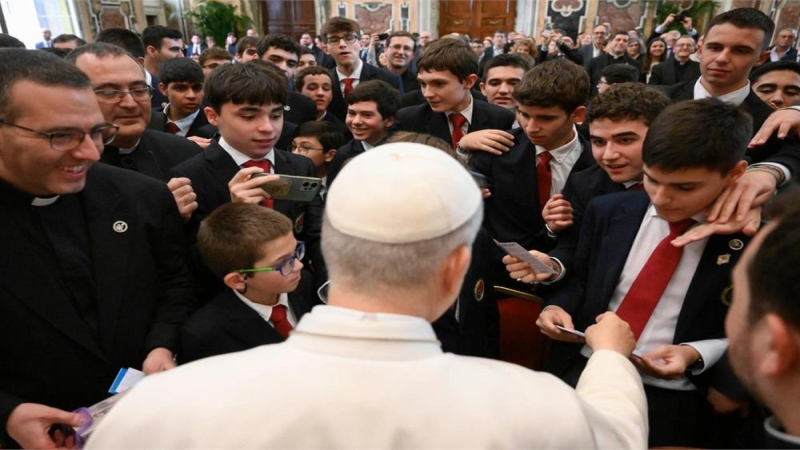


Why Pope Leo XIV’s Opening Homilies Emphasize Stability Over Spectacle

The opening homilies of a new pope often set the tone for an entire pontificate. For Pope Leo XIV, these early messages have drawn attention not for dramatic declarations but for their measured and steady character. At a time when public discourse frequently rewards bold gestures and emotional intensity, his homilies reflect a deliberate choice to emphasize stability.
This approach appears shaped by an awareness of the Church’s current context. Catholics worldwide face cultural polarization, institutional fatigue, and uncertainty about moral leadership. By focusing on continuity and spiritual grounding, Pope Leo XIV signals that the papacy’s role is not to compete with spectacle but to provide calm direction rooted in faith.
Stability as a Pastoral Priority
One of the central themes in Pope Leo XIV’s opening homilies is the importance of spiritual stability. Rather than addressing immediate controversies, he centers his reflections on trust, patience, and perseverance. This choice highlights a pastoral understanding that faith communities need grounding before guidance on complex issues can be effective.
Stability in this sense is presented as an interior posture rather than a resistance to change. Pope Leo XIV speaks of steadiness as a condition that allows believers to navigate uncertainty without fear. His homilies emphasize that lasting faith is cultivated through consistency in prayer, teaching, and community life.
By prioritizing these themes early, the pope establishes a tone of reassurance. The homilies function as an invitation to slow down, reflect, and reconnect with foundational spiritual practices that sustain the Church across generations.
Moving Away From Performative Leadership
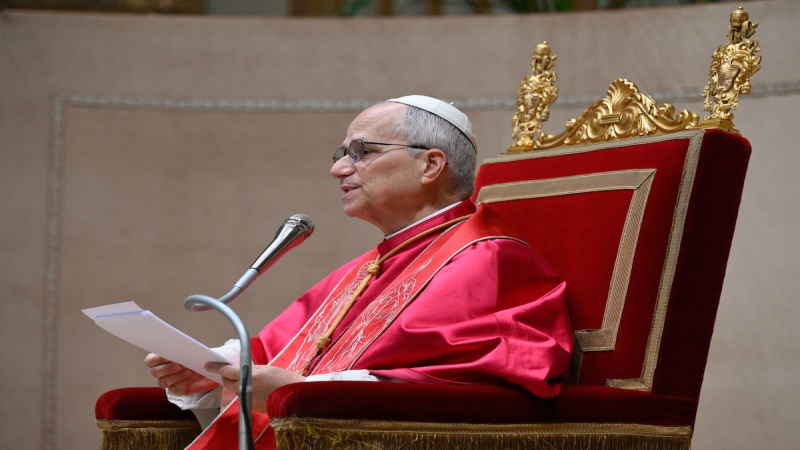
Pope Leo XIV’s homiletic style reflects a clear departure from performative leadership. His delivery avoids dramatic language and emotional excess, favoring clarity and restraint. This approach underscores the idea that authority in the Church flows from truth and coherence rather than presentation.
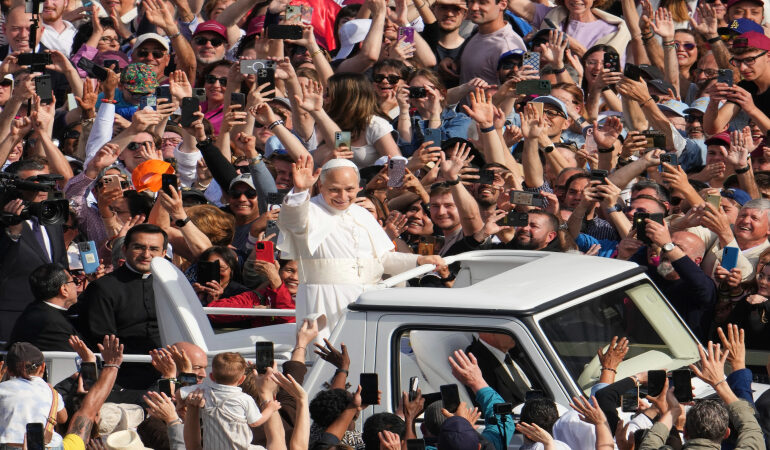
In a media driven environment, religious leaders are often pressured to produce memorable moments. Pope Leo XIV appears conscious of this dynamic and intentionally resists it. His homilies prioritize meaning over impact, suggesting confidence that substance will endure beyond initial impressions.
This restraint also protects the integrity of the message. By avoiding spectacle, the pope allows the spiritual content to remain central. The homily becomes a space for reflection rather than reaction, reinforcing its role as a moment of shared listening rather than performance.
Theological Depth Through Simplicity
Another defining feature of Pope Leo XIV’s homilies is their theological simplicity. Rather than complex argumentation, he draws on accessible scriptural themes and familiar spiritual language. This simplicity does not diminish depth but makes it more widely accessible.
By grounding his homilies in essential teachings, Pope Leo XIV ensures they speak to both committed Catholics and those at the margins of faith. The emphasis on core principles such as hope, fidelity, and service reflects a desire to strengthen the Church from within.
This approach also aligns with the Church’s broader pastoral mission. Theology expressed with clarity and restraint becomes a unifying force rather than a dividing one. Pope Leo XIV’s homilies reflect an understanding that unity is nurtured through shared understanding rather than complexity alone.
Responding to a World Seeking Assurance
The emphasis on stability over spectacle also reflects an awareness of global uncertainty. Many societies are experiencing social fragmentation, economic stress, and moral confusion. In this context, Pope Leo XIV’s homilies offer reassurance rather than agitation.
By speaking calmly and consistently, he positions the papacy as a source of spiritual assurance. His messages suggest that the Church does not need to mirror the anxieties of the world in order to address them. Instead, it offers an alternative grounded in faith and continuity.
This posture strengthens the Church’s moral presence. Stability becomes a witness in itself, demonstrating confidence in the enduring relevance of the Gospel even amid rapid change.
Conclusion
Pope Leo XIV’s opening homilies reveal a deliberate choice to emphasize stability over spectacle. Through restrained language, theological clarity, and pastoral sensitivity, he sets a tone that values depth over immediacy. In doing so, he frames the papacy as a steady spiritual guide for a Church and world seeking reassurance, continuity, and hope.