

Why Silence Still Matters in Catholic Moral Formation
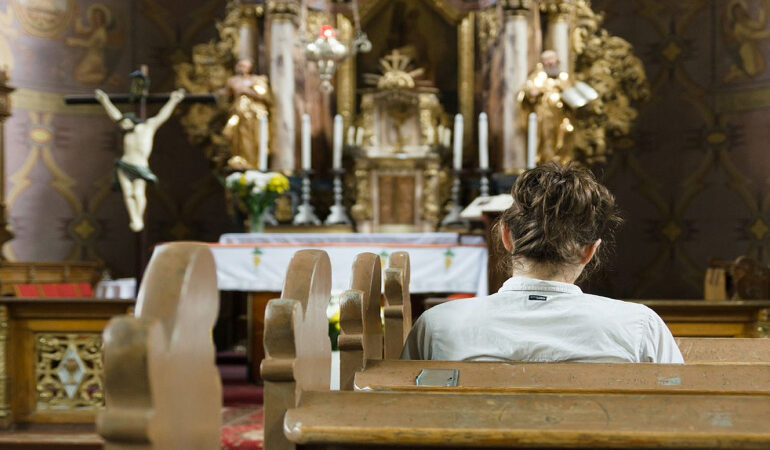

Modern life is shaped by constant noise. Opinions circulate instantly, debates unfold without pause, and moral judgments are often formed in public and at speed. Within this environment, silence can appear irrelevant or even uncomfortable. Yet in Catholic tradition, silence has long been understood as essential to moral formation rather than an absence of engagement.
The Church continues to affirm silence as a necessary condition for discernment, conscience formation, and spiritual maturity. Far from retreating from the world, silence allows believers to engage it more responsibly. Understanding why silence still matters helps explain how Catholic moral teaching is lived, not merely learned.
Silence as the Space Where Conscience Is Formed
Catholic moral formation begins with conscience, and conscience requires interior space. Silence provides that space. Without silence, moral reflection is easily shaped by external pressure rather than truth.
In silence, individuals can examine motives, intentions, and responsibilities honestly. This interior listening allows moral teaching to move beyond abstraction and become personal. Silence does not replace guidance, but it allows guidance to be received thoughtfully rather than defensively.
Discernment Beyond Immediate Reaction
Moral questions often provoke strong emotional responses. In a culture of immediacy, reaction can replace discernment. Silence interrupts this pattern by slowing judgment.
The Church teaches that discernment requires time and attentiveness. Silence creates distance from impulse and opens room for reason and prayer. This process leads to moral decisions that are rooted in reflection rather than urgency, preserving integrity in complex situations.
Silence as a Counterbalance to Information Overload
Contemporary moral life is shaped by constant information. Opinions, commentary, and analysis compete for attention. While information has value, excess can obscure clarity.
Silence acts as a counterbalance. It allows individuals to step back from competing voices and reorient toward fundamental moral principles. In this way, silence protects moral formation from being fragmented by noise and contradiction.
The Relationship Between Silence and Authority
Silence also shapes how moral authority is received. When teaching is encountered within silence, it is more likely to be understood as guidance rather than command. Silence allows authority to be internalized rather than resisted.
The Church’s moral teaching assumes an interior process. Silence supports this by creating openness to instruction. Authority, in turn, respects silence by allowing space for conscience to mature rather than demanding instant compliance.
Formation Rather Than Performance
Catholic moral formation emphasizes being over appearing. Silence supports this by shifting focus from outward expression to interior growth. In a culture that rewards visible opinion, silence resists moral performance.
This inward focus encourages authenticity. Moral maturity develops through reflection, self examination, and gradual understanding. Silence allows faith to shape character quietly, without the pressure of constant expression.
Silence and the Practice of Moral Humility
Silence also fosters humility. It acknowledges that not every moral question has an immediate or simple answer. By remaining silent, individuals admit the need for learning, guidance, and patience.
Humility strengthens moral judgment. It prevents certainty from hardening into rigidity. Silence keeps moral reflection open to growth, correction, and deeper understanding over time.
A Tradition That Resists Distraction
The Catholic tradition has consistently valued silence through prayer, contemplation, and liturgical rhythm. This tradition resists distraction not by rejecting the world, but by engaging it with interior depth.
Silence is not withdrawal, but preparation. It equips believers to act responsibly by grounding action in reflection. In this sense, silence remains a practical tool for moral life, not a symbolic gesture.
Conclusion
Silence continues to matter in Catholic moral formation because it creates the conditions for discernment, humility, and conscience development. In a noisy and accelerated world, silence protects moral clarity by allowing faith to shape judgment from within. Far from being outdated, silence remains essential to forming mature, responsible moral lives rooted in reflection and truth.