
Why the Church’s Ethical Voice Still Matters in Global Human Rights Debates

Global human rights debates have grown louder, faster, and more polarized in recent years. Governments, institutions, and advocacy groups compete to define justice, often through legal or ideological frameworks that shift with political power. In this environment, the Catholic Church continues to speak from a different foundation, one rooted in moral reasoning rather than policy alignment. Its voice persists not because it commands authority, but because it appeals to conscience.
The Church’s ethical engagement in human rights does not rely on enforcement or political leverage. Instead, it draws from a long tradition of moral reflection on human dignity, responsibility, and the common good. This perspective allows the Church to participate in global debates without being absorbed into them, offering a consistent ethical reference point amid changing norms and priorities.
A Moral Framework That Transcends Politics
The Church approaches human rights through a moral framework that predates modern political systems. Its understanding of rights begins with the inherent worth of the human person rather than with legal recognition alone. This grounding allows the Church to speak across borders and ideologies without tailoring its message to specific political outcomes.
By emphasizing dignity as universal and inalienable, the Church avoids reducing rights to tools of influence or identity. This approach challenges narratives that frame human rights as conditional or selective. It insists that protection of life, conscience, and basic freedoms applies to all people, not only those favored by prevailing systems.
This moral consistency gives the Church credibility in international forums. While it may not always shape policy, it shapes the ethical language through which policy is debated. That influence remains significant precisely because it is not tied to electoral cycles or partisan agendas.
Human Rights Beyond Legal Definitions
Legal frameworks are essential for protecting rights, but they often reflect compromise and political negotiation. The Church complements these structures by addressing what law alone cannot define. Its ethical voice focuses on why rights matter, not only how they are enforced.
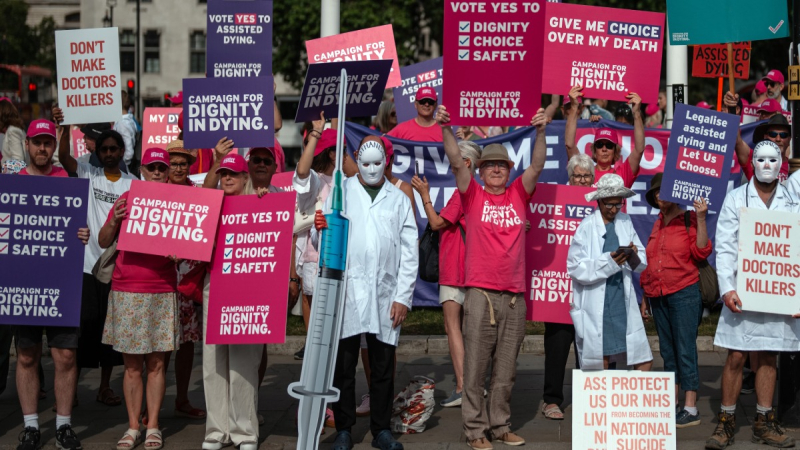
This distinction becomes especially important in debates where legality and morality diverge. The Church has consistently argued that actions permitted by law are not automatically just. By raising ethical questions alongside legal ones, it broadens the scope of human rights discussions beyond procedural compliance.
This perspective also brings attention to overlooked dimensions of human rights, such as spiritual freedom, moral conscience, and social responsibility. These elements are difficult to quantify but central to human flourishing. The Church’s voice ensures they remain part of the conversation.
A Global Voice Shaped by Experience
The Church’s engagement with human rights is informed by global presence rather than abstract theory. Its institutions operate in diverse cultural, economic, and political contexts, giving it insight into how rights are experienced on the ground. This lived awareness strengthens its ethical credibility.
Because it witnesses both protection and violation of rights across regions, the Church can speak with nuance rather than generalization. It understands that human rights challenges differ between societies, yet share common moral foundations. This balance between universality and context allows its voice to resonate globally.
The Church’s global perspective also tempers ideological rigidity. It recognizes that justice cannot be imposed uniformly without regard for social realities. This fosters dialogue rather than confrontation, an approach increasingly rare in international debates.
Why the Ethical Voice Still Resonates Today
In an age of fragmented authority, moral voices that are not driven by power retain unique influence. The Church’s ethical engagement resonates because it appeals to shared human values rather than competitive claims. Its emphasis on dignity, solidarity, and responsibility cuts across cultural divides.
This resonance is not limited to believers. Many secular actors engage with the Church’s arguments because they address fundamental questions about humanity and purpose. When rights are framed solely as entitlements, they risk becoming transactional. The Church reframes them as obligations rooted in mutual respect.
As global debates grow more contentious, this ethical grounding offers stability. It reminds societies that human rights are not merely negotiated agreements, but reflections of deeper moral commitments.
Conclusion
The Church’s ethical voice continues to matter in global human rights debates because it speaks from conscience rather than power. By grounding rights in human dignity and moral responsibility, it offers a perspective that transcends politics and legalism. In a world searching for moral clarity, this enduring voice remains a vital contributor to the pursuit of justice.