

Why the Global Church Is Prioritizing Unity Over Uniformity


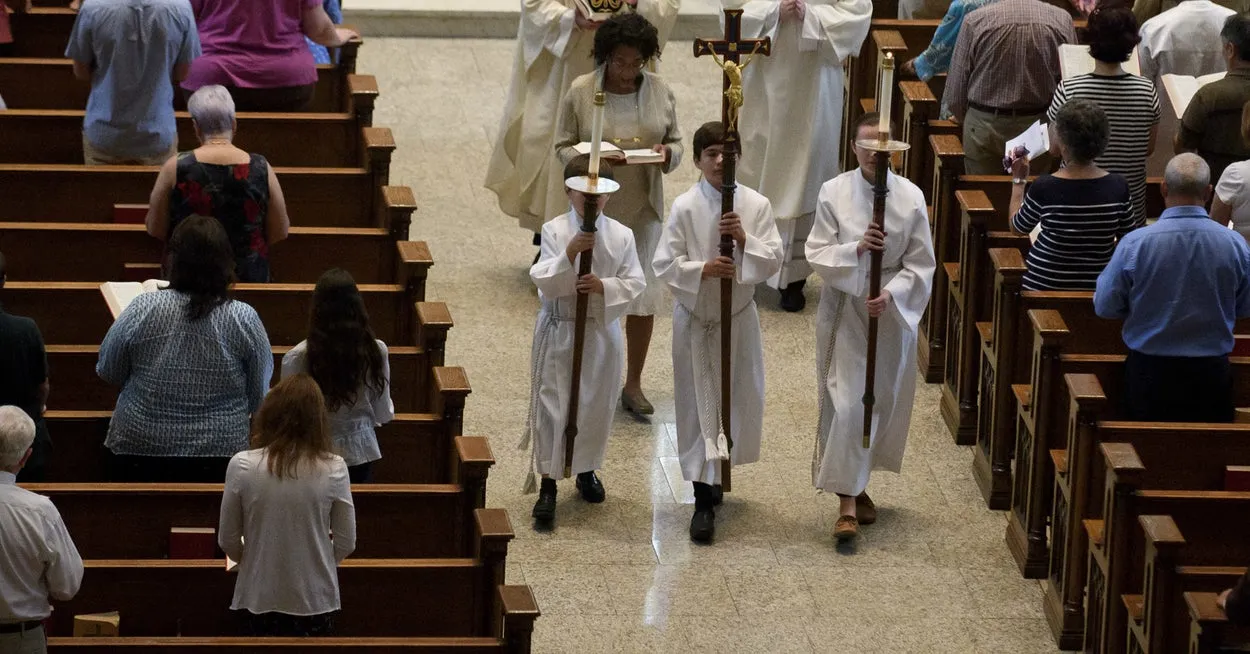
The Catholic Church today stands at the intersection of extraordinary global diversity and enduring institutional unity. With communities spread across vastly different cultures, political systems, and social realities, the challenge is no longer how to expand globally, but how to remain meaningfully connected. In response, the Church is increasingly emphasizing unity over uniformity as the guiding principle for its global life.
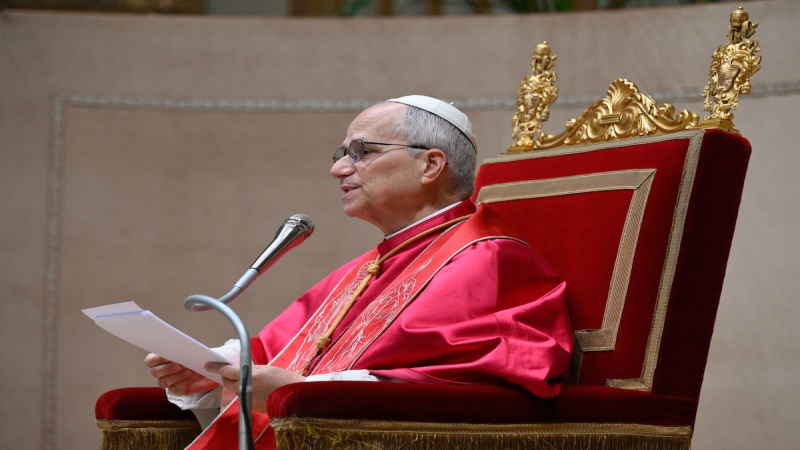
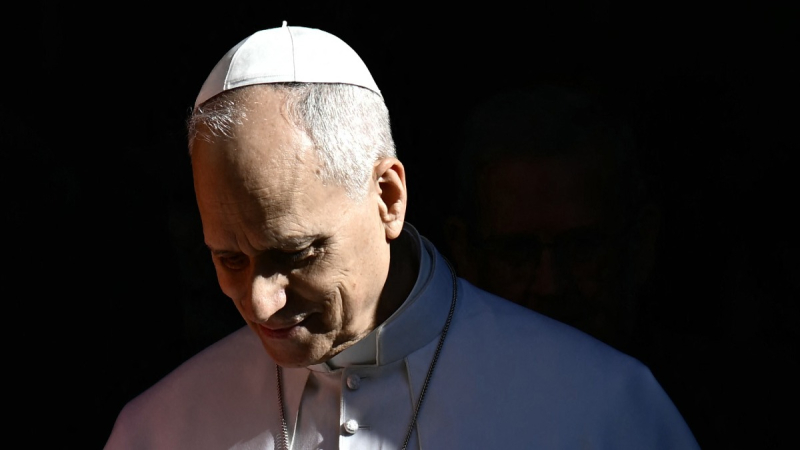
This shift reflects a sober reading of the present moment. Attempts to enforce identical expressions of faith, governance, or pastoral practice across all regions risk deepening division rather than strengthening communion. Under the leadership of Pope Leo XIV, the global Church is articulating a vision of unity that holds diversity together without dissolving shared belief or institutional coherence.
Unity as a Shared Foundation, Not a Single Expression
At the heart of this approach is the understanding that unity does not require sameness. The Church’s unity is rooted in shared faith, sacramental life, and communion with the universal Church, not in identical cultural forms or pastoral strategies.
By prioritizing unity, the Church affirms core beliefs while allowing their expression to take shape within local cultures. This distinction helps avoid the false assumption that faith must look the same everywhere to be authentic. Instead, unity becomes relational and theological rather than aesthetic or procedural.
This framework also reduces tension between center and periphery. Local churches are encouraged to live the faith fully within their contexts, confident that diversity does not threaten belonging.
Responding to Cultural Fragmentation Without Centralization
Cultural fragmentation has intensified globally, often pushing institutions toward rigid control as a defensive response. The Church has chosen a different path. Rather than tightening uniform rules, it emphasizes shared reference points that allow flexibility within defined boundaries.
This approach recognizes that cultural realities vary widely. Issues that dominate debate in one region may be peripheral in another. Uniform responses risk irrelevance or misunderstanding. Unity over uniformity allows the Church to remain present and credible across contexts.
Central authority remains essential, but its role is increasingly one of orientation rather than micromanagement. This balance strengthens cohesion without stifling local responsibility.
Empowering Local Churches Within a Universal Communion
Another reason for prioritizing unity is the growing importance of local leadership. Bishops and pastoral leaders are closest to the realities facing their communities. The Church increasingly trusts local discernment while maintaining communion with the wider institution.
This empowerment does not signal decentralization without limits. Universal teaching and shared discipline remain anchors. However, application and emphasis are shaped locally, allowing faith to speak authentically within diverse cultures.
Such trust strengthens accountability. When local churches are recognized as responsible actors rather than passive recipients, engagement deepens and ownership of mission increases.
Avoiding Ideological Polarization
Uniformity can unintentionally amplify ideological polarization. When global guidance is perceived as rigid or detached, it can provoke resistance or selective compliance. Prioritizing unity helps mitigate this risk.
By focusing on shared faith rather than uniform positions on every issue, the Church avoids framing differences as disloyalty. This creates space for dialogue rather than division. Unity becomes the context within which disagreement can exist without fracturing communion.
This approach also protects the Church from being drawn into global ideological battles. By emphasizing belonging over alignment, the Church maintains moral independence.
The Global South and the Shape of Unity
Demographic shifts have also influenced this emphasis. Much of the Church’s growth now occurs in regions where cultural expression, social challenges, and pastoral needs differ from traditional centers of influence.
Unity over uniformity allows the global Church to reflect this reality honestly. It acknowledges that no single cultural model defines Catholic life. Instead, the Church’s universality is expressed through multiple voices rooted in shared belief.
This inclusivity strengthens legitimacy. When unity accommodates diversity, global leadership becomes more representative and credible.
Unity as a Witness to the World
In a world increasingly divided by identity and ideology, the Church’s commitment to unity without uniformity offers a distinctive witness. It demonstrates that deep difference can coexist with shared purpose.
This witness extends beyond internal governance. It shapes how the Church engages societies marked by fragmentation. By modeling unity that respects difference, the Church offers an alternative vision of community.
Such a witness is particularly powerful in a global context where institutions often fracture under pressure. The Church’s endurance depends on its ability to hold difference together.
Conclusion
The global Church is prioritizing unity over uniformity because cohesion today depends on trust, shared belief, and mutual responsibility rather than identical expression. By embracing diversity within communion, the Church strengthens its global presence and credibility. In a fragmented world, unity grounded in faith rather than conformity offers the Church its most resilient path forward.