
Why the Holy See Avoids Legal Escalation Even When Pressured by Governments

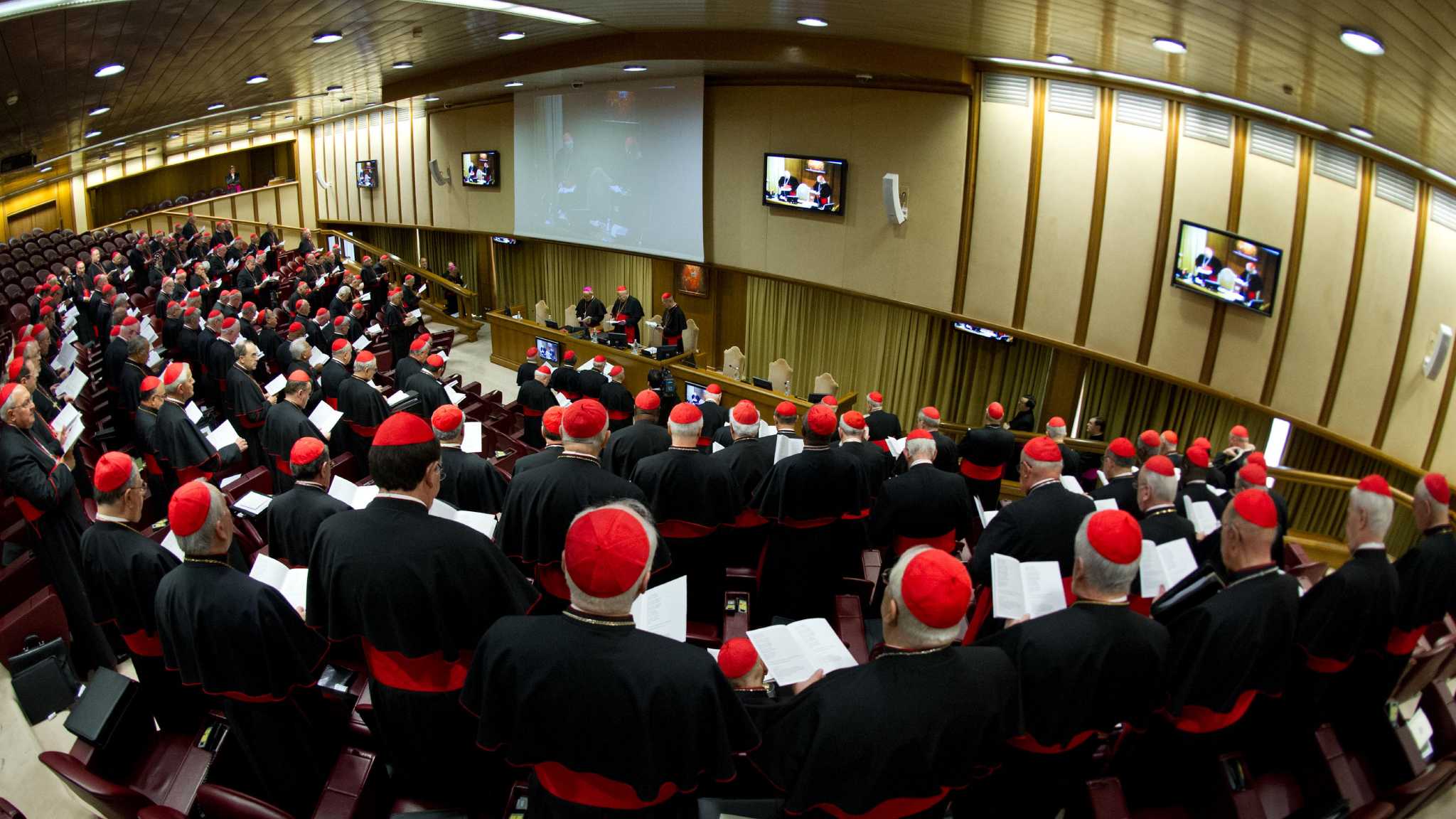
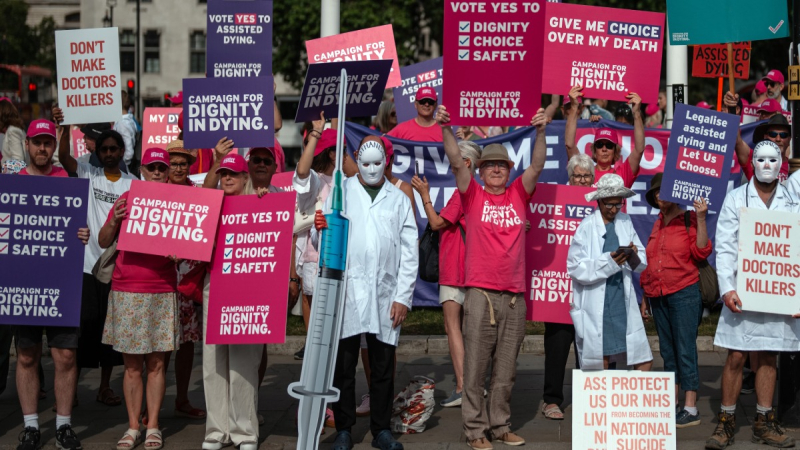
In many regions, governments are asserting stronger control over legal, social, and institutional life. Religious organizations often find themselves subject to expanding regulations that affect education, property, speech, and internal governance. Within this environment, the Holy See consistently avoids legal escalation, even when state pressure intensifies. This posture reflects a deeply rooted strategy shaped by history, diplomacy, and institutional survival.
The Holy See operates unlike any other religious institution. Its global mission requires engagement with states across vastly different political systems. Escalating legal disputes may satisfy immediate demands for resistance, but they often limit long term influence. By choosing restraint, the Vatican prioritizes continuity of presence and moral authority over confrontation.
Avoiding Escalation to Preserve Mission
The most important reason the Holy See avoids legal escalation is the protection of its core mission. Legal conflict with governments can restrict the Church’s ability to operate schools, hospitals, charities, and pastoral structures. Escalation risks closing channels that support daily ecclesial life.
By refraining from legal battles, the Holy See ensures that the Church remains operational even under restrictive conditions. This approach treats endurance as more valuable than symbolic resistance. Mission continuity takes precedence over legal assertion, especially when confrontation could result in broader suppression.
Diplomacy as a Primary Instrument
The Holy See relies heavily on diplomacy rather than litigation. Diplomatic engagement allows disagreements to be addressed without public confrontation. Quiet negotiation often produces more sustainable outcomes than legal escalation.
Diplomacy also preserves flexibility. Legal disputes tend to harden positions and invite public scrutiny that limits compromise. By avoiding escalation, the Holy See keeps dialogue open, allowing gradual accommodation without sacrificing principle.
Legal Escalation Risks Politicization
Escalating legal disputes often pulls institutions into political conflict. The Holy See actively avoids being perceived as a political adversary. Legal escalation can reframe moral disagreement as political opposition, weakening the Church’s neutral standing.
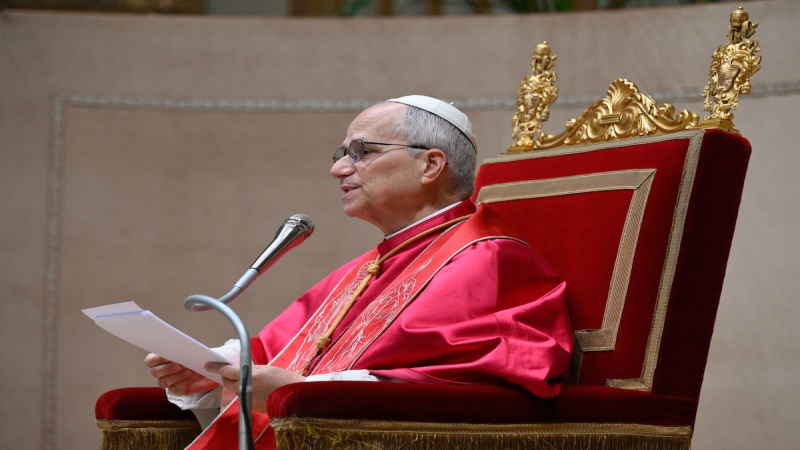
By staying out of legal confrontation, the Vatican maintains its identity as a moral and spiritual authority rather than a political actor. This distinction protects credibility across borders and prevents alignment with factions that could undermine universality.
Sovereignty Exercised Through Restraint
The Holy See possesses legal sovereignty, but it exercises this sovereignty with restraint. Authority is not demonstrated through constant assertion but through disciplined self limitation. This approach reflects confidence rather than weakness.
Restraint allows the Holy See to assert independence when necessary without normalizing confrontation. Legal escalation is treated as a last resort, not a default response. Sovereignty is preserved through presence and consistency rather than repeated conflict.
Learning From Historical Experience
The Vatican’s avoidance of escalation is informed by long institutional memory. History shows that legal confrontation with states often leads to long term marginalization or suppression. The Church has learned that survival frequently depends on patience rather than resistance alone.
This historical awareness shapes current strategy. The Holy See evaluates not only the legal merits of a dispute but its long term consequences. Avoiding escalation reflects a preference for outcomes that preserve space for future engagement.
Protecting Global Church Unity
Legal escalation in one country can create ripple effects across the global Church. Governments elsewhere may interpret confrontation as precedent, increasing pressure on local churches. By avoiding escalation, the Holy See limits collateral impact.
This restraint protects unity. Local churches operate under diverse legal systems, and centralized escalation could expose vulnerable communities to greater risk. Neutrality at the center allows flexibility at the periphery.
Moral Authority Over Legal Victory
The Holy See prioritizes moral authority over legal victory. Winning a legal case may satisfy immediate objectives, but moral credibility depends on consistency, patience, and restraint. Escalation risks reducing moral witness to legal conflict.
By avoiding escalation, the Vatican communicates confidence in the enduring relevance of its teachings. Authority is exercised through continuity rather than courtroom success. This posture reinforces trust among believers and external observers alike.
Engagement Without Confrontation
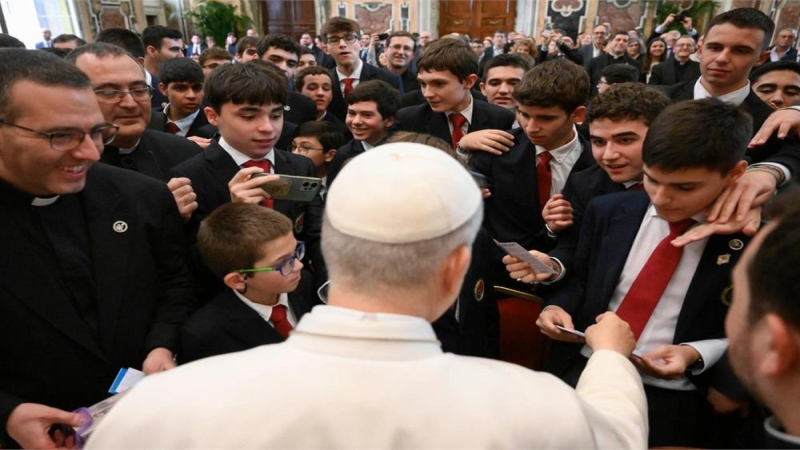
Avoiding legal escalation does not mean passive acceptance. The Holy See continues to articulate its positions clearly and to advocate for religious freedom through diplomatic channels. Engagement remains active, but non confrontational.
This approach allows disagreement without rupture. The Vatican remains present even in difficult environments, maintaining space for dialogue and gradual improvement. Engagement without escalation sustains influence where confrontation would end it.
Conclusion
The Holy See avoids legal escalation even when pressured by governments in order to protect its mission, preserve neutrality, and sustain global credibility. Through diplomacy, restraint, and historical awareness, it prioritizes long term presence over short term confrontation. This strategy allows the Church to endure, engage, and maintain moral authority in an era of expanding state power.