

Why the Vatican Is Reframing Its Voice in a Digitally Fragmented Society


The way people receive information has changed dramatically over the past decade. Digital platforms now shape how ideas are formed, debated, and dismissed, often within fragmented and emotionally charged spaces. For an institution rooted in continuity and reflection, this environment presents unique challenges. The Vatican is increasingly aware that its traditional modes of communication must adapt if its voice is to remain coherent and credible in a digitally fragmented society.
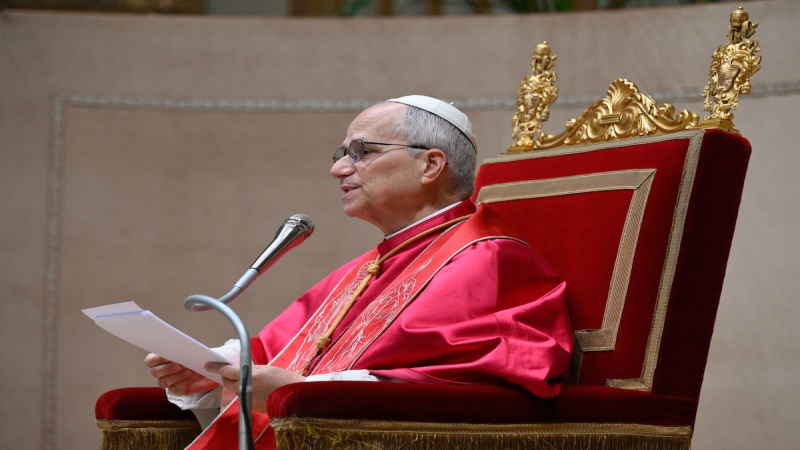
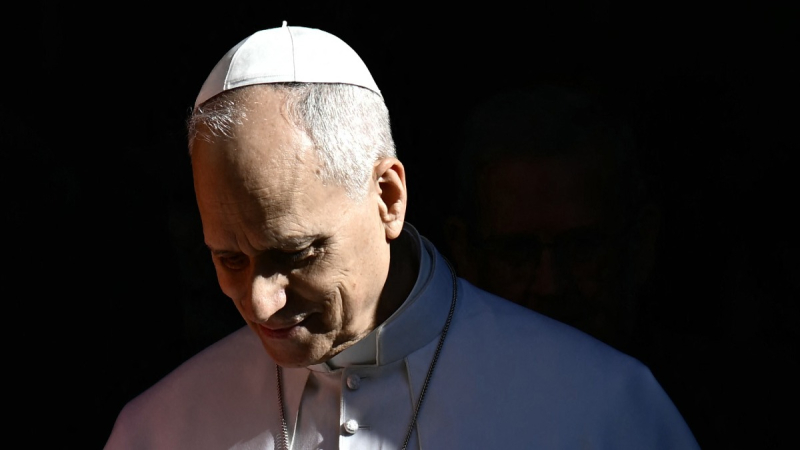
Under the leadership of Pope Leo XIV, the Vatican is quietly reframing how it communicates without altering what it teaches. The shift is not about chasing trends or amplifying volume. Instead, it reflects a strategic effort to preserve clarity, authority, and pastoral sensitivity in a landscape shaped by speed, polarization, and short attention cycles.
Preserving Coherence in a Fragmented Digital Environment
Digital fragmentation often breaks complex ideas into simplified narratives that spread rapidly but lack depth. For the Vatican, this presents a risk. Doctrinal teaching and moral guidance can easily be reduced to headlines or misinterpreted through ideological filters. Reframing the Vatican’s voice begins with resisting this fragmentation.
Rather than responding to every digital moment, the Vatican is emphasizing coherence and consistency. Messages are shaped to stand on their own theological foundation, even when separated from broader context online. This approach prioritizes integrity over immediacy and ensures that core teachings are not diluted by platform driven dynamics.
Shifting From Reaction to Deliberate Communication
One notable aspect of the Vatican’s reframing is a move away from reactive communication. In digital spaces, pressure often exists to respond quickly to trending topics. The Vatican is increasingly choosing deliberation over speed, recognizing that credibility depends on measured clarity rather than constant presence.
This restraint helps distinguish the Church’s voice from the noise of digital debate. By speaking less frequently but with greater purpose, Vatican communication gains weight. The emphasis is on messages that endure beyond news cycles, reinforcing the Church’s role as a source of reflection rather than commentary.
Addressing Digital Culture Without Imitating It
The Vatican’s reframed voice acknowledges digital culture without mirroring its habits. While digital tools are used for outreach and accessibility, the tone remains distinct. Language is careful, structured, and rooted in theological meaning rather than emotional provocation.
This distinction is intentional. By avoiding sensationalism or simplified rhetoric, the Vatican maintains its identity as a moral and spiritual authority. Engagement does not require imitation. Instead, the Church seeks to offer an alternative rhythm of communication that invites pause, reflection, and depth within a fast moving environment.
Strengthening Trust Through Consistency
In fragmented digital spaces, trust is fragile. Conflicting messages and rapid shifts in tone can undermine credibility. The Vatican’s reframing places strong emphasis on consistency across platforms and audiences. Whether addressing the faithful, global observers, or digital audiences, the underlying message remains aligned.
This consistency reinforces trust over time. It signals that the Church’s voice is not shaped by algorithms or trends but by enduring principles. For a global audience navigating misinformation and polarization, this steadiness becomes a distinguishing feature of Vatican communication.
Conclusion
The Vatican’s decision to reframe its voice reflects an awareness of the challenges posed by a digitally fragmented society. By prioritizing coherence, restraint, and consistency, the Church is adapting its communication without compromising its identity. Under Pope Leo XIV, this approach positions the Vatican as a steady and credible presence in an environment defined by speed and division. In choosing clarity over reaction, the Vatican reinforces its role as a voice of reflection and moral continuity in the digital age.