

Why the Vatican Is Speaking More Carefully About Social Change

Social change has become one of the most sensitive areas the Vatican must navigate today. Cultural norms, political expectations, and moral debates evolve rapidly, often unevenly across regions. In this environment, every Vatican statement on social issues carries the risk of being interpreted through polarized lenses.
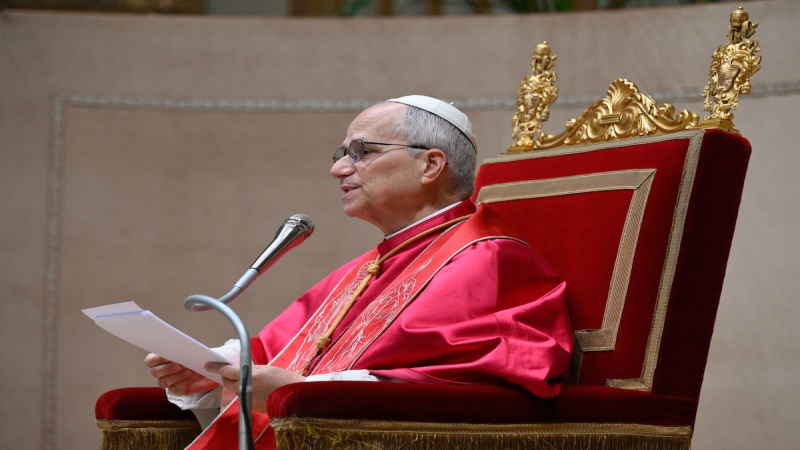
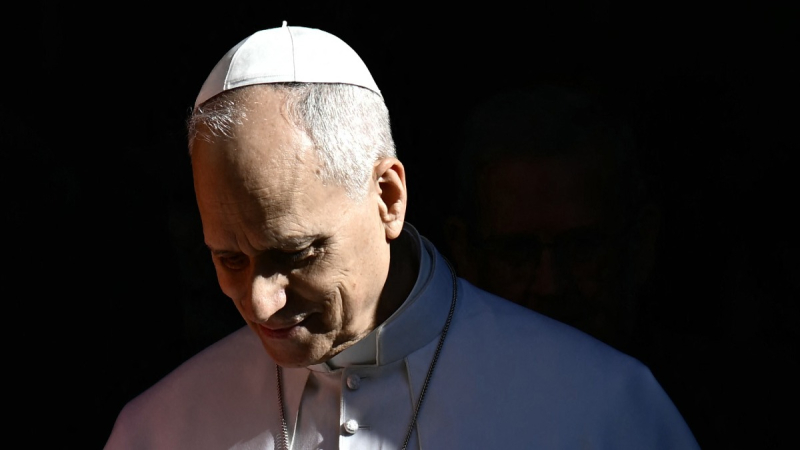
Under the leadership of Pope Leo XIV, the Vatican has adopted a noticeably more careful tone when addressing social change. This shift does not signal retreat from moral teaching but reflects a strategic effort to preserve clarity, unity, and credibility in an increasingly fragmented global culture.
Speaking Carefully in a Polarized Public Sphere
One of the primary reasons for this cautious approach is the intensity of polarization surrounding social issues. Topics related to family life, identity, justice, and public morality are often framed in absolute terms within political and cultural debates. In such a climate, even nuanced statements can be reduced to slogans.
By speaking more carefully, the Vatican seeks to avoid being drawn into ideological battles that oversimplify complex moral questions. Precision in language allows teachings to be understood within their proper theological and pastoral context. This helps protect the Church’s voice from being co-opted or misrepresented.
Careful speech also preserves space for dialogue. When statements are framed with restraint, they invite reflection rather than immediate confrontation, allowing the Church to remain a participant in conversation rather than a symbol of division.
Respecting Cultural Diversity Within the Global Church
The Catholic Church spans societies at vastly different stages of social change. What is debated intensely in one region may be experienced very differently in another. A universal institution must therefore communicate in a way that respects this diversity.
The Vatican’s careful language reflects awareness that global statements resonate differently across cultures. Overly specific or reactive messaging can unintentionally marginalize local churches or create pastoral challenges. By emphasizing principles rather than detailed prescriptions, the Vatican allows space for contextual application.
This approach strengthens unity. It acknowledges diversity without fragmenting belief, ensuring that social teaching remains connected to shared values while respecting local realities.
Protecting Moral Teaching From Political Capture
Another reason for cautious speech is the risk of political capture. In many societies, religious language is quickly absorbed into partisan narratives. When Church statements are interpreted as aligning with specific political positions, moral teaching can lose its independence.
By avoiding reactive commentary, the Vatican maintains a degree of distance from political agendas. This protects the integrity of Catholic social teaching, which is grounded in moral anthropology rather than policy platforms.
Careful communication allows the Church to address social change without becoming a political actor. This distinction is essential for preserving credibility among diverse audiences, including those who may not share the Church’s beliefs.
Emphasizing Discernment Over Declaration
Recent Vatican language increasingly emphasizes discernment. Rather than issuing declarative judgments on every social development, the Church encourages reflection guided by conscience, tradition, and pastoral accompaniment.
This emphasis recognizes that social change often unfolds unevenly and unpredictably. Discernment allows space for listening and understanding before judgment. It reflects humility about the complexity of modern social realities.
Such an approach also aligns with pastoral care. Individuals and communities navigating change require guidance that is patient and thoughtful. Careful speech supports this process by avoiding rigid framing that can alienate rather than accompany.
Long Term Credibility in a Rapidly Changing World
The Vatican’s careful tone is also shaped by concern for long-term credibility. Social issues that dominate attention today may evolve or recede over time. Reactive statements can date quickly, while carefully framed principles retain relevance.
By grounding communication in enduring moral foundations, the Vatican ensures that its teaching remains meaningful across generations. This approach resists the pressure to comment on every development while maintaining moral presence.
Long-term credibility depends on consistency and restraint. When the Vatican speaks carefully, it reinforces its role as a stable moral reference point rather than a reactive commentator.
Conclusion
The Vatican’s more careful approach to speaking about social change reflects a strategic response to polarization, cultural diversity, and political pressure. By prioritizing precision, discernment, and long-term credibility, the Church seeks to engage a changing world without sacrificing unity or moral integrity. In doing so, it preserves its ability to speak meaningfully across cultures and generations.