


Why Vatican Communication Is Becoming More Deliberate and Less Reactive


The way the Vatican communicates has always carried weight far beyond its immediate audience. In recent years, however, there has been a noticeable shift in how messages are shaped and delivered. Statements are now more deliberate, less frequent, and carefully framed, reflecting a broader reassessment of how communication affects institutional stability.
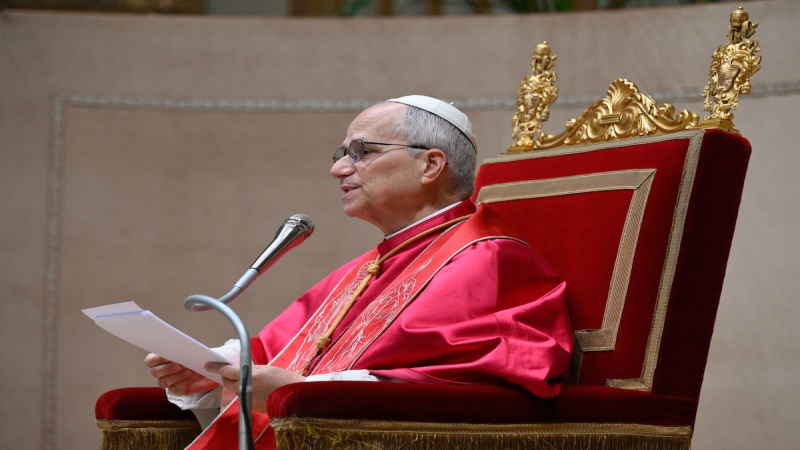
This evolution has become more pronounced under the leadership of Pope Leo XIV. Rather than responding instantly to events or public pressure, the Vatican appears committed to a slower and more reflective communication strategy. This approach signals a conscious move away from reactivity toward disciplined engagement.
Communication as an Instrument of Governance
Vatican communication is increasingly treated as a core element of governance rather than a reactive public relations function. Messages are crafted to support institutional coherence, internal clarity, and long-term credibility. This shift reflects an understanding that communication shapes perception, trust, and authority.
By aligning communication with governance priorities, the Vatican ensures that public statements reinforce internal decision-making. This reduces the risk of mixed signals that can create confusion among clergy, diplomats, and the faithful.
Communication framed as governance also encourages consistency. When messages follow established principles and processes, they contribute to institutional stability rather than momentary impact.
Moving Away from Instant Response Culture
The modern media environment rewards immediacy, but the Vatican has become increasingly cautious about instant responses. Rapid statements can simplify complex issues or unintentionally escalate controversy. Recognizing this risk, Vatican communication now favors discernment over speed.
Deliberate pacing allows time for consultation and reflection. This ensures that messages reflect shared institutional understanding rather than isolated viewpoints. It also reduces the likelihood of corrections or clarifications that can undermine credibility.
By resisting pressure to respond instantly, the Vatican asserts control over its narrative. Silence, when chosen intentionally, becomes a strategic decision rather than a gap.
Emphasizing Precision and Clarity
Recent Vatican communications show a clear preference for precise language. Statements avoid emotionally charged phrasing and focus on clearly articulated principles. This reduces the potential for misinterpretation across different cultural and political contexts.
Precision also supports internal alignment. When language is clear and consistent, local churches can interpret guidance with greater confidence. This strengthens coherence across the global Church.
Clarity does not mean oversimplification. Instead, it reflects a careful balance between accessibility and depth, ensuring that messages remain faithful to their intent.
Internal Coordination Before External Messaging
Another key feature of the Vatican’s evolving communication strategy is stronger internal coordination. Messages are increasingly shaped by input from relevant offices, ensuring that public statements reflect institutional consensus.
This process reduces internal tension and prevents conflicting interpretations. When internal coordination is strong, external communication becomes more reliable and authoritative.
Such alignment also supports accountability. Clear messaging helps define responsibilities and expectations within the Church’s administrative structure.
Protecting Long Term Institutional Credibility
The move toward deliberation reflects a concern for long-term credibility. Reactive communication may address immediate concerns but can erode trust if it appears inconsistent or rushed. The Vatican’s current approach prioritizes durability over immediacy.
By speaking less often but with greater care, the Vatican preserves the weight of its voice. This reinforces its role as a moral and institutional reference point rather than a constant commentator.
This strategy aligns with a broader emphasis on stability and governance. Communication becomes a tool for stewardship, protecting the institution’s integrity over time.
Conclusion
Vatican communication is becoming more deliberate because the costs of reactivity are increasingly clear. Through careful pacing, precise language, and internal coordination, the Vatican is reinforcing communication as an instrument of governance. This approach reflects a commitment to stability, clarity, and long-term credibility in a complex global environment.