Why Vatican Diplomacy Is Adopting a Lower Profile in Global Conflicts
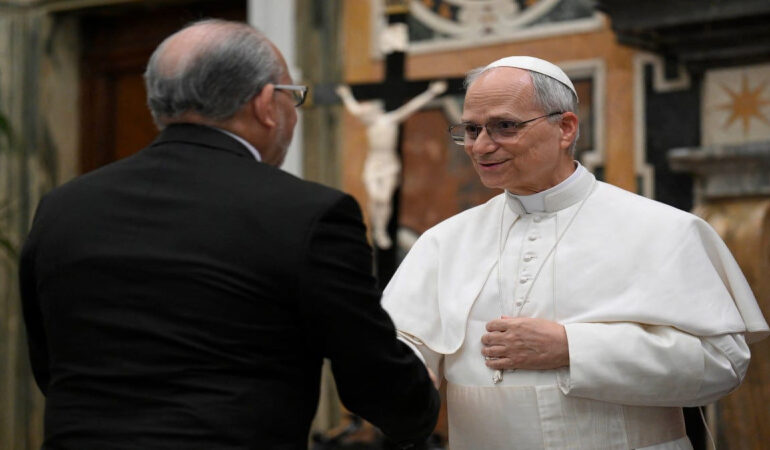

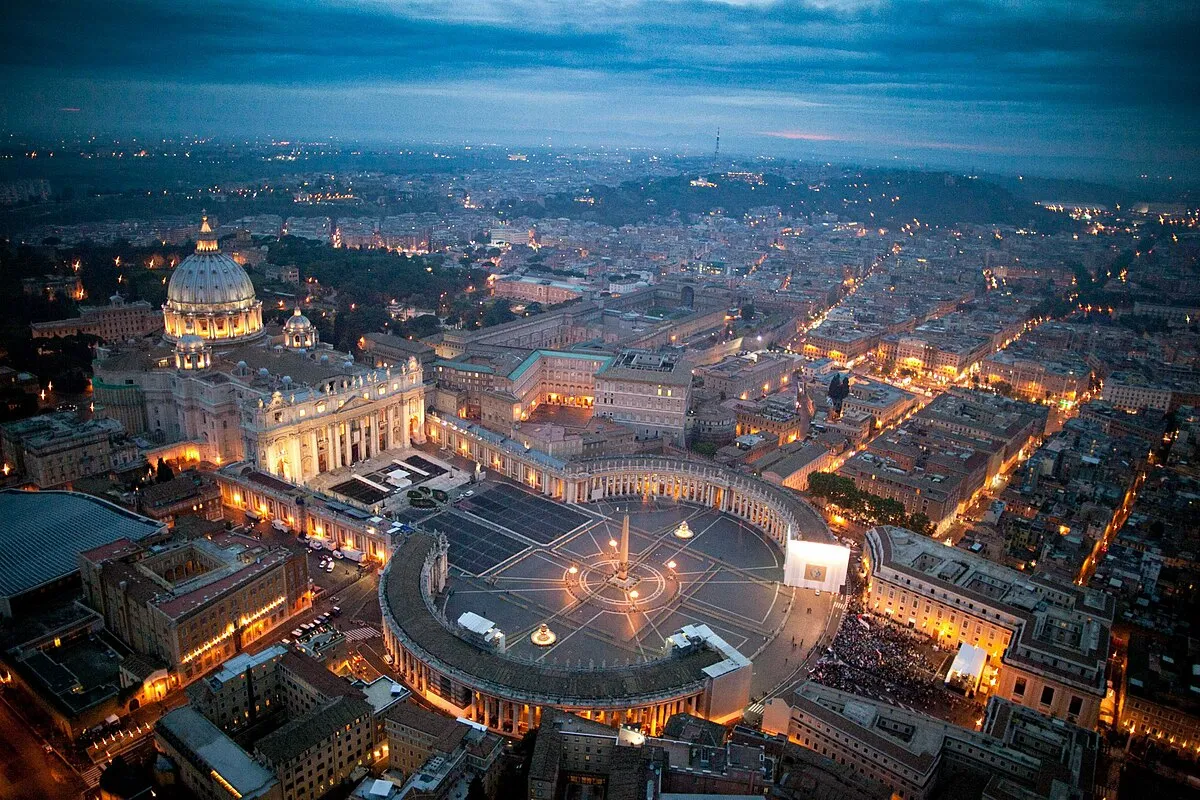
In recent years, the Vatican’s approach to international diplomacy has become noticeably more restrained, particularly in high profile global conflicts. While the Holy See has long played a role in mediation, peace building, and moral advocacy, its public presence in some crises now appears more measured than in previous periods. This shift reflects changing global dynamics as well as internal reflections on how moral influence is most effectively exercised.
Rather than withdrawing from engagement, Vatican diplomacy is increasingly characterized by discretion. Statements are carefully framed, and behind the scenes dialogue often takes precedence over public intervention. This approach aligns with a broader understanding that influence is not always strengthened by visibility, especially in conflicts marked by deep polarization and complex political interests.
A Strategy Rooted in Moral Credibility
The Vatican’s diplomatic posture has historically relied on moral authority rather than political power. In adopting a lower public profile, Church leaders appear intent on protecting this credibility. Public alignment or strong rhetorical intervention in conflicts can risk misinterpretation or politicization, potentially undermining the Holy See’s ability to act as a trusted moral voice.
By exercising restraint, Vatican diplomacy seeks to preserve neutrality. This allows the Church to remain accessible to all parties involved in a conflict. Moral credibility, in this sense, is sustained through consistency and independence rather than public positioning.
The Limits of Public Intervention
Modern conflicts are often shaped by media narratives, geopolitical alliances, and rapid information cycles. Public statements, even when well intentioned, can be quickly absorbed into polarized discourse. Vatican diplomats have become increasingly aware of these limits, recognizing that public intervention may not always contribute to peace.
This awareness has influenced a shift toward quieter engagement. Private meetings, confidential communication, and support for humanitarian efforts often provide more room for meaningful dialogue. Such methods reduce the risk of inflaming tensions while still advancing the Church’s commitment to peace.
Protecting Space for Mediation
A lower profile allows the Vatican to maintain space for mediation when opportunities arise. High visibility can close doors by signaling alignment or judgment. Discretion, on the other hand, keeps channels open with governments and non state actors alike.
This approach does not indicate indifference to suffering. Rather, it reflects a strategic choice aimed at long term influence. By remaining in the background, Vatican diplomacy can intervene when conditions are more conducive to dialogue and reconciliation.
Shifts in Global Power Dynamics
Changes in global power structures have also influenced the Vatican’s diplomatic posture. The rise of regional conflicts, competing international institutions, and fragmented alliances has complicated traditional mediation efforts. In such an environment, moral persuasion often requires patience and timing.
Vatican diplomats increasingly operate within a crowded international space. Adopting a lower profile helps avoid redundancy and allows the Holy See to contribute where its unique voice carries the most weight. This strategic humility recognizes the limits of influence while preserving its distinct role.
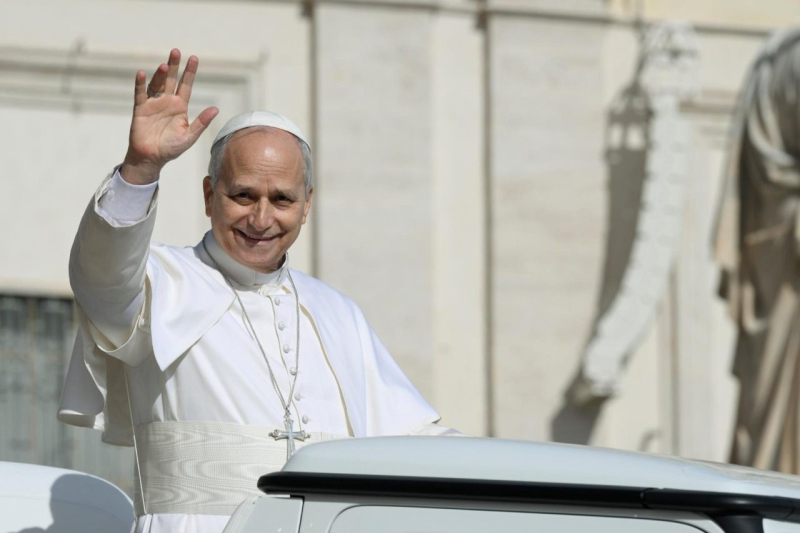
Continuity Under Pope Leo XIV
Under Pope Leo XIV, Vatican diplomacy continues to reflect principles of prudence and restraint. His emphasis on listening and discernment aligns with a diplomatic style that values careful engagement over public spectacle. Early signals suggest continuity rather than abrupt change in how the Holy See approaches global conflicts.
This consistency reinforces the idea that Vatican diplomacy is guided by long term moral considerations rather than immediate political outcomes. The focus remains on promoting peace, protecting human dignity, and supporting dialogue wherever possible.
Conclusion
The Vatican’s adoption of a lower diplomatic profile in global conflicts reflects a deliberate strategy shaped by moral responsibility and practical awareness. By prioritizing discretion, neutrality, and long term engagement, the Holy See seeks to preserve its credibility as a mediator and moral voice. In a world marked by complex and polarized conflicts, this restrained approach allows Vatican diplomacy to remain relevant, trusted, and prepared to act when dialogue becomes possible.