

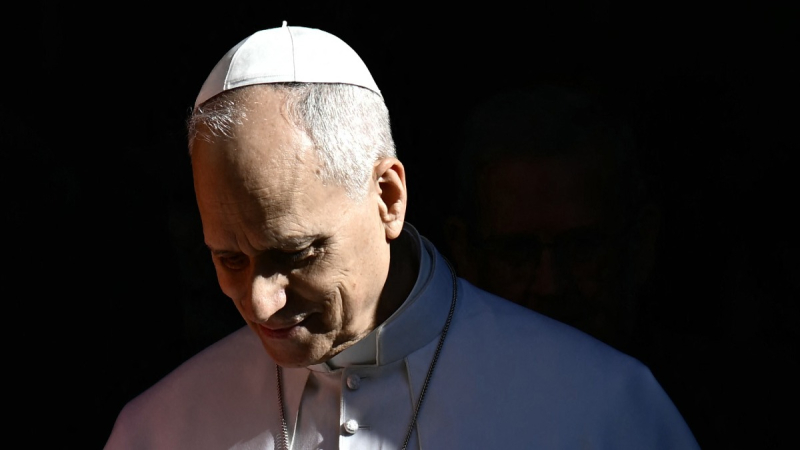
Why Vatican Diplomacy Is Quietly Re Engaging Key Global Powers

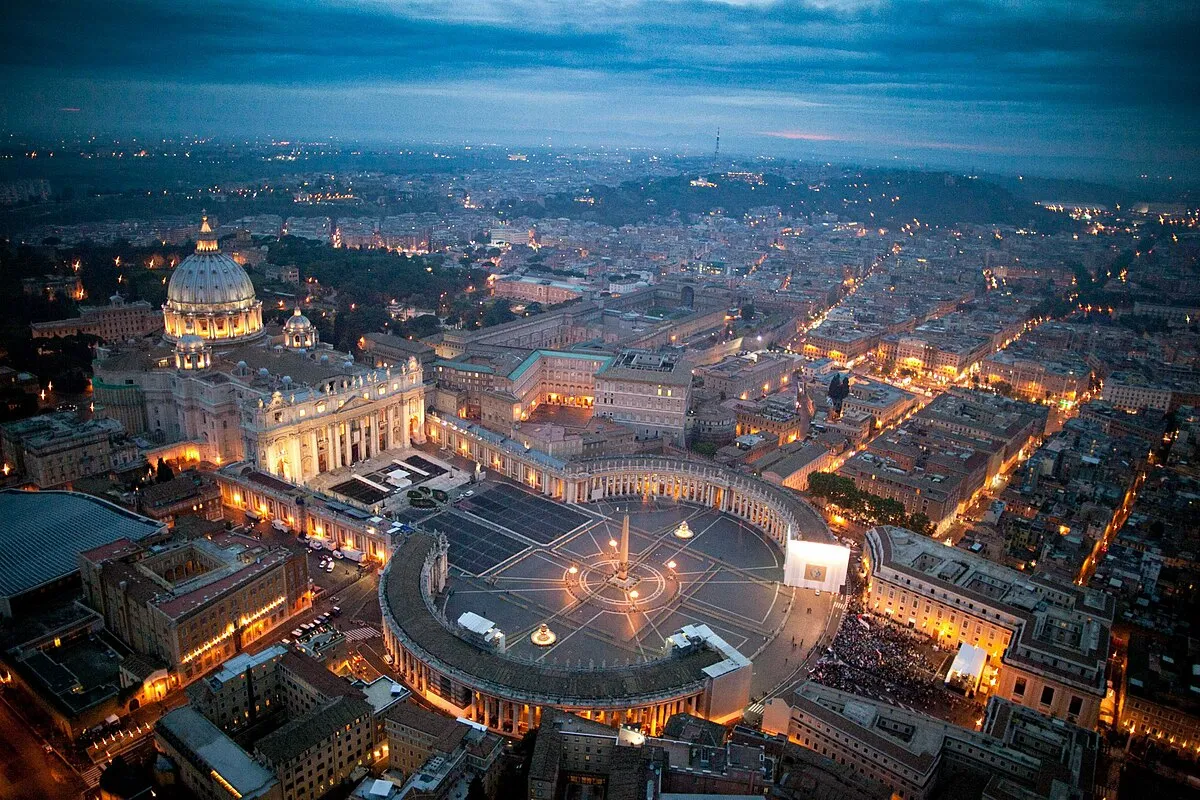
The Vatican’s role in global diplomacy has always differed from that of nation states. Rather than projecting power through economic or military means, the Holy See operates through moral authority, continuity, and long term relationships. In the period following the papal succession, diplomatic engagement has entered a quieter but deliberate phase. Under the leadership of Pope Leo XIV, Vatican diplomacy is gradually re engaging with key global powers in a way that emphasizes stability over visibility.
This renewed engagement is not marked by high profile announcements or public initiatives. Instead, it reflects a strategic return to careful dialogue, behind the scenes communication, and consistent presence. For the Vatican, diplomacy is less about reacting to immediate crises and more about maintaining channels that can endure political cycles. This approach aligns with the broader tone of the new pontificate, which favors restraint, clarity, and institutional steadiness.
Vatican Diplomacy as a Tool of Long Term Stability
At the center of the Vatican’s diplomatic re engagement is a focus on continuity. The Holy See views diplomacy as a long horizon endeavor where trust is built over decades rather than moments. By quietly renewing dialogue with major global powers, the Vatican reinforces its role as a consistent moral interlocutor rather than a political actor.
This approach allows the Vatican to remain engaged without becoming entangled in shifting alliances. Diplomatic conversations are framed around shared concerns such as peace, human dignity, migration, and religious freedom. By grounding engagement in these themes, the Vatican preserves its independence while remaining relevant in global discussions.
A Shift Away From Public Signaling
One notable aspect of this diplomatic phase is the reduced emphasis on public signaling. Instead of issuing frequent statements or hosting visible summits, Vatican diplomacy is operating through established channels. Meetings, correspondence, and consultations are taking place with minimal publicity.
This quieter posture reflects an understanding that effective diplomacy does not always benefit from visibility. In some contexts, discretion strengthens credibility. By engaging without spectacle, the Vatican allows dialogue to progress without external pressure, preserving space for honest exchange and mutual understanding.
Re Engaging Major Powers Without Alignment
The Vatican’s diplomatic strategy avoids alignment with specific political blocs. Re engagement with major global powers does not imply endorsement of policies or systems. Instead, it reflects the Holy See’s commitment to maintaining open lines of communication across ideological divides.
This balanced approach enables the Vatican to act as a bridge rather than a participant in geopolitical competition. By engaging with diverse actors, the Holy See retains its capacity to mediate, advocate, and speak on moral issues without being perceived as partisan. This neutrality is central to the Vatican’s diplomatic credibility.
The Role of the Papacy in Shaping Diplomatic Tone
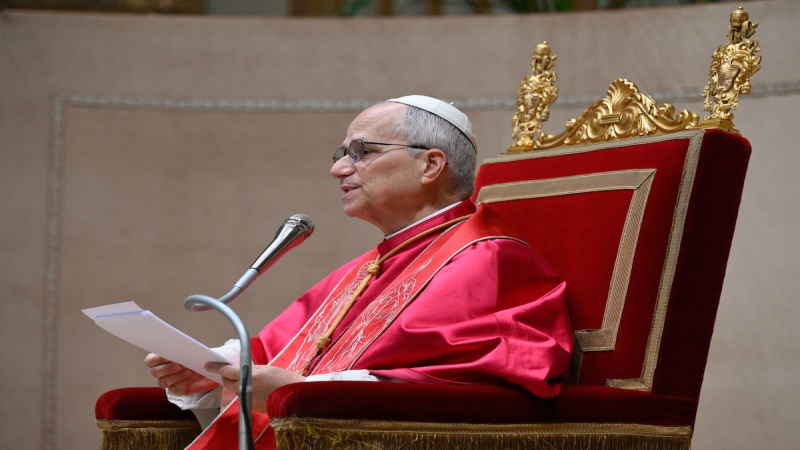
While Vatican diplomacy is institutional, the tone of the papacy influences its direction. Pope Leo XIV’s emphasis on doctrinal clarity and measured communication sets the framework within which diplomatic engagement occurs. The Pope’s restrained public posture supports a diplomatic style that values substance over performance.
This alignment between papal leadership and diplomatic practice reinforces coherence within the Vatican. Diplomats operate within a clear moral and theological framework while adapting to the realities of international relations. The result is a diplomacy that is consistent, patient, and focused on long term outcomes rather than immediate results.
Conclusion
The Vatican’s quiet re engagement with key global powers reflects a deliberate return to its traditional diplomatic strengths. Under Pope Leo XIV, the Holy See is prioritizing continuity, discretion, and moral consistency over visibility. By maintaining open channels without political alignment, Vatican diplomacy preserves its unique role as a global moral voice. This measured approach ensures that the Vatican remains engaged, credible, and prepared to contribute to dialogue in an increasingly fragmented international landscape.