

Why Younger Catholics Express Faith Differently Than Previous Generations

Younger Catholics are often described as distant from traditional religious practice, yet this description oversimplifies a more complex reality. While participation patterns have changed, faith has not disappeared among younger generations. Instead, it is often expressed in ways that differ from those of their parents and grandparents.
Cultural shifts, digital communication, and new social expectations have shaped how younger Catholics relate to belief and community. Their expressions of faith are influenced by personal experience and authenticity rather than inherited habit. Understanding these differences helps clarify how faith continues to evolve within the Church.
A Shift From Inherited Practice to Personal Meaning
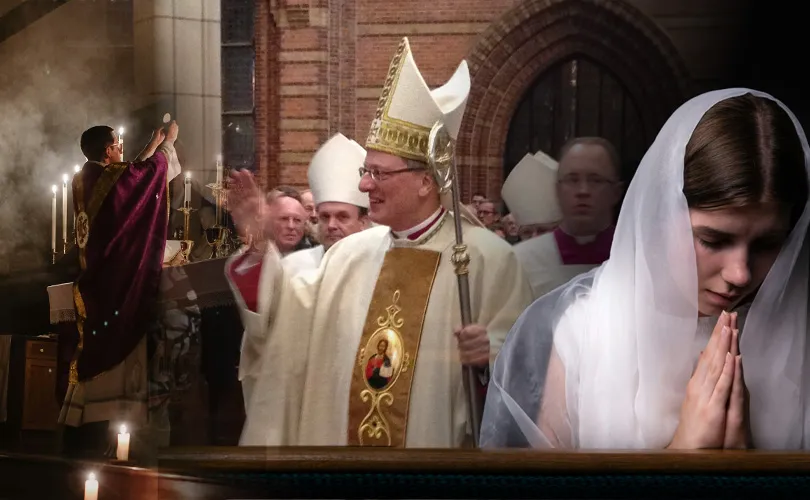
Previous generations often inherited faith through family tradition and communal expectation. Attendance and participation were reinforced by shared cultural norms. Younger Catholics are more likely to approach faith as a personal choice shaped by individual conviction.
This shift does not signal rejection but discernment. Younger Catholics tend to seek meaning that connects belief with lived experience. Faith becomes something embraced intentionally rather than assumed automatically.
As a result, expressions of faith may appear less uniform. Personal prayer, reflection, and selective participation often replace routine observance. This reflects a desire for authenticity rather than disengagement.
Community in New Forms
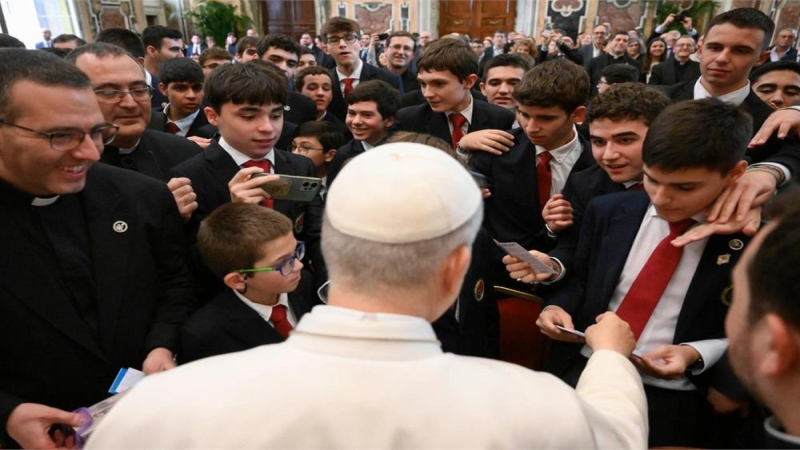
While traditional parish life remains important, younger Catholics often seek community in different ways. Small groups, service projects, and faith based discussions provide spaces for connection. These settings allow faith to be shared relationally rather than institutionally.
Digital platforms also play a role in shaping community. Online discussions, shared resources, and virtual prayer spaces extend faith beyond physical boundaries. For younger Catholics, connection is not limited by geography.
These new forms of community challenge assumptions about belonging. Faith remains communal, but its structures are more flexible and responsive to contemporary life.
Faith and Social Responsibility
Younger Catholics often express faith through action. Issues such as justice, service, and care for others are central to how belief is lived. Faith is measured not only by belief but by impact.
This emphasis reflects a desire to integrate moral teaching with daily life. Younger Catholics seek coherence between what the Church teaches and how it responds to social realities. Service becomes a visible expression of belief.
Such engagement does not replace doctrine but reflects it in practice. Faith becomes embodied through responsibility and compassion rather than confined to formal settings.
Questioning as Part of Belief
Questioning plays a larger role in how younger Catholics engage faith. Doubt is not necessarily seen as opposition but as part of growth. This openness reflects a culture that values exploration and dialogue.
Rather than accepting answers without reflection, younger Catholics often seek understanding. They engage faith intellectually and emotionally, balancing tradition with inquiry.
This approach challenges the Church to communicate clearly and patiently. When questioning is met with engagement rather than dismissal, faith deepens rather than weakens.
Conclusion
Younger Catholics express faith differently because they live in a different cultural and social context. Their approach emphasizes authenticity, community, action, and reflection. These differences do not signal decline but transformation. Faith remains present, shaped by intentional choice and lived experience across generations.