


Young Catholics Turn to Lectio Divina as Prayer Movement Spreads Across Continents
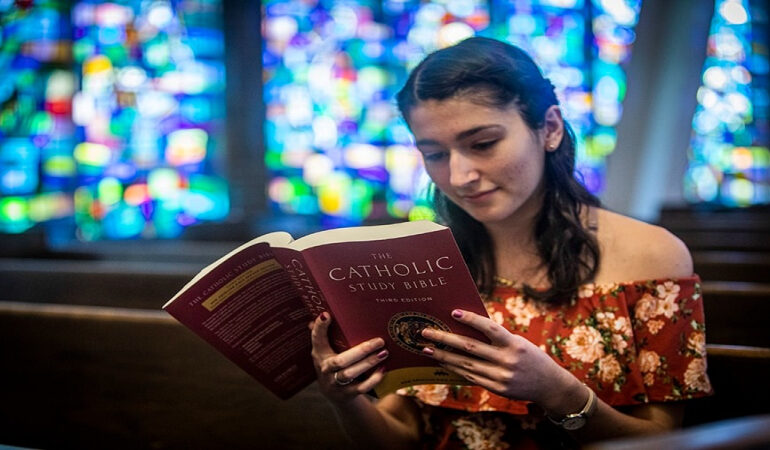

A growing number of young Catholics worldwide are returning to Lectio Divina, an ancient form of meditative Scripture reading that invites participants to reflect slowly and prayerfully on biblical texts. This renewed interest reflects a broader search for spiritual depth in an era defined by rapid communication, complex information flows, and increased digital engagement. Many young adults report that the practice provides structure, clarity, and a sense of inner stability amid the pressures of contemporary life.
The rise of this movement has been observed across parishes, university chaplaincies, retreat centers, and online prayer communities. While the method itself is centuries old, its adoption by younger generations demonstrates how traditional spiritual practices continue to serve as anchors in rapidly changing cultural environments. Church leaders note that the simplicity of Lectio Divina makes it accessible, while its contemplative nature fosters sustained spiritual growth.
The Structured Appeal of Lectio Divina for a Digital Generation
One of the strongest patterns emerging from recent studies is that young Catholics value structured prayer formats that balance discipline with personal reflection. Lectio Divina offers a clear sequence of steps: reading, meditation, prayer, and contemplation. These stages encourage participants to slow down and engage with Scripture intentionally. For many young adults who navigate constant digital inputs, the method provides an effective counterbalance to fragmented attention and hurried communication.
Pastoral teams across several continents have reported increased attendance at Lectio Divina gatherings. Some universities have integrated weekly sessions into campus ministry programs, noting that students appreciate practices that encourage focus and reduce stress. The appeal is not rooted in novelty but in the consistency of a method that supports both personal and communal prayer.
Data from Catholic youth organizations and parish participation reports show that small-group Lectio Divina sessions are often more successful when they include a guided introduction to the text. Young adults benefit from a brief contextual explanation before entering the reflective stages. This structured approach helps individuals connect biblical themes with daily experiences in an informed and meaningful way.
Online Communities and Global Accessibility
Digital platforms have played a role in expanding the reach of Lectio Divina. Many young Catholics participate through livestreamed prayer sessions, mobile applications, or online communities dedicated to spiritual formation. Although digital formats cannot replace in-person gathering, they create opportunities for participation in regions where resources or local programs are limited.
Activity on online prayer forums indicates that participants value both anonymity and accessibility. Users often remark that digital Lectio Divina sessions help them maintain a regular prayer rhythm, especially during periods of travel, study, or work. Pastoral workers who facilitate these sessions note that digital participation frequently leads to in-person engagement once individuals become more comfortable with the practice.
The growing online presence of Lectio Divina also demonstrates how traditional prayer can adapt to modern communication without altering its theological foundations. While the practice remains rooted in Scripture and contemplative tradition, digital tools support access and coordination across time zones and continents.
Integration Into Parish and Diocesan Formation Programs
In response to its growing popularity, many dioceses have begun integrating Lectio Divina into catechetical and adult formation initiatives. Parish bulletins increasingly feature invitations to prayer groups, and retreat centers report higher interest in programs that incorporate contemplative Scripture reading. These developments reflect a recognition that young adults seek formation experiences that combine intellectual engagement with spiritual depth.
Pastors and formation directors highlight that Lectio Divina supports a wider pastoral goal of fostering a reflective mindset among parishioners. When participants regularly engage with Scripture, they develop habits of discernment that influence personal decision making, ethical reflection, and community involvement. This aligns with broader efforts within the Church to strengthen spiritual resilience and reinforce a culture of thoughtful engagement with faith.
The Broader Cultural Context of the Movement
Sociological studies of religious behavior among young adults show increasing interest in practices that offer silence, contemplation, and personal grounding. This trend is not limited to Catholic contexts but appears across religious traditions. The rising popularity of Lectio Divina fits within this larger pattern, demonstrating a desire for contemplative frameworks that provide stability amid social complexity.
For analysts studying Catholic engagement patterns, the movement also offers insights into how spiritual practices intersect with cultural and psychological needs. The data suggest that young adults gravitate toward experiences that allow for self-reflection and mindful participation rather than passive observation. Lectio Divina fulfills these criteria in a way that is both traditional and adaptable.
Conclusion
The growing interest in Lectio Divina among young Catholics reflects a wider search for depth, stability, and meaningful spiritual practice in a rapidly changing world. Through structured reflection on Scripture, digital accessibility, and integration into formation programs, the movement continues to expand across continents. Its growth demonstrates the enduring relevance of contemplative prayer and its ability to support the spiritual lives of new generations.