


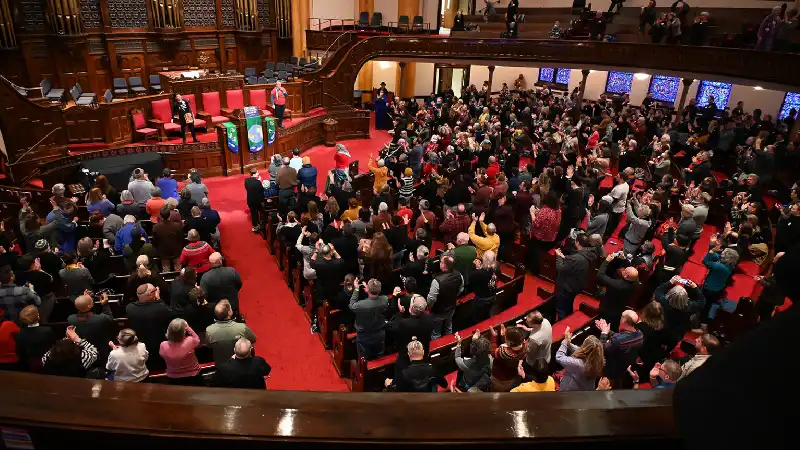


Catholic bishops in Zimbabwe have voiced strong opposition to proposed changes to the country’s abortion legislation, warning that the reforms would fundamentally alter the nation’s moral and legal approach to human life. In a pastoral message read across parishes, Church leaders urged citizens to actively resist the Medical Services Amendment Bill, which seeks to replace long standing restrictions on abortion. The bishops described the proposal as a serious rupture with values that protect life from its earliest stages and called on believers to engage through prayer, public dialogue, and civic responsibility. They argued that expanding abortion access risks normalizing practices they consider incompatible with both Christian teaching and cultural traditions that prioritize the protection of the vulnerable. By addressing the issue during liturgical gatherings, the bishops signaled that the debate is not only political but deeply ethical, touching on the identity and conscience of the nation.
The proposed legislation would significantly broaden the circumstances under which abortion is permitted, allowing the procedure on request during early pregnancy and under wider conditions later on. It would also remove judicial oversight currently required and shift decision making to medical practitioners, while expanding who may provide abortion services. Church leaders expressed alarm that such changes reduce safeguards around unborn life and place excessive emphasis on personal choice without sufficient moral consideration. They warned lawmakers against allowing social pressure, political trends, or external influence to override fundamental principles. In their statement, the bishops drew attention to the contrast between recent national efforts to protect life in other areas and what they see as a reversal in direction. They stressed that legal reform should aim to support mothers and families rather than offering abortion as a solution to social or economic hardship.
The bishops’ intervention has also drawn attention to broader global dynamics surrounding population policy and development. Pro life advocates have suggested that international pressure may be shaping domestic debates in African countries, framing abortion access as a public health or economic necessity. Church leaders, however, insist that such arguments risk overlooking the dignity of unborn life and the deeper causes of maternal suffering. They argue that addressing poverty, healthcare access, and social support would better serve women and families. For the bishops, the current proposal raises questions not only about law but about whose values are guiding national decision making. Their message calls for legislators to reflect carefully on the long term consequences of redefining legal protections for life at its most fragile stage.
Government officials have defended the proposed reforms by pointing to public health data linking unsafe abortions to maternal deaths. While acknowledging the seriousness of these challenges, the bishops reject the idea that liberalizing abortion laws offers a just or humane response. They maintain that protecting life and improving maternal care are not opposing goals but should advance together. The Church has pledged continued engagement in the debate, emphasizing education, advocacy, and support for women facing difficult circumstances. As the bill moves through legislative processes, the bishops’ stance has ensured that ethical and religious perspectives remain central to public discussion. The unfolding debate highlights the tension between policy approaches rooted in health outcomes and those grounded in moral convictions about life, responsibility, and the future of society.