Pope Leo XIV Calls for Ethical Leadership in Politics During Meeting With European Parliament Delegation
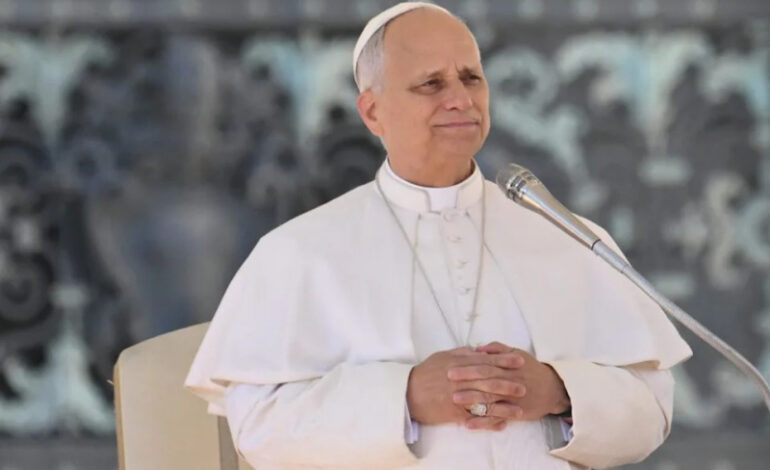

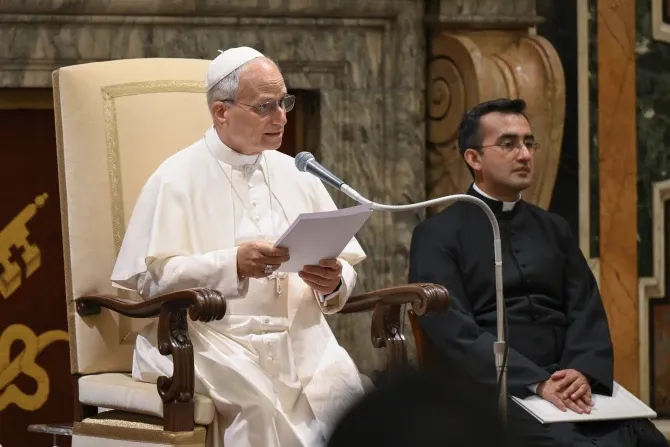
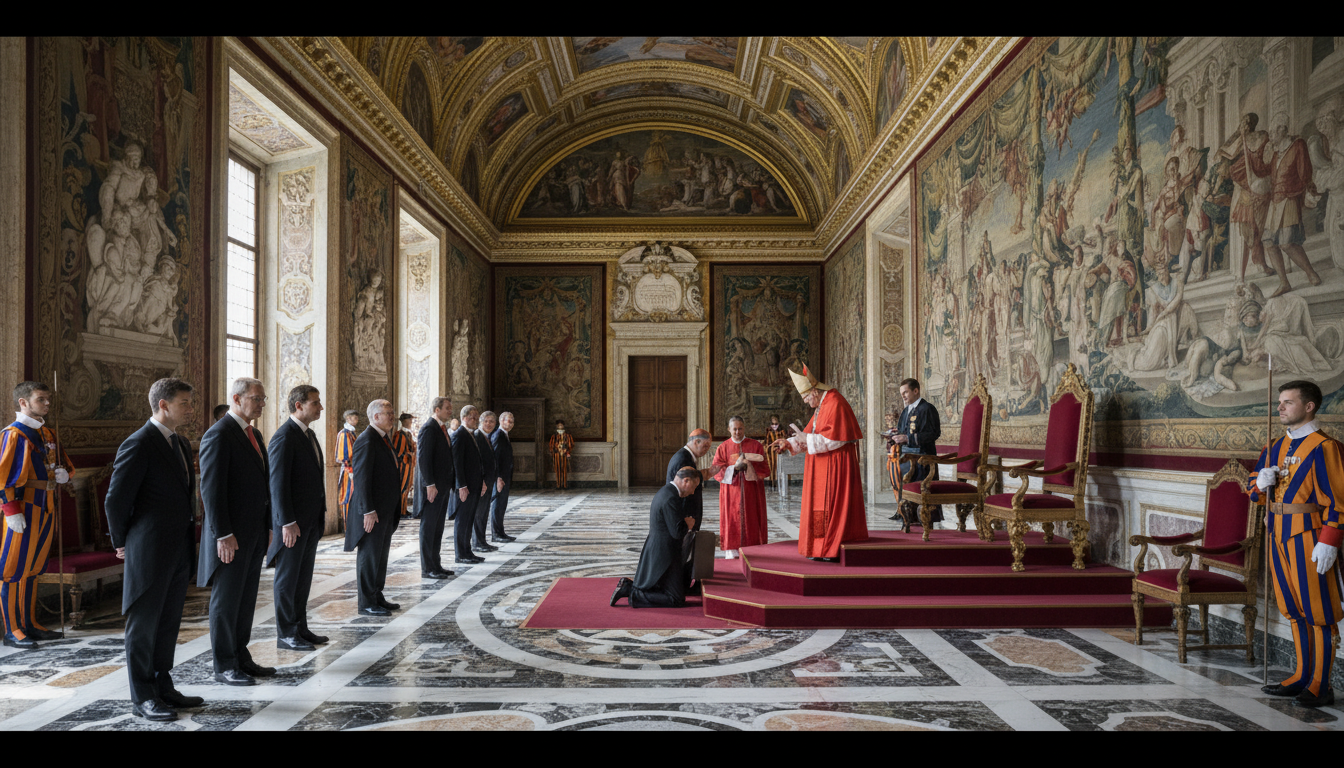
Political leadership across Europe faces mounting pressure from economic uncertainty, migration challenges and geopolitical instability. During a recent meeting with members of a visiting delegation from the European Parliament, Pope Leo XIV emphasized that political authority must remain rooted in ethical responsibility and respect for human dignity. Addressing lawmakers at the Vatican, the Pope encouraged European leaders to pursue policies guided not only by national interest but also by moral accountability and long term social stability. For observers of papal diplomacy, the meeting reflects the Vatican’s ongoing engagement with political institutions shaping the future of Europe.
Political Responsibility and Human Dignity
In his remarks, Pope Leo XIV highlighted the ethical dimension of governance. Political decisions, he noted, influence the daily lives of millions of citizens through legislation affecting employment, migration, social welfare and security. According to summaries published through Vatican News, the Pope urged policymakers to consider the human consequences of policy choices. Political authority should serve the common good rather than narrow interests or short term electoral calculations. Ethical leadership, he explained, requires courage to protect vulnerable communities and promote justice even when political consensus is difficult to achieve.
Europe’s Social and Economic Challenges
The meeting occurred at a moment when Europe continues to confront complex economic and social transitions. Inflation pressures, energy security concerns and demographic changes have created new policy dilemmas for governments across the continent. Pope Leo XIV acknowledged these challenges but warned that economic debates must not overshadow the dignity of the human person. Social cohesion, he argued, depends on policies that protect family life, encourage employment opportunities and support responsible migration governance. The Pope’s remarks suggested that economic stability and ethical governance are closely connected rather than competing priorities.
The Vatican’s Diplomatic Engagement
The diplomatic role of the Holy See extends beyond traditional bilateral relations. The Vatican frequently engages with international institutions to address issues affecting global society, including peacebuilding, environmental responsibility and social justice. Meetings with parliamentary delegations offer opportunities for dialogue between religious leadership and political decision makers. Pope Leo XIV used this encounter to encourage collaboration between European institutions and civil society organizations. Such cooperation, he suggested, strengthens democratic legitimacy and helps ensure that legislation reflects both practical realities and ethical reflection.
Ethical Governance in a Polarized Era
Modern political environments often experience strong ideological polarization. Debates surrounding migration policy, economic reform and national identity can divide societies and complicate legislative compromise. Pope Leo XIV cautioned that ethical leadership requires patience and willingness to engage respectfully with differing perspectives. Political discourse should avoid language that dehumanizes opponents or marginalizes minority communities. By encouraging dialogue grounded in respect, the Pope framed ethical governance as a pathway toward rebuilding public trust in political institutions.
Moral Guidance and Public Policy
While the Vatican does not dictate political programs, it contributes moral guidance rooted in Catholic social teaching. Principles such as solidarity, subsidiarity and the common good provide ethical frameworks that can inform public debate. Pope Leo XIV reminded the delegation that policy discussions benefit when moral reflection accompanies technical expertise. Ethical leadership therefore requires balancing pragmatic governance with a deeper commitment to justice and human dignity.
Conclusion
Pope Leo XIV’s meeting with European Parliament representatives highlighted the Vatican’s call for ethical leadership in contemporary politics. By emphasizing human dignity, social responsibility and respectful dialogue, the Pope reaffirmed the Church’s role as a moral voice encouraging political leaders to pursue policies that strengthen both democratic institutions and the common good.