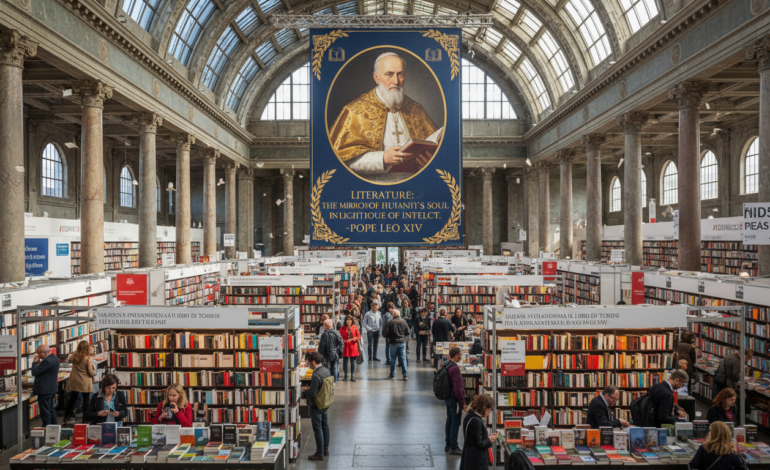

Pope Leo’s Message to the Turin Book Fair
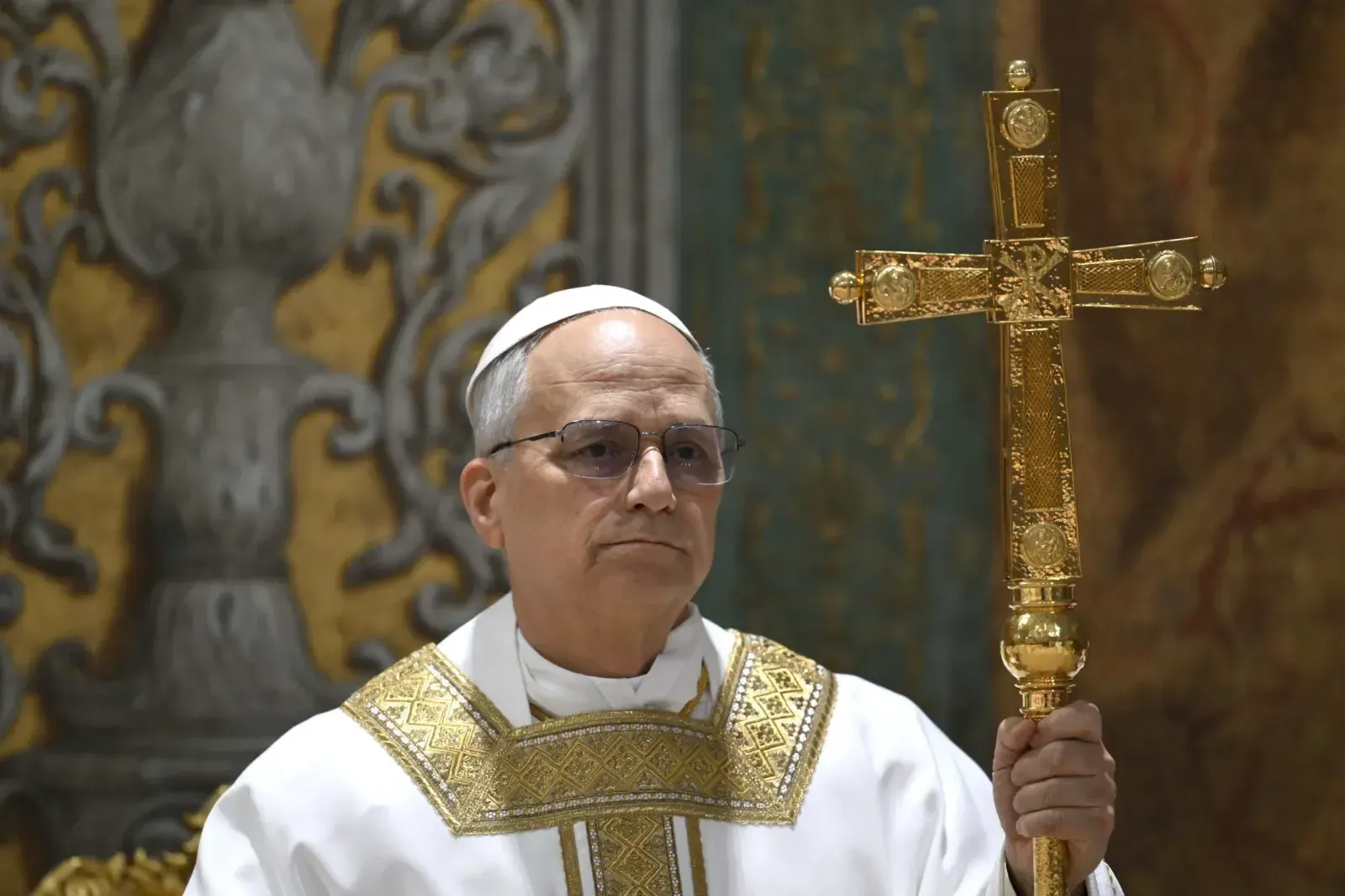
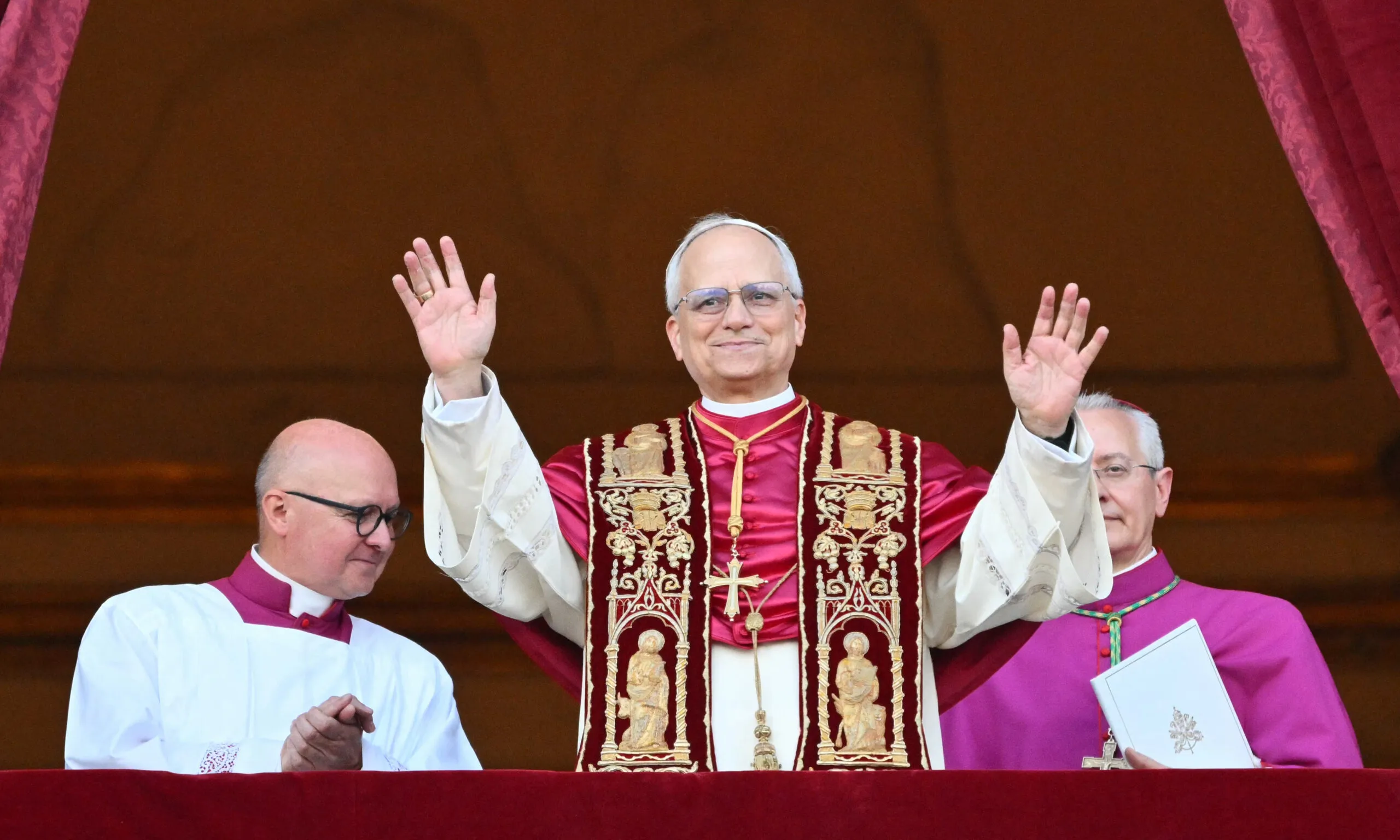
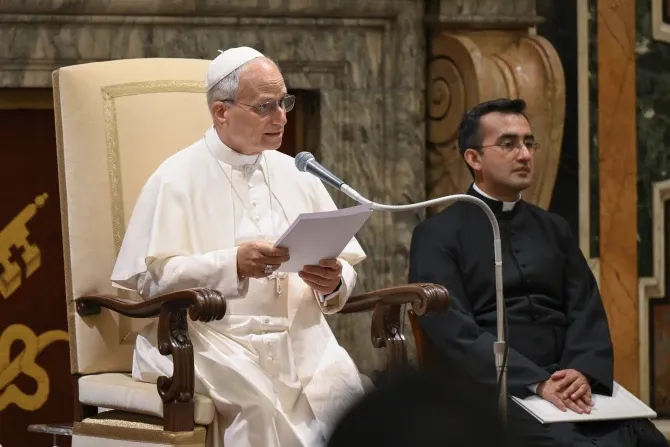
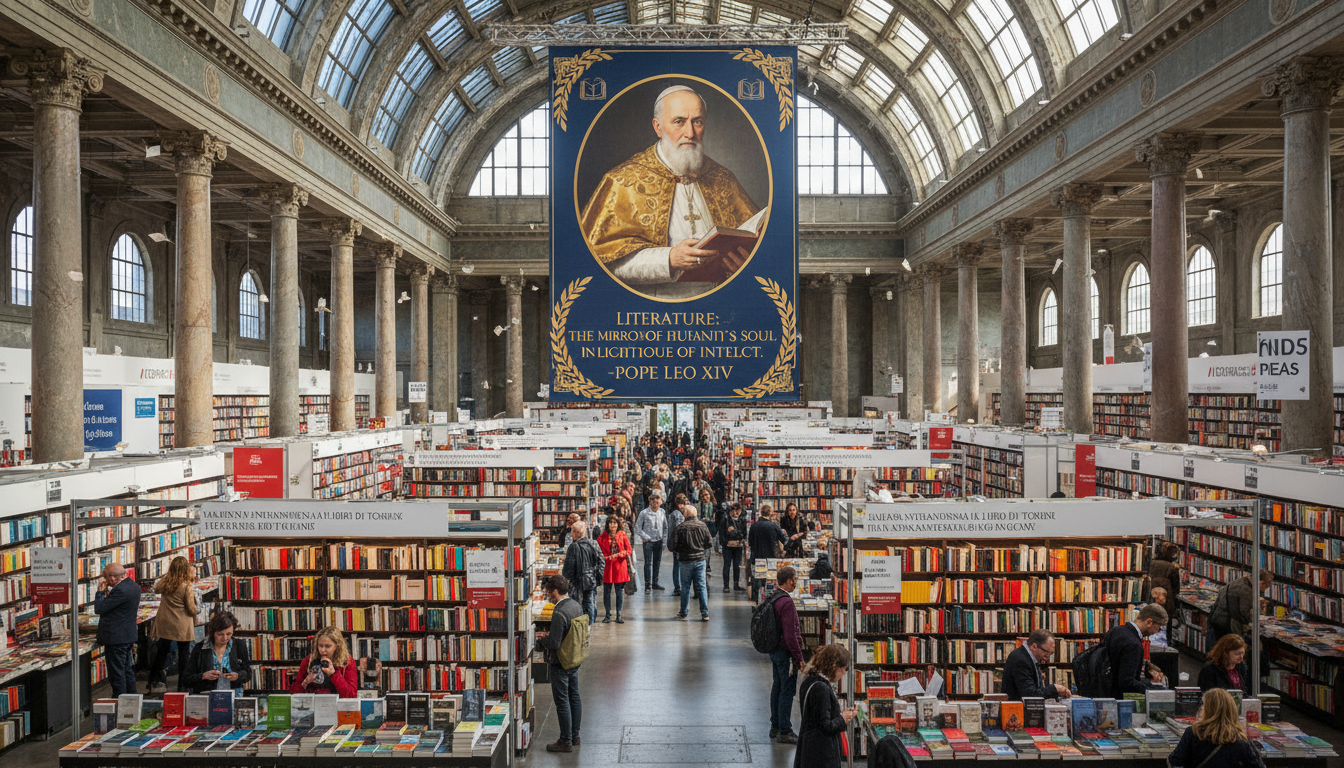
In a message addressed to the Turin Book Fair, Pope Leo XIV urged publishers, authors, educators and readers to treat books as instruments that can lower hostility and widen moral imagination. The Vatican framed the intervention as part of the Pope’s broader public push for dialogue across cultures, even as conflict coverage continues to dominate headlines Today. In the middle of the address, Pope Leo XIV and literature were linked as a practical civic resource, not a ceremonial theme. The Pope’s words focused on reading that trains empathy and attention to the other person, especially where political language hardens. Organizers in Turin circulated the text widely as a Live reference point for discussions on culture and responsibility.
The Role of Literature in Promoting Peace
Vatican News published the full text under the headline “Pope Leo: Literature must be a ‘school of fraternity and peace’,” presenting the statement as an Update for cultural institutions navigating polarization. The article explains that the Pope wants literature to move readers beyond slogans, so they can recognize suffering without reducing people to categories. For context on how the Vatican is tying education to peace messaging, readers can consult Vatican News on the Pope’s Turin Book Fair message as debates continued at the Turin Book Fair. Midway through ongoing debates at the Turin Book Fair, Pope Leo XIV and literature were presented as a shared vocabulary for peace-building that remains accessible even when diplomacy stalls. The Pope’s emphasis stayed practical, urging reading that forms conscience and restraint.
Fraternity and Human Dignity Through Books
The Pope’s appeal also pressed the idea that fraternity is learned through sustained encounters with real voices on the page, including voices that unsettle comfortable assumptions. He warned, as summarized by Vatican News, that reducing life to quick impressions can corrode human dignity, a concern editors and librarians echoed in Turin during Live programming and panels. A parallel debate about how institutions handle information systems and public trust appeared in NFTs and Digital Ownership: A New Internet Era, which Turin attendees cited when discussing provenance, authorship and responsibility. Cultural organizers tracking audience habits see this as an Update that connects pastoral language with measurable civic outcomes, such as whether communities can still speak across difference without contempt. The Pope’s point remained that careful reading makes room for the other person, not just the self.
Children as Symbols of Hope in Conflict
Alongside the Turin emphasis, Vatican coverage has recently highlighted children as a moral signal in war zones, insisting that their voices should not be treated as background noise. Vatican News described this sensibility in a feature on youth expression and the pursuit of peace, showing how creative work can carry witness without propaganda and how adults can listen without patronizing. In the center of the broader narrative, Pope Leo XIV and literature intersect with the way children communicate meaning through stories, images and shared classroom reading even when daily life is unstable. For additional detail, see How Kids Roll, Vatican News on children and peace as the Turin Book Fair discussions treated these examples as a Live reminder that culture can defend the smallest against indifference. The Turin Book Fair discussions treated these examples as a Live reminder that culture can defend the smallest against indifference.
Steps Forward for Literature and Peace
In Rome and Turin, the practical question has become how cultural actors turn a papal text into sustained habits, without reducing it to a one-week theme. Participants described an Update agenda that prioritizes translation, local reading groups and partnerships between schools and municipal libraries, so that peace language is anchored in daily practice rather than slogans. Commentators also connected the Pope’s approach to his wider insistence that the Church confronts injustice, a line developed in Pope Leo XIV urges Church to confront injustice as Vatican leaders weigh concrete pastoral priorities. Today, organizers at the Turin Book Fair are treating the message as a working document that can guide programming, author invitations and youth literacy efforts. The emphasis is that books can train fraternity by forming attention, patience and moral clarity.