
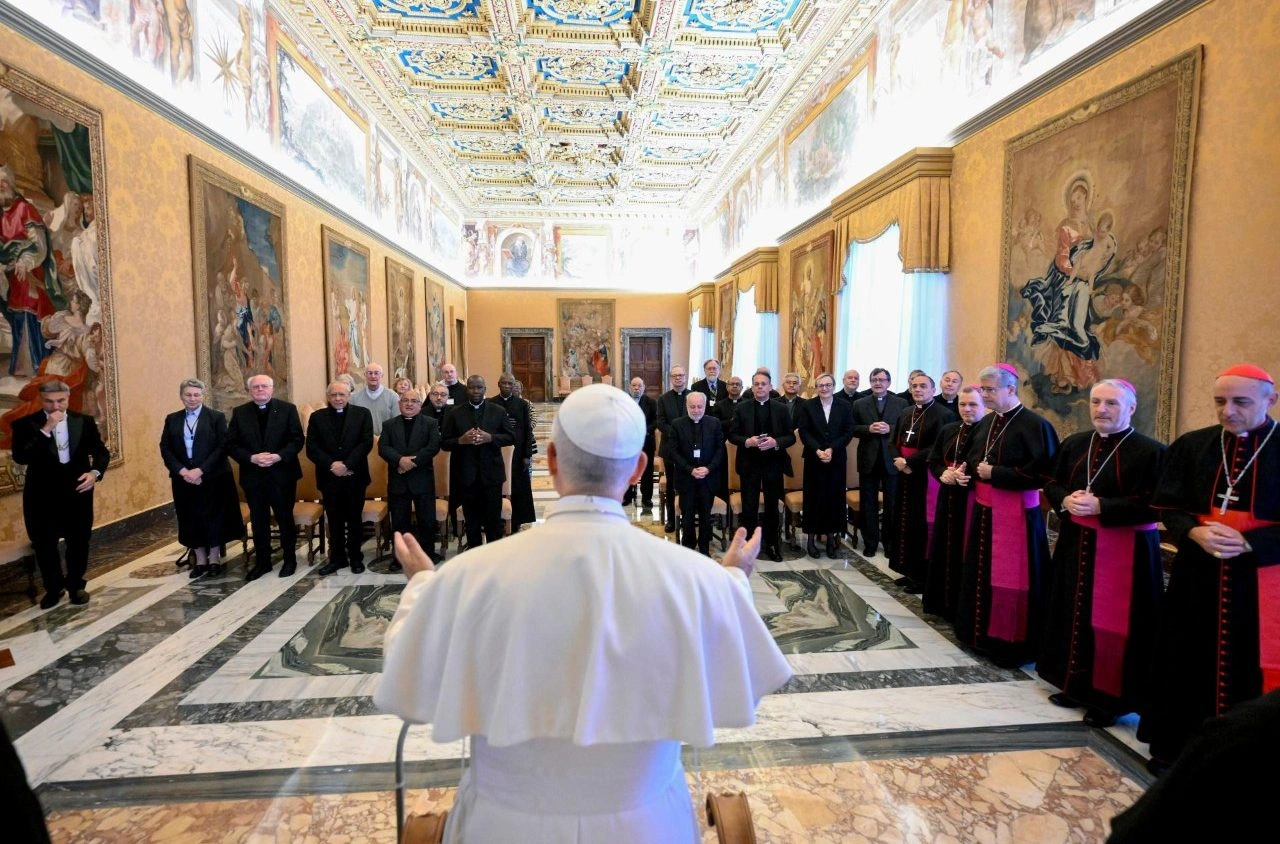
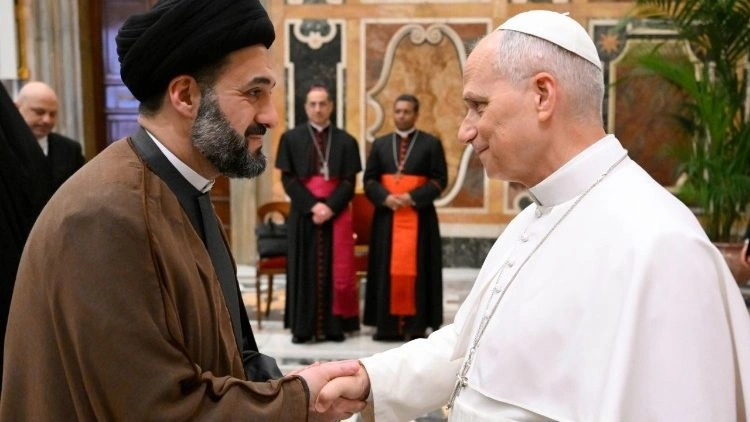
Pope Leo XIV Urges Immediate Peace Dialogue as Global Conflicts Remain Prolonged
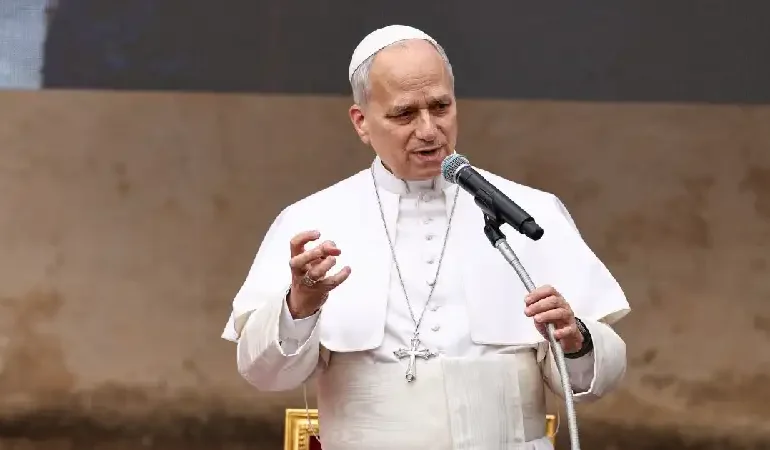

Global conflicts have entered a prolonged phase in 2026, raising concerns about humanitarian impact and long term geopolitical stability. In this context, Pope Leo XIV has called for immediate peace dialogue, emphasizing the urgency of diplomatic engagement over continued confrontation. The Pope’s remarks reflect the Vatican’s consistent position that sustainable peace requires negotiation, mutual understanding and commitment to human dignity. As conflicts extend across multiple regions, the risk of deeper social and economic disruption increases. The call for dialogue highlights the need for renewed international efforts to address conflict through peaceful and structured diplomatic channels.
The Urgency of Diplomatic Engagement
Diplomatic engagement remains one of the most effective tools for resolving complex conflicts. Pope Leo XIV stressed that dialogue provides an opportunity for opposing parties to address grievances without further escalation. When conflicts persist without negotiation, the human cost continues to rise and political solutions become more difficult to achieve. Immediate dialogue can help create pathways toward ceasefires and long term agreements. The Pope encouraged leaders to prioritize communication and compromise, recognizing that peace processes often require patience and sustained commitment. Diplomatic engagement therefore plays a critical role in reducing tensions and building stability.
Humanitarian Impact of Prolonged Conflict
Prolonged conflicts have severe consequences for civilian populations. Communities affected by war often experience displacement, loss of infrastructure and limited access to essential services such as healthcare and education. Pope Leo XIV highlighted that the humanitarian dimension of conflict must remain central to any peace effort. Addressing immediate needs through aid and relief programs can help reduce suffering while supporting long term recovery. The longer conflicts continue, the greater the risk of lasting social and economic damage. The Pope’s appeal emphasizes that protecting human dignity must guide all decisions related to conflict resolution.
Peace as a Foundation for Stability
Peace is not only a moral objective but also a foundation for social and economic stability. When conflicts persist, economic systems weaken and opportunities for development diminish. Pope Leo XIV noted that peace enables communities to rebuild institutions, restore economic activity and improve living conditions. Without stability, investment in education, infrastructure and healthcare becomes difficult. The Pope’s message connects the pursuit of peace with broader goals of development and social cohesion. Sustainable peace therefore supports both immediate humanitarian needs and long term progress.
The Role of International Cooperation
Resolving global conflicts requires cooperation among governments, international organizations and civil society. Pope Leo XIV emphasized that no single nation can address complex conflicts alone. Collaborative efforts are necessary to facilitate negotiations and support peacebuilding initiatives. International cooperation also helps ensure that agreements are respected and implemented effectively. By encouraging collective responsibility, the Pope highlighted the importance of unity in addressing global challenges. Cooperation strengthens the possibility of achieving lasting peace and reducing future conflict risks.
Moral Responsibility of Leadership
Political leaders play a decisive role in shaping the direction of conflicts and peace processes. Pope Leo XIV emphasized that leadership requires moral responsibility and a commitment to protecting human life. Decisions that prolong conflict can have lasting consequences for entire societies. Ethical leadership involves recognizing the value of dialogue and seeking solutions that promote reconciliation. The Pope’s appeal serves as a reminder that peace is not only a political objective but also a moral obligation. Leaders are therefore called to act with responsibility and foresight in pursuing peaceful outcomes.
Conclusion
Pope Leo XIV’s call for immediate peace dialogue highlights the importance of diplomacy, humanitarian concern and ethical leadership in resolving prolonged conflicts. By encouraging international cooperation and renewed negotiation efforts, the Pope reinforces the global responsibility to pursue peace and protect human dignity.