Pope Leo Affirms Church and Science Walk Together to Discover God in Creation
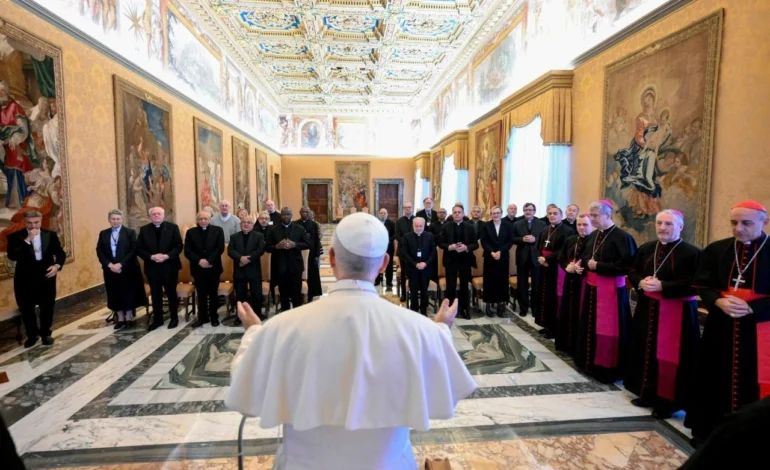

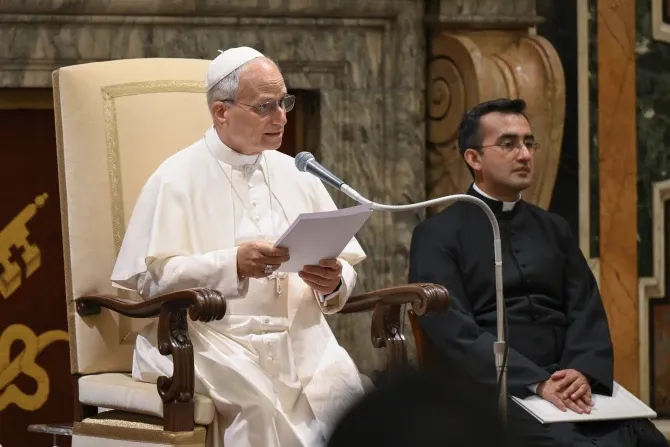
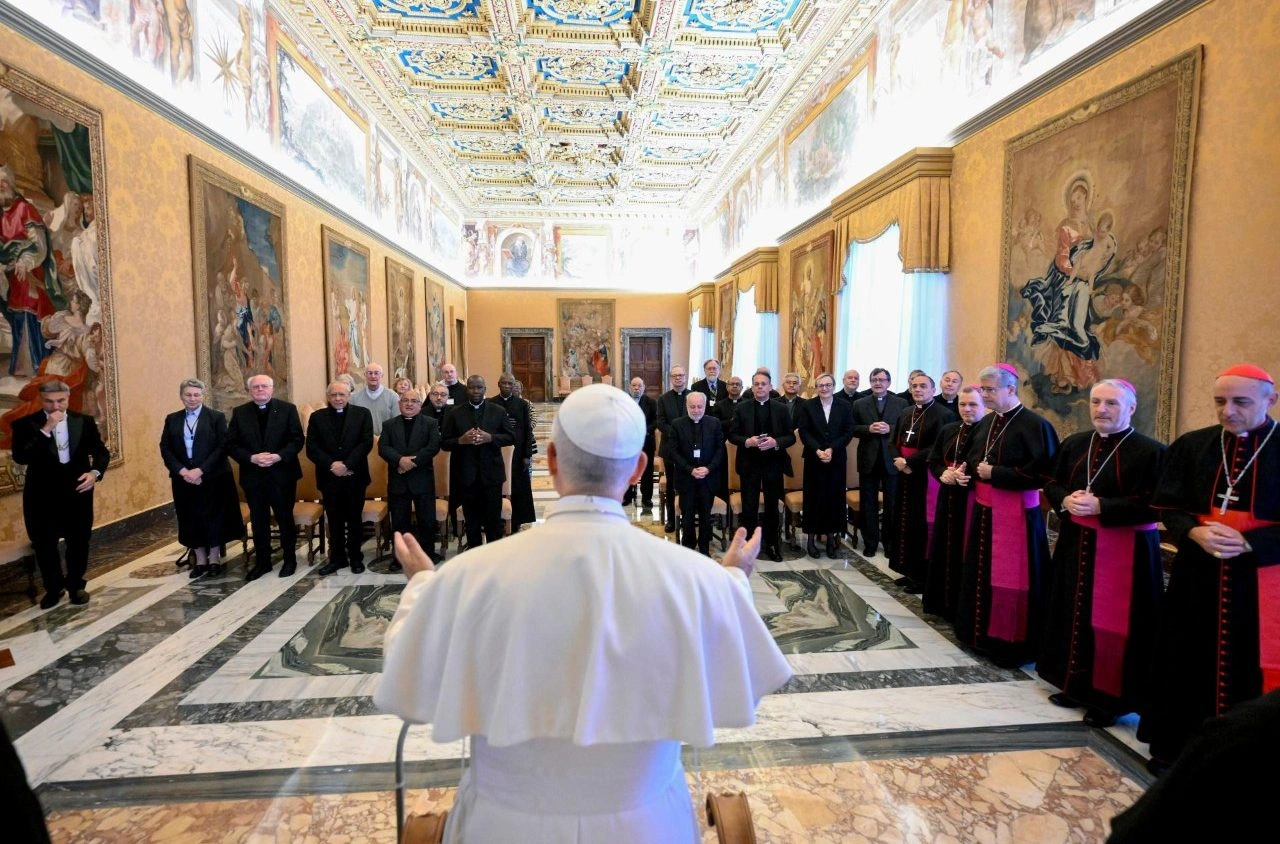
In a reflection that bridges faith, reason and the natural world, Pope Leo has reaffirmed the Catholic Church’s commitment to scientific inquiry, stating that rigorous and honest science is not opposed to belief in God but instead serves as a pathway to better understand His presence in creation. The message was delivered during an audience with the board of the Vatican Observatory Foundation, where the Pope highlighted the deep historical and spiritual relationship between astronomy and the Church’s mission of truth seeking.
The meeting with the Vatican Observatory Foundation provided the backdrop for a broader reflection on the role of science in contemporary society. Pope Leo recalled that the observatory was re established in 1891 under Pope Leo XIII, at a time when scientific discovery was increasingly presented as being in conflict with religious belief. He noted that the decision to strengthen the institution was rooted in the conviction that faith and science are not adversaries but complementary ways of seeking truth.
Pope Leo XIII had previously emphasised that the Church not only accepts scientific inquiry but actively encourages it with full dedication, a principle that continues to shape the Church’s engagement with modern research. Building on this legacy, Pope Leo warned that today’s challenges are not simply about tension between faith and science, but about a deeper crisis in which objective truth itself is being questioned or dismissed. He suggested that both religious teaching and scientific evidence point clearly to humanity’s responsibility in caring for the world and protecting the most vulnerable.
A significant part of the Pope’s address focused on environmental stewardship and moral responsibility. He stressed that scientific understanding of the natural world reinforces the ethical duty to protect creation from exploitation and neglect. Human activity, he noted, has increasingly placed pressure on ecosystems and communities, particularly those already facing vulnerability. In this context, he argued that science and faith together can offer a more complete vision of responsibility, one that recognises both the material and spiritual dimensions of existence.
The Pope also reflected on the spiritual meaning of astronomy, describing the night sky as a shared inheritance accessible to all people regardless of wealth or status. He said that the stars, moon and sun offer a universal source of wonder that can unite humanity in moments of reflection and humility. According to him, contemplating the vastness of the universe helps individuals recognise their own limitations while also opening them to a deeper awareness of divine presence.
He further noted that modern artificial lighting and technological environments have reduced humanity’s connection to the natural visibility of the cosmos, making the work of institutions such as the Vatican Observatory even more significant. Through educational programmes, research initiatives and global collaboration, the observatory continues to provide opportunities for students and scholars to engage with astronomy in ways that inspire both scientific understanding and spiritual reflection.
Concluding his remarks, Pope Leo emphasised that the foundation of Christian belief lies in the Incarnation, where God becomes present within creation itself. He said that this truth invites believers to see the natural world not as separate from faith but as a living expression of divine presence, encouraging a vision of science and spirituality working together in harmony.