Holy See Warns at United Nations That Freedom of Belief Must Be Defended Amid Rising Islamophobia

The Holy See has delivered a strong message at the United Nations, warning that freedom of religion is not optional and must be protected as a foundation of global stability. Speaking at a high level event marking the International Day to Combat Islamophobia in New York, Vatican representatives emphasized that growing intolerance toward religious communities is eroding trust across societies. The statement highlighted that denying this basic freedom creates conditions where fear replaces dialogue and division deepens, ultimately threatening both social cohesion and international peace.
The Vatican delegation welcomed efforts by global institutions to address Islamophobia while stressing that discrimination against Muslims reflects a broader failure to uphold religious freedom for all. The statement noted that hostility is not limited to one faith group but increasingly affects Jews, Christians, and followers of other religions. This pattern, it argued, points to a wider erosion of respect for belief systems, which are essential to maintaining dignity and mutual understanding. The Holy See underlined that religious freedom remains a central pillar of any just and stable society.
Referencing recent remarks by Pope Leo XIV, the statement warned of deeper consequences when belief is suppressed. It noted that individuals are deprived of the ability to freely seek truth and meaning, leading to a gradual weakening of moral and spiritual bonds within communities. Over time, this decline reshapes societies in subtle but significant ways, where trust begins to fade and suspicion grows. The Vatican stressed that such conditions can escalate into broader social tensions, reinforcing cycles of exclusion and instability that are difficult to reverse once established.
The Holy See also pointed to the expanding role of digital platforms in amplifying religious discrimination. It warned that hostile narratives can spread rapidly online, shaping perceptions and reinforcing negative stereotypes. To address this challenge, the Vatican called for stronger educational initiatives focused on digital literacy and critical thinking. These efforts, it said, are essential in helping individuals navigate information responsibly while fostering a culture of respect. The statement emphasized that education must go beyond knowledge and support the development of a deeper sense of responsibility toward others.
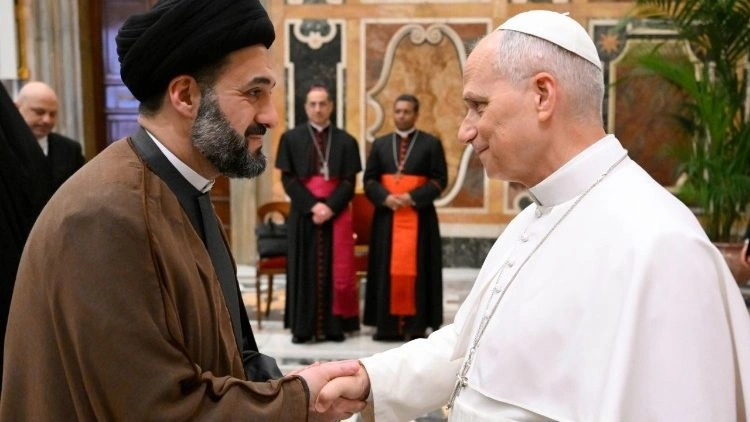
At the same time, the Vatican reaffirmed the importance of genuine interreligious dialogue as a path toward understanding. Drawing again from the teachings of Pope Leo XIV, it described dialogue not as a strategic tool but as a way of life that transforms those who participate in it. The statement highlighted that meaningful engagement between faith communities allows differences to become a source of enrichment rather than division. It also warned against the misuse of religion for political or ideological purposes, stressing that faith should never be exploited in ways that deepen conflict.
The intervention comes amid growing global concern over rising levels of Islamophobia and religious discrimination. Recent data has shown that many Muslims continue to face barriers in employment, housing, and social participation, particularly in parts of Europe. The United Nations event, held annually since 2022, reflects increasing recognition of these challenges and the need for coordinated international responses. This year’s discussions focused on translating commitments into practical action, linking the protection of religious freedom with broader human rights frameworks.
The Holy See’s message signals a continued effort to position religious freedom at the center of global policy discussions. As international institutions examine the social and political impact of discrimination, the Vatican’s intervention highlights the ethical dimension of the issue. The emphasis on dignity, dialogue, and education suggests a long term approach aimed at addressing both immediate tensions and their underlying causes, reinforcing the role of faith based perspectives in shaping a more stable and inclusive global environment.