


Catholic Sisters in Paris Suburb Build Quiet Bridges With Muslim Neighbours Through Prayer and Presence
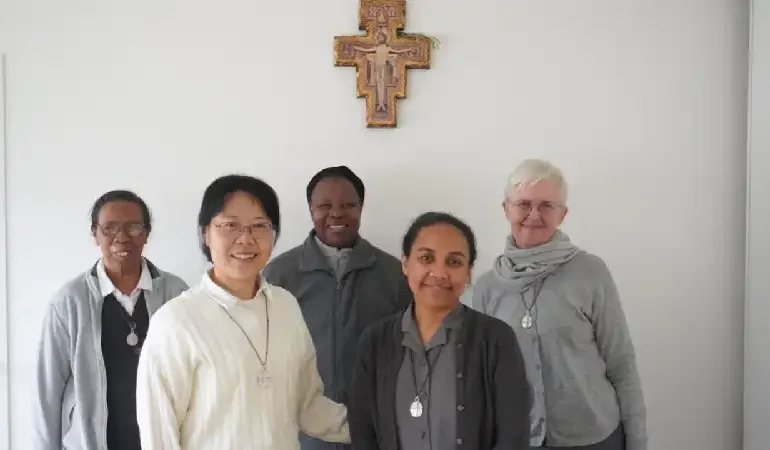

In a diverse suburb on the outskirts of Paris, a small community of Catholic sisters has become a symbol of quiet coexistence and mutual respect among predominantly Muslim residents. Living in Clichy Sous Bois, the Franciscan Missionaries of Mary have spent decades building relationships rooted in simplicity, prayer, and presence. Their mission has not focused on visibility or influence but on remaining close to people in their daily lives. Over time, this approach has earned them a unique place in the neighborhood, where they are widely known as women of prayer who support the community regardless of faith or background.
The sisters first established their presence in the area in the mid 1990s, choosing to live among residents in modest housing conditions. Their early years were marked by both curiosity and hesitation from local youth, reflecting the broader tensions often associated with multicultural suburbs in France. Despite occasional misunderstandings, the sisters remained committed to openness and dialogue. Their willingness to engage with neighbors without judgment gradually built trust. Even when they later moved from their original residence, many Muslim residents expressed sadness, describing the sisters as a source of comfort and protection in a complex social environment.
Beyond their spiritual role, the sisters have been actively involved in community support initiatives. They contributed to youth programs, educational assistance, and social outreach, particularly for families facing economic challenges. One of their early contributions included helping establish a school support program for students from low income households, offering both academic guidance and exposure to broader cultural experiences. These efforts extended their mission beyond prayer into practical solidarity, reinforcing their presence as both spiritual companions and active participants in the life of the neighborhood.
Their daily life has also reflected the realities of living in a socially sensitive environment. Minor tensions and moments of misunderstanding have occurred, yet these have been met with patience and consistency. Over time, acts of solidarity have emerged, especially during moments of crisis. Following a major act of violence in France in 2016, young Muslims from the area visited the local church to express condolences and reaffirm their commitment to peace. Such gestures highlighted a shared desire among residents to move beyond division and foster a sense of coexistence despite differences in belief.
Today, the mission of the community continues through a focus on welcome, listening, and prayer. The sisters are present at a local church and pilgrimage site, where they receive visitors and remain available to those seeking conversation or support. Their role is not defined by large scale programs but by consistent human connection. Local residents often describe their presence as reassuring, noting that even without direct interaction, knowing the sisters are there brings a sense of calm and continuity in an otherwise changing environment.
The experience of the sisters in Clichy Sous Bois reflects broader questions about religious coexistence in modern European societies. In a context where discussions around identity and integration can be sensitive, their approach offers an alternative grounded in relationship rather than debate. By living alongside their neighbors and sharing in the rhythms of everyday life, they have created a space where differences do not lead to division but instead open paths for understanding.
Their presence continues to evolve with the needs of the community, yet the core of their mission remains unchanged. Through prayer, listening, and simple acts of care, they maintain a quiet but meaningful role in a neighborhood shaped by diversity. In a city where multiple cultures and faiths intersect daily, their witness suggests that coexistence is not only possible but can grow through patience, respect, and a shared commitment to living together.