

Zambia Church Leaders Strengthen Mission Strategy at 2026 National Council Meeting
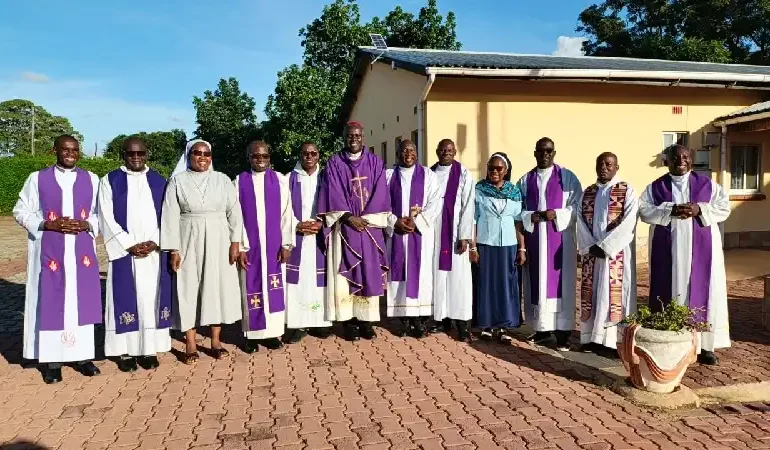

Catholic Church leaders in Zambia have concluded the 2026 National Council Meeting of the Pontifical Mission Societies, bringing together diocesan directors to review progress and strengthen missionary outreach across the country. Held in Lusaka, the gathering focused on reinforcing unity and shared responsibility under the theme of being united in mission. Participants reflected on the current state of missionary work while identifying priorities for the future. The meeting highlighted the Church’s continued commitment to supporting communities through spiritual guidance, outreach programs, and coordinated national efforts.
During the sessions, Bishop Edwin Mulandu, who currently serves as the national director, presented a comprehensive report outlining the activities of the mission office. He emphasized that despite an ongoing leadership transition, the Church has maintained continuity in its mission work. Efforts have remained focused on promoting a strong missionary spirit across all dioceses, ensuring that local Churches remain engaged in both spiritual formation and community service. The report also noted that Zambia continues to actively participate in global mission networks, strengthening its connection with the wider Catholic Church.
A key area of focus discussed at the meeting was the coordination of major liturgical and missionary events that shape the Church’s outreach efforts. These included preparations for World Mission Sunday and other important observances that encourage participation from both clergy and lay communities. Leaders noted that these events have played a significant role in deepening awareness of missionary responsibilities among the faithful. They have also contributed to increased support for shared initiatives, particularly through financial contributions directed toward global solidarity programs managed by the Church.
The council also provided an opportunity for diocesan directors to present updates from their respective regions, offering insight into both achievements and ongoing challenges. Discussions highlighted the diverse realities faced by communities across Zambia, including the need for continued formation, education, and resource allocation. Despite these challenges, participants expressed a strong sense of collaboration and shared purpose. The exchange of experiences allowed leaders to identify practical strategies that can be adapted and implemented across different dioceses.
Beyond formal discussions, the meeting emphasized the importance of spiritual renewal and fraternity among Church leaders. Daily prayer, liturgical celebrations, and shared reflection created a setting that supported both personal and collective growth. This environment encouraged deeper dialogue and strengthened relationships among participants, reinforcing the idea that mission work is rooted not only in planning and coordination but also in spiritual unity. The gathering served as a reminder that effective outreach depends on both organizational structure and a strong foundation of faith.
The outcomes of the meeting are expected to influence the direction of missionary activity in Zambia in the coming year. Leaders expressed confidence that the strategies discussed will enhance the Church’s ability to respond to evolving social and pastoral needs. As the national office prepares for future leadership changes, the emphasis remains on maintaining continuity in mission and ensuring that local communities continue to benefit from coordinated efforts. The meeting underscored a shared commitment to sustaining the Church’s presence and service across the country.