
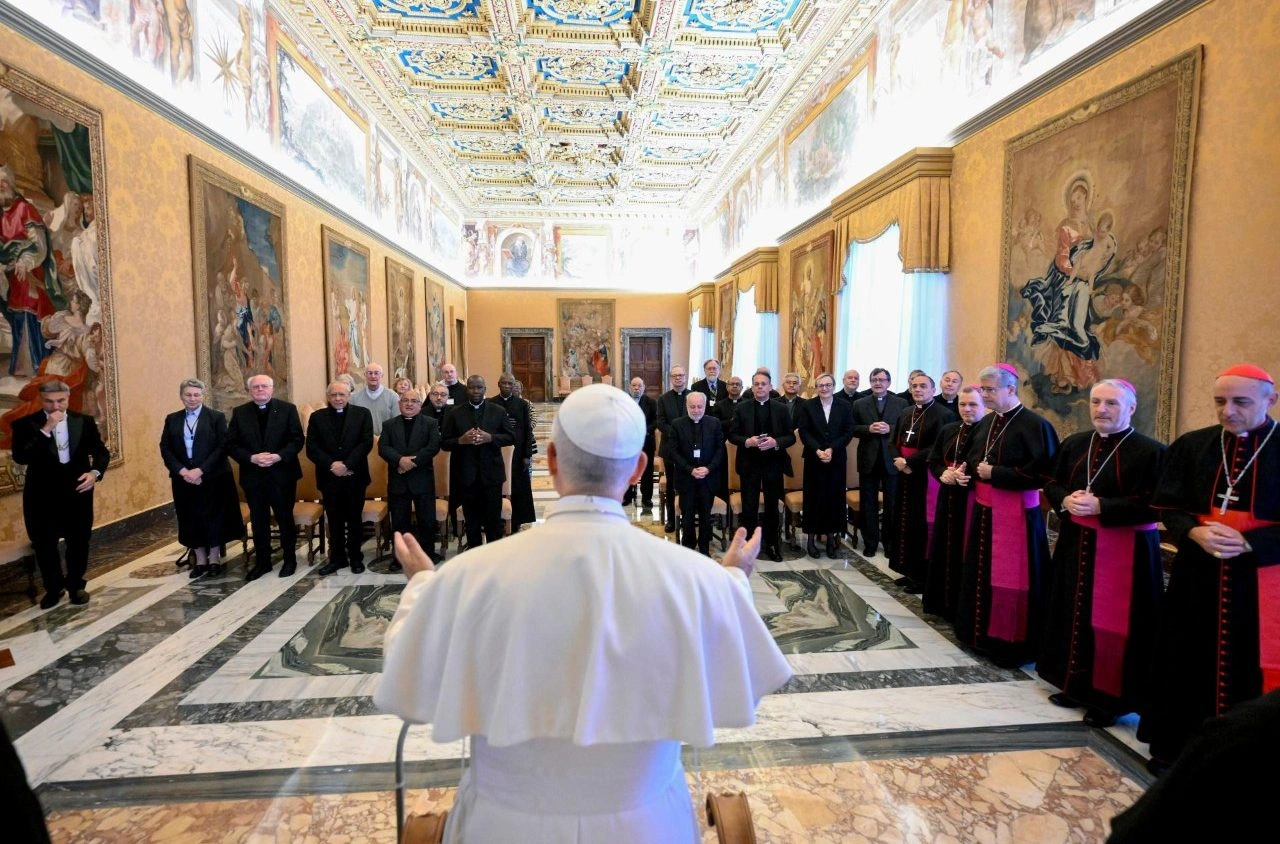
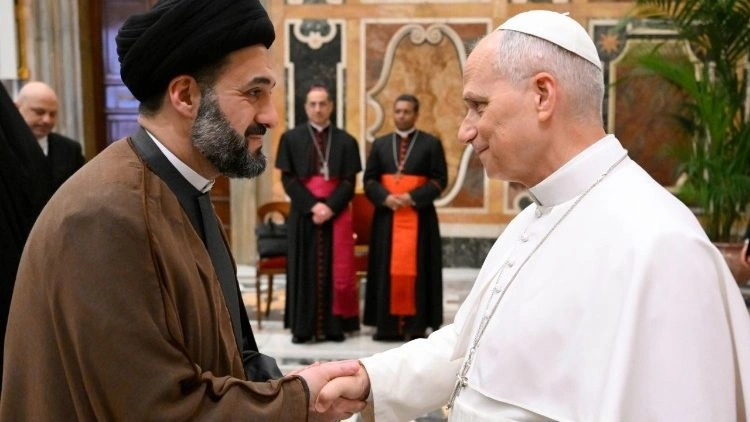
Pope Leo XIV and Palestinian President Discuss Escalating Middle East Crisis and Call for Dialogue
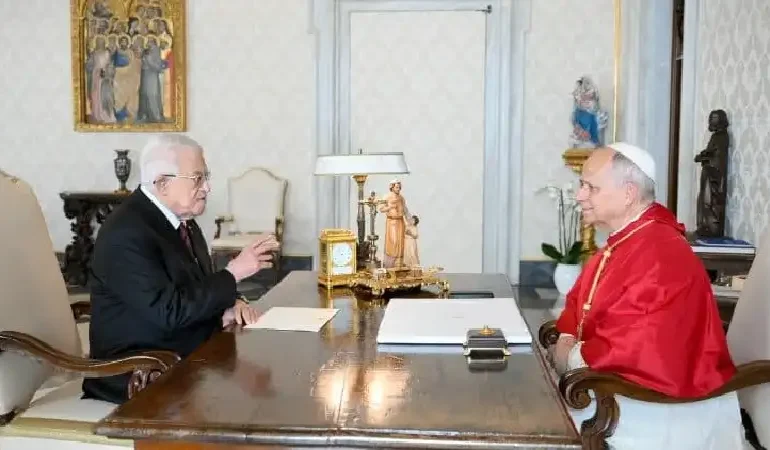

Pope Leo XIV and Palestinian President Mahmoud Abbas have held a phone conversation addressing the worsening situation in the Middle East, with both leaders expressing concern over rising violence and deteriorating humanitarian conditions. The discussion focused on recent developments affecting Palestinian communities as well as the broader regional conflict. The Vatican confirmed that the Pope reiterated the importance of peaceful engagement, emphasizing that dialogue and respect for international law remain essential in resolving the crisis. The exchange reflects growing urgency as the conflict continues to expand across multiple areas in the region.
The conversation comes amid intensified violence, including recent strikes that have resulted in civilian casualties and further displacement. Reports indicate that several incidents over recent days have led to deaths and injuries in both Gaza and the West Bank, with residential areas and public spaces affected. The Pope has previously voiced concern over the impact of such violence on ordinary people, highlighting the suffering of families caught in conflict. The current situation has raised alarm internationally as the scale of destruction and human loss continues to increase.
During the call, Pope Leo XIV reaffirmed the Holy See’s position that lasting peace can only be achieved through political and diplomatic solutions. He emphasized that military escalation cannot deliver stability or justice, urging all parties to return to negotiations. The Vatican has consistently advocated for a framework grounded in international law, viewing it as a necessary foundation for resolving disputes and protecting human dignity. The Pope’s message aligns with his broader calls for restraint and cooperation in addressing conflicts that carry significant humanitarian consequences.
The wider regional context has further complicated the situation, with tensions extending beyond Palestinian territories to include developments involving Iran and Lebanon. Ongoing military actions have contributed to a volatile environment in which multiple actors are engaged, increasing the risk of further escalation. The Pope has expressed concern not only for immediate victims but also for the long term impact on regional stability. He has warned that cycles of violence tend to deepen divisions and make meaningful dialogue more difficult over time.
In recent public appeals, Pope Leo XIV has called for an immediate ceasefire and urged leaders to prioritize the protection of civilians. He has spoken of the need to safeguard essential infrastructure, including schools and hospitals, which have been affected by ongoing hostilities. The Pope has also highlighted the displacement of populations and the challenges faced by those forced to flee their homes. These concerns reflect a broader humanitarian perspective that places the well being of individuals at the center of any peace effort.
The relationship between the Vatican and Palestinian leadership has included ongoing dialogue on issues such as humanitarian assistance and long term political solutions. Previous meetings between the Pope and President Abbas have addressed the need for a structured approach to peace, including the importance of supporting civilian populations and exploring pathways toward coexistence. These discussions have contributed to continued diplomatic engagement between the two sides, even as the situation on the ground remains unstable.
As the crisis evolves, both leaders have signaled the importance of sustained communication and international involvement in seeking solutions. The Vatican’s role has been characterized by moral advocacy and diplomatic outreach, aimed at encouraging peaceful resolution. With tensions still rising, the call for dialogue remains central to efforts aimed at reducing violence and addressing the underlying causes of the conflict. The outcome of such efforts will be closely watched as the region navigates a period of heightened uncertainty.