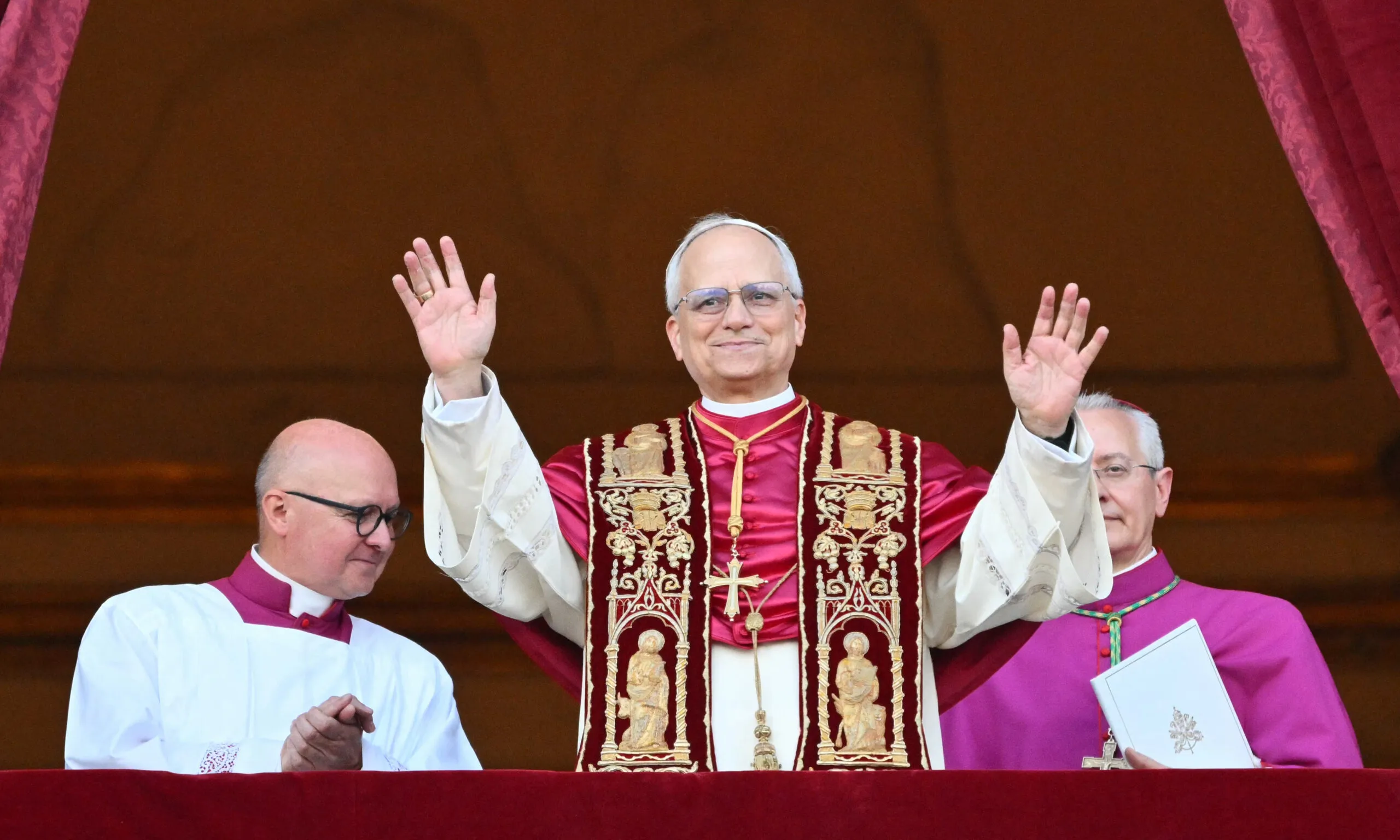




Pope Leo XIV Highlights Risks of Economic Inequality in Address to International Policy Leaders
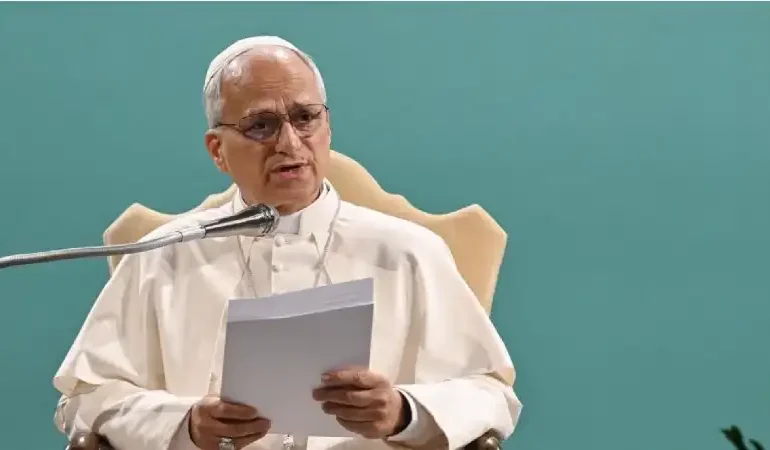

Economic inequality remains a defining challenge in 2026, shaping social stability and global development patterns. In an address to international policy leaders, Pope Leo XIV highlighted the risks associated with widening economic gaps between and within societies. He emphasized that inequality is not only a financial issue but also a structural concern that affects access to opportunity and long term stability. As disparities grow, the risk of social fragmentation increases. The Pope’s remarks reflect a broader concern that economic systems must be evaluated not only by performance but also by their impact on human dignity and social cohesion.
Understanding the Impact of Economic Inequality
Economic inequality influences multiple aspects of society, including access to education, healthcare and employment opportunities. Pope Leo XIV noted that disparities in income and wealth can create barriers that limit social mobility. When individuals lack access to essential resources, their ability to participate fully in economic life is reduced. This can lead to long term structural imbalances within societies. Addressing inequality requires an understanding of its underlying causes, including uneven distribution of opportunities and resources. By focusing on these factors, policymakers can develop more inclusive economic frameworks.
Social Stability and Economic Balance
The relationship between inequality and social stability is a central concern in policy discussions. High levels of inequality can lead to social tension and reduced trust in institutions. Pope Leo XIV emphasized that balanced economic systems are essential for maintaining stability and cohesion. When resources are distributed more equitably, societies are better equipped to manage challenges and sustain growth. Policies that promote fairness can help reduce tension and support long term development. The Pope’s message underscores the importance of integrating social considerations into economic planning.
The Role of Policy in Reducing Disparities
Effective policy frameworks are essential for addressing economic inequality. Governments and institutions play a critical role in designing measures that promote equitable access to resources and opportunities. Pope Leo XIV encouraged policymakers to consider the long term impact of their decisions on different segments of society. Policies that support education, employment and social protection can help reduce disparities. Coordinated efforts across sectors are necessary to achieve meaningful progress. By focusing on inclusive policies, institutions can contribute to more balanced economic systems.
Ethical Considerations in Economic Systems
Economic systems are shaped not only by financial objectives but also by ethical considerations. Pope Leo XIV emphasized that economic activity should respect human dignity and promote fairness. Ethical frameworks can guide decision making and ensure that economic progress benefits a wider population. Without such frameworks, inequality may continue to expand. Integrating ethics into economic planning helps align financial performance with social responsibility. The Pope’s remarks highlight the importance of evaluating economic systems through both practical and moral perspectives.
Encouraging Inclusive Global Development
Global development requires cooperation among nations and institutions to address inequality effectively. Pope Leo XIV noted that disparities between countries can influence migration patterns, economic stability and international relations. Encouraging inclusive development involves supporting initiatives that promote equitable growth across regions. International collaboration can help distribute resources more effectively and support sustainable progress. By focusing on inclusion, the global community can work toward reducing inequality and strengthening economic resilience.
Conclusion
Pope Leo XIV’s address highlights the risks of economic inequality and the need for inclusive policies that promote stability and fairness. By integrating ethical considerations into economic systems, leaders can create balanced frameworks that support both growth and social cohesion.